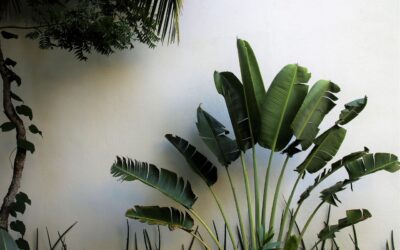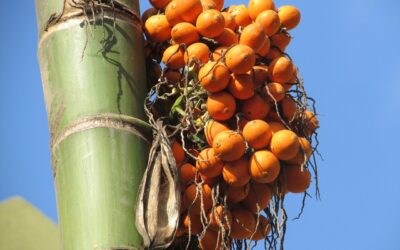
The areca palm has been America’s favorite indoor palm for 40 years, but more homeowners are now discovering it works beautifully outside — provided you understand its narrow climate window. Areca palm outdoor success depends on three factors: USDA zone, sunlight intensity, and a fast-draining soil. Get those right and you’ve got a fast-growing, multi-stemmed clumping palm that adds tropical lushness to any yard. Get them wrong and you’ve got a $200 brown skeleton by January.
Part of our Windows & Doors guide — explore the full guide →
Climate Zones Where It Thrives
Areca palms (Dypsis lutescens, often called butterfly palm or golden cane palm) are reliably hardy in USDA zones 10b and 11 — meaning south Florida, the Florida Keys, southern California coastal, and Hawaii. In these zones, you can plant them in the ground and expect 25+ years of growth.
In zone 10a (most of Florida south of Orlando, parts of southern California), they survive but may suffer leaf damage during occasional cold snaps below 30°F. In zone 9b (north Florida, Houston, parts of southern Arizona), areca palms work as marginal landscape plants but need cold protection during freeze events.
Anywhere colder than zone 9b, treat areca palms as patio plants — outdoors in summer, brought inside before first frost.
Light Requirements
Outdoor areca palms prefer bright, indirect or partially filtered light. Full midday sun in southern climates burns the fronds within weeks, leaving brown leaf tips and yellow streaks. The ideal location is east-facing morning sun with afternoon shade, or under high-canopy trees that filter intensity.
If you’ve recently moved an indoor areca outside, gradually increase light exposure over 2-3 weeks. Going from a north-facing window directly to a sunny patio causes severe leaf scorch.
Soil and Drainage
Areca palms hate wet feet. Compacted clay soil holds water around the root ball, leading to root rot — the most common cause of outdoor areca palm death.
Mix your planting soil at a ratio of:
- 50% high-quality topsoil or native sandy loam
- 25% perlite or coarse builder’s sand
- 25% peat or coco coir for moisture retention without compaction
If your native soil is heavy clay, build up a 24-inch raised berm rather than planting at grade. Raised plantings drain laterally and dramatically reduce root rot risk.
Planting Steps
- Dig a hole twice the width of the root ball but only as deep as the root ball is tall.
- Place the palm so the root crown sits at or slightly above grade. Buried crowns rot.
- Backfill with your prepared soil mix, gently tamping but not compacting.
- Build a 3-inch soil ring 18 inches out from the trunk to hold irrigation water.
- Water deeply at planting — about 5-10 gallons for a 5-gallon nursery palm.
- Apply 2-3 inches of organic mulch but keep it 4 inches off the trunk to prevent collar rot.
The best planting window is late spring through early summer, when soil is warm but heat isn’t yet at peak intensity.
Watering Schedule
For the first 6 months after planting, water deeply 2-3 times per week. Roots need consistent moisture to establish. Once established, areca palms tolerate moderate drought but look their best with weekly deep watering during dry stretches.
The fastest way to kill an outdoor areca palm is overwatering with frequent shallow irrigation. Wet soil with no oxygen suffocates roots within weeks. If you’re on an automatic sprinkler system, route the palm onto a drip line set for deep, infrequent cycles rather than the lawn schedule.
Fertilizing for Vigor
Areca palms are heavy feeders compared to other palms. They show classic potassium and magnesium deficiencies (yellow streaking, browned leaf margins) on poor soils. Use a slow-release palm-specific fertilizer with an analysis like 8-2-12-4 (the last number is magnesium).
Apply 2-3 lbs of fertilizer per inch of trunk caliper, spread evenly across the root zone, three times per year — early spring, midsummer, and early fall. Avoid generic lawn fertilizer, which lacks the magnesium and micronutrients palms require.
Cold Protection
In zones 9b-10a, freeze events demand action. Below 30°F, fronds damage; below 25°F for sustained hours, the palm can die outright.
Protection options:
- Wrap the trunk and crown with frost cloth or burlap (not plastic) before sunset.
- Place incandescent C9 Christmas lights through the canopy — heat output adds 4-6°F.
- Water deeply 24 hours before a freeze; moist soil holds heat better than dry.
- For potted areca palms, move them into a garage, sunroom, or breezeway when temps drop below 35°F.
Don’t prune frost-damaged fronds immediately. Leave brown fronds intact through the rest of winter — they protect the crown from secondary cold events. Prune in spring once new growth emerges.
Pests and Diseases
Outdoor areca palms occasionally see scale, mealybugs, or spider mites — most heavily in the dry season. Apply horticultural oil (Bonide All Seasons or Monterey Hort Oil) at first sign, repeating every 10-14 days for two cycles.
Lethal yellowing disease, transmitted by planthoppers, has reached parts of Florida and the Caribbean and can kill mature palms within months. Resistant cultivars exist but are not widely available — your best defense is keeping the palm healthy and uncrowded.
Long-Term Outlook
An established areca palm outdoor in the right zone reaches 15-25 feet at maturity, with multiple golden-yellow stems clumping at the base. Annual growth ranges from 12-24 inches under good conditions. Plan spacing accordingly — these palms get wider than most homeowners expect, often 8-12 feet at maturity.
Pruning and Shaping
Areca palms self-clean to some degree, dropping older fronds as they brown. Speed the process by cutting fully brown fronds at the trunk with sharp bypass pruners or a pruning saw. Never cut green fronds just for shape — palms store nutrients in their fronds, and removing healthy foliage stresses the plant and can lead to nutrient deficiencies that show up months later.
Skip the topping. Some homeowners try to limit height by cutting the central growth point, but this kills the affected stem entirely. Areca palms cannot be height-controlled by topping — they either grow naturally or you remove and replant.
Combining with Other Plantings
For a designed look, surround areca palms with low groundcovers that share their preference for partial shade and consistent moisture. Good companions include caladiums, ferns, philodendrons, and bromeliads. Avoid high-water-demand plants like impatiens directly at the base — they compete for moisture and can keep the palm crown too wet. A 24-30 inch buffer of mulch around the trunk gives roots breathing room while leaving space for accent plantings just outside the dripline.