Once found only on sports fields, artificial turf carpet has become a popular choice for patios, balconies, playrooms, pet areas, and even indoor accent spaces. This synthetic grass carpet delivers the fresh, green look of a lawn without mowing, watering, or muddy footprints, and it rolls out much like traditional carpet. But not all turf carpet is the same, and choosing the right product for the right spot makes all the difference. This guide covers what artificial turf carpet is, where it works best, what it costs, and how to install and maintain it.
- What Is Artificial Turf Carpet?
- Common Uses for Artificial Turf Carpet
- Materials and Quality Grades
- How Much Does Artificial Turf Carpet Cost?
- How to Install Artificial Turf Carpet
- Cleaning and Maintaining Turf Carpet
- Pros and Cons to Weigh
- Indoor Versus Outdoor Turf Carpet
- Final Thoughts on Artificial Turf Carpet
What Is Artificial Turf Carpet?
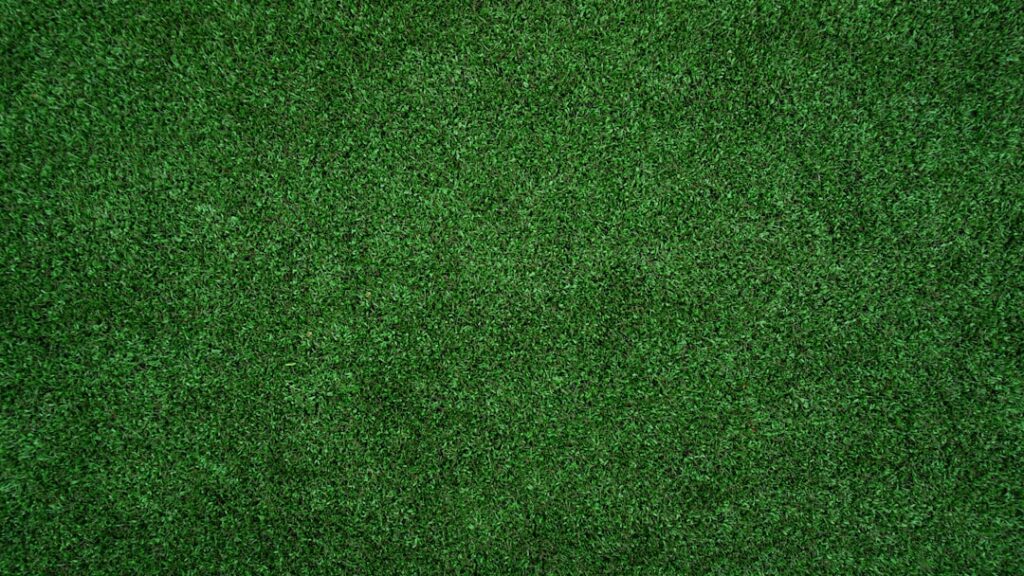
Artificial turf carpet is a synthetic surface made of plastic fibers tufted into a backing to mimic natural grass, then finished as a carpet-like roll or tile you can lay over patios, decks, and floors. Unlike a full landscape turf system that needs a gravel base and infill, turf carpet is thinner and designed to sit on existing hard surfaces or subfloors, making it far easier for homeowners to install themselves.
The fibers are usually polyethylene, polypropylene, or nylon, and the backing often includes drainage holes so water passes through. Quality ranges widely, from thin, flat indoor-outdoor styles to lush, multi-tone blades that convincingly imitate a real lawn. Understanding this range helps you pick a product suited to your specific use.
Common Uses for Artificial Turf Carpet
Turf carpet is remarkably versatile, which explains its growing popularity. Homeowners use it in many creative ways:
- Patios and balconies: Softens hard concrete and adds a green, inviting outdoor living surface.
- Pet areas and dog runs: Provides a clean, mud-free potty and play surface that drains and rinses easily.
- Playrooms and play areas: Offers a cushioned, worry-free surface for kids indoors or out.
- Rooftop decks and terraces: Lightweight enough for spaces where soil and sod are impractical.
- Event and display spaces: Creates instant greenery for trade shows, staging, and seasonal decor.
- Around pools: Adds slip-resistant, comfortable footing that stays cooler than some hard surfaces.
Matching the turf grade to the use is important. A pet area needs strong drainage and antimicrobial properties, while a decorative patio can prioritize a lush, realistic look.
Materials and Quality Grades
The fiber material shapes both look and durability. Polyethylene fibers feel soft and look realistic, making them a favorite for lawns and pet areas. Polypropylene is the most affordable but less durable, best for low-traffic decorative uses. Nylon is the toughest and most heat-resistant, ideal for high-traffic spots, though it feels stiffer underfoot.
Pile height and density also signal quality. Taller, denser turf looks more like real grass and feels plush, while short, flat turf mimics a putting green and handles heavy traffic well. Face weight, the amount of yarn per square yard, is a good measure of quality: higher face weight means a fuller, more durable product. For outdoor use, always confirm the turf is UV-stabilized so it will not fade in sunlight.
How Much Does Artificial Turf Carpet Cost?
Pricing varies with quality and thickness. Basic indoor-outdoor turf carpet runs roughly 1 to 3 dollars per square foot, mid-grade realistic turf falls around 3 to 6 dollars per square foot, and premium, lush landscape-grade turf can reach 6 to 12 dollars or more per square foot. For a typical 200-square-foot patio, materials might run from 200 to well over 1,000 dollars depending on the grade you choose.
If you hire a professional to install turf carpet, expect additional labor of a few dollars per square foot, though many homeowners install roll-out or tile turf themselves to save that cost. Factor in adhesive, seaming tape, and edging as well. Compared with maintaining a real lawn or repeatedly replacing worn outdoor carpet, quality turf often pays for itself over its long lifespan.
How to Install Artificial Turf Carpet
Installing turf carpet on an existing hard surface is a manageable weekend project. The general process looks like this:
- Clean and prep the surface: Ensure the patio, deck, or floor is clean, dry, and reasonably smooth.
- Measure and cut: Roll out the turf, let it relax, then cut to size with a sharp utility knife from the backing side.
- Align the grain: Lay all pieces with the blades leaning the same direction so seams blend and the surface looks uniform.
- Seam and secure: Join pieces with outdoor seam tape and adhesive, and glue or fasten the perimeter so edges stay down.
- Brush the fibers: Once installed, brush the blades upright with a stiff broom for a full, natural look.
For outdoor installs, make sure water can drain, either through the turf’s perforated backing to a sloped surface or through gaps at the edges. Trapped water leads to odor and mildew, especially in pet areas.
Cleaning and Maintaining Turf Carpet
One of the biggest draws of artificial turf carpet is low maintenance, but it is not maintenance-free. Rinse it periodically with a hose to remove dust and, for pet areas, to flush away waste residue. Pick up solid pet waste promptly and hose the spot, using an enzyme cleaner or turf deodorizer to control odor. Brush the fibers occasionally to keep them standing upright, especially in high-traffic paths where they can mat down. Remove leaves and debris with a leaf blower or gentle rake so organic matter does not break down on the surface.
With basic care, quality turf carpet can last 8 to 15 years or more. Avoid dragging heavy, sharp furniture across it, keep it clear of open flames and hot embers since the fibers can melt, and address drainage issues quickly to prevent lingering smells.
Pros and Cons to Weigh
Artificial turf carpet offers clear advantages: no mowing or watering, a consistently green look, easy DIY installation, good drainage, and a pet- and kid-friendly surface. On the downside, lower grades can look artificial, dark turf can get hot in direct sun, cheaper products fade over time, and pet areas require regular rinsing to stay fresh. It is also plastic, so it does not offer the ecological benefits of a living lawn. Weighing these trade-offs against your specific space and expectations will tell you whether turf carpet is the right fit.
Indoor Versus Outdoor Turf Carpet
Not all turf carpet is created equal, and matching the product to indoor or outdoor use is important. Outdoor turf carpet is built to withstand sun, rain, and temperature swings, so it features UV-stabilized fibers that resist fading and a perforated backing that lets water drain through. If you install a product without these features outdoors, it can fade, fade unevenly, or trap water and develop odor and mildew. Always confirm a turf is rated for exterior use before laying it on a patio or in a dog run.
Indoor turf carpet, used in playrooms, gyms, or as a novelty accent, can prioritize softness and appearance over weather resistance, since it will not face the elements. However, in any area exposed to moisture, even indoors, such as a basement or a pet zone, a permeable, mildew-resistant backing is still valuable. Think about foot traffic too: high-traffic paths need denser, more durable fibers that resist matting, while decorative areas can use plusher, more realistic grass. Buying the grade suited to the specific conditions, rather than the cheapest roll available, is the single best way to ensure your turf carpet looks good and lasts for years instead of degrading within a season.
Final Thoughts on Artificial Turf Carpet
For patios, pet areas, play spaces, and low-maintenance outdoor living, artificial turf carpet delivers year-round greenery without the upkeep of a real lawn. Choose a fiber and pile grade that matches how the space will be used, confirm UV protection for outdoor spots, and make sure water can drain freely. Install it with proper seaming and edging, brush and rinse it regularly, and it will stay green and inviting for a decade or more. With realistic options now widely available, turf carpet is an easy, practical way to add the look and feel of grass wherever a living lawn is not possible.