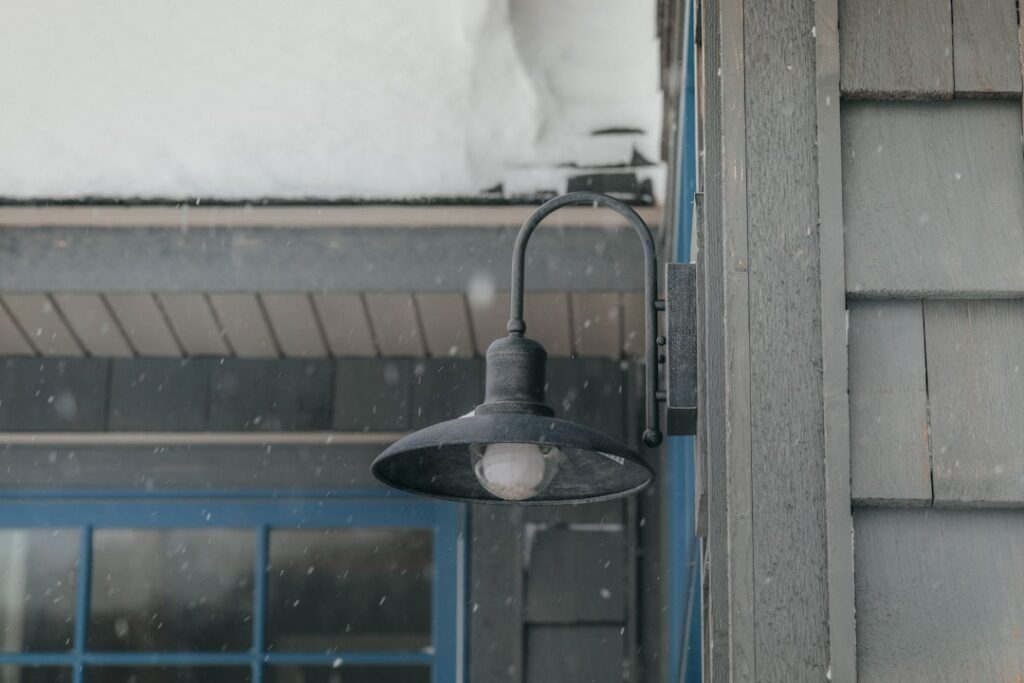
Those tiny black or brown dots that look like flecks of tar splattered across your light-colored siding are not dirt, and no amount of regular washing will lift them off easily. They are the spore masses of artillery fungus on siding, a wood-decay mold scientifically named Sphaerobolus that grows in landscape mulch and literally shoots its sticky spores toward bright surfaces. This is one of the most frustrating exterior problems a homeowner can face, and being honest, prevention matters far more than any cure because removal is genuinely difficult.
What Artillery Fungus Actually Is
Artillery fungus, sometimes called shotgun fungus, is a small mold that decomposes wood-based mulch. When mature, each fruiting body builds internal pressure and ejects a black spore mass, the peridiole, up to several feet through the air toward the lightest object it can detect. That is usually a white house, a parked car, or a vinyl fence. The spore mass carries a tenacious glue that bonds to whatever it hits and hardens as it dries.
The fungus thrives in cool, wet conditions, typically spring and fall, in shaded areas where mulch stays damp. North-facing walls and beds under overhangs are classic hot spots. The dots are small, around 1 to 2 millimeters, but they appear by the hundreds and resemble specks of tar or tiny scale insects.
Why It Is So Hard to Remove
Here is the uncomfortable truth: once the spore mass has dried onto your siding, there is no easy, guaranteed way to take it off without potentially damaging the surface. The glue is that strong. Pressure washing usually fails because the bond outlasts the water, and cranking the pressure high enough to dislodge it can gouge vinyl or strip paint.
Many homeowners find that the best results come from scraping each dot off individually with a fingernail or a plastic scraper when the spots are fresh, before the glue fully cures. Even then, a stain often remains. There is no magic chemical that dissolves the spores cleanly, so anyone promising a quick spray-on fix should be treated with skepticism.
Removal Methods Worth Trying
If you want to attempt cleanup, set realistic expectations and test any method on an inconspicuous spot first:
- Catch them early. Fresh spots scrape off more easily than cured ones, so deal with an outbreak quickly.
- Soak and scrub. A solution of warm water with dish soap or a mild oxygen-bleach cleaner, left to dwell, can soften some spots enough to wipe or scrub with a soft brush.
- Hand scraping. A plastic putty knife or an old credit card lifts individual masses without scratching, though it is tedious across a large wall.
- Magic eraser or melamine sponge. These sometimes lift the residual stain after the mass is removed, again with gentle pressure.
Avoid harsh solvents and high-pressure blasting, which tend to damage the siding more than they help. In severe cases on painted surfaces, repainting may be the only way to fully restore the look.
Prevention Is the Real Solution
Because removal is so unreliable, your energy is far better spent stopping the fungus from forming. The single most effective step is choosing the right mulch, since artillery fungus feeds on decaying wood.
- Switch away from wood mulch in beds next to the house. Inorganic options like stone, gravel, river rock, rubber mulch, or pea gravel give the fungus nothing to eat.
- Use bark mulch over wood chips if you must use organic mulch; large pine-bark nuggets resist colonization better than shredded hardwood, which is the worst offender.
- Blend in mushroom compost. Research has suggested that mixing about 40 percent fresh mushroom compost into mulch can suppress artillery fungus growth.
- Refresh mulch annually and keep it shallow, around 2 to 3 inches, since deep, aging mulch holds the moisture the fungus loves.
Reduce the Conditions It Loves
Beyond mulch choice, make the environment less hospitable. Improve drainage and air circulation in planting beds so mulch dries out between rains. Trim back shrubs that shade the foundation and trap dampness. Keep a clear gap of bare soil or stone, ideally 12 inches or more, between any organic mulch and the base of your siding, since the spores travel only a limited distance.
For homes that have suffered repeated outbreaks, a permanent switch to stone or rubber landscaping along the affected walls is often the only lasting answer. It is not the look everyone wants, but it ends the cycle.
Protecting Cars and Other Surfaces
Your siding is not the only target. Artillery fungus shoots its spores toward any bright surface, which means cars parked near a mulched bed are frequent casualties, along with white fences, light-colored decking, and outdoor furniture. The tar-like spots bond to automotive paint and clear coat just as stubbornly as they do to siding, and removing them risks scratching the finish.
If you have had outbreaks, avoid parking near affected beds during the cool, damp spring and fall when the fungus fruits. For spots already on a vehicle, try a clay bar with plenty of lubricant or a dedicated tar-and-adhesive remover made for car paint, working gently and following with wax. On other surfaces, the same scrape-while-fresh advice applies. The broader lesson holds across the board: because nothing removes these spots cleanly, keeping wood mulch away from anything you care about is the only reliable protection.
The Honest Bottom Line
Artillery fungus is a problem you manage rather than defeat once it has struck. Removal is slow, imperfect, and sometimes ends with the spots simply fading rather than vanishing. Set realistic expectations, work the spots while they are fresh, and accept that some staining may persist. If you are buying a home or hiring landscapers, this is worth raising up front: ask that beds against the house be finished with stone or rubber rather than shredded wood mulch, especially on shaded north-facing walls where the fungus thrives. A small change at install time saves years of frustration later. The lasting win comes from prevention: eliminate wood mulch near the house, improve drainage, and keep beds dry. Tackle artillery fungus on siding at its source in the mulch bed, and you will spend far less time on a ladder picking tar-like specks off your walls.