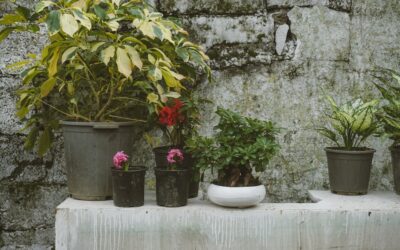
A row of tall pots can turn an exposed balcony into a private outdoor room, but the first question isn’t which plant to buy. It’s how much weight your balcony can carry. Balcony privacy plants live in containers, and a large planter full of wet soil can weigh several hundred pounds. Pick tough, wind-tolerant plants matched to your sun exposure, use lightweight planters with built-in reservoirs, and secure everything against gusts. Do that, and you can screen views from neighbors and the street within a single season.
The plants that work best are narrow evergreen shrubs, upright grasses, bamboo kept in pots, and vines on freestanding trellises. Before you buy anything, check your building or HOA rules and the balcony’s load rating, then plan for drainage that won’t drip onto the unit below.
- Best Balcony Privacy Plants for Containers
- Weight Limits: The First Thing to Check
- Choosing Planters for a Privacy Screen
- Securing Planters Against Wind
- Drainage That Won't Bother Your Neighbors
- Setting Up Your Balcony Screen Step by Step
- Watering, Feeding and Winter Care
- Troubleshooting Balcony Plant Problems
- Costs and When to Get Help
- Frequently Asked Questions
Best Balcony Privacy Plants for Containers
Good container screens share a few traits: upright growth, dense foliage, tolerance for wind and drying, and a root system that’s happy in a pot. Here are reliable groups to consider, described generally so you can find versions suited to your climate:
- Columnar evergreen shrubs: narrow arborvitae, upright junipers, and columnar hollies give year-round cover. Choose compact cultivars that top out around 6 to 10 feet.
- Clumping bamboo: fast, dense and graceful. Use clumping (not running) types and keep them in sturdy containers. Dwarf and mid-size types suit most balconies.
- Tall ornamental grasses: upright grasses reach 4 to 6 feet by midsummer. Most go dormant in winter, so they suit seasonal privacy.
- Potted trees for privacy: small multi-stem trees such as olive in warm regions, columnar hornbeam, or upright Japanese maples for partial shade. Deciduous trees give summer shade and winter sun.
- Evergreen broadleaf shrubs: cherry laurel, privet, and similar shrubs in mild climates can be clipped into a living wall.
- Vines on trellis planters: star jasmine, clematis, or annual vines climb a planter with an attached trellis for a slim, green screen.
Match plants to sun exposure. South- and west-facing balconies get intense afternoon heat, so choose drought-tolerant plants. North-facing balconies need shade lovers. High floors face stronger wind, which dries leaves and soil quickly, so tough, small-leaved plants hold up best.
Weight Limits: The First Thing to Check
Balconies are built to carry people and furniture, but a long row of large planters concentrates weight in one strip, often along the outer edge where support is weakest. Wet soil is heavy, roughly 75 to 100 pounds per cubic foot. A single 24-inch planter filled with damp potting mix can easily weigh 200 to 300 pounds once the plant and water are added.
Before you plan a screen:
- Ask your building manager, landlord or HOA for the balcony’s rated load, or for guidance on planter weight.
- For a house deck or older balcony, have a contractor or structural engineer evaluate it if you plan several large planters.
- Place the heaviest planters close to the building wall or directly over support beams, not cantilevered at the outer edge.
- Spread weight with several medium planters instead of one massive trough.
To cut weight, use fiberglass, resin, or foam-composite planters instead of concrete or glazed ceramic. Use lightweight potting mix (never garden soil), and consider filling the bottom of oversized pots with a lightweight filler insert, as long as the root zone still has at least 12 to 18 inches of mix for trees.
Choosing Planters for a Privacy Screen
Pot size directly controls how tall and healthy your plants get. General minimums:
- Grasses and vines: 16 to 20 inches wide and deep.
- Shrubs and bamboo: 20 to 24 inches, or long troughs at least 18 inches deep.
- Small trees: 24 to 30 inches or larger.
A large self-watering planter is especially useful on balconies. The reservoir in the base keeps roots evenly moist through hot, windy days, cuts watering frequency, and greatly reduces runoff. Long rectangular troughs line up neatly against railings and make a continuous screen with fewer gaps than round pots.
Make sure every container has drainage. Even self-watering designs need an overflow hole so rainwater doesn’t drown roots.
Securing Planters Against Wind
Wind is the biggest hazard on upper floors. A tall plant acts like a sail, and a tipped planter can injure someone or fall to the ground. Take these steps:
- Choose wide, low-profile planters with a broad base rather than tall, narrow ones.
- Anchor tall planters to the building wall with straps or brackets if your building allows it, or tie them together so they brace each other.
- Never hang planters on the outside of a railing on upper floors unless the building explicitly permits it and they are rated and locked in place.
- Keep trees pruned so the canopy isn’t top-heavy, and thin dense growth to let wind pass through.
- Move lightweight pots indoors or lay them down before storms.
Child Safety Near Railings
If children use the balcony, keep planters, benches, and trellis frames away from railings. Anything a child can climb on near a railing can defeat its height and create a fall risk. Put the privacy screen along a side wall instead, or set planters far enough back from the railing that they can’t serve as a step. Avoid attaching climbing trellises or ladders to railings.
Drainage That Won’t Bother Your Neighbors
Muddy water dripping onto the balcony below is a fast way to annoy neighbors and break building rules. Prevent it with:
- Saucers or trays under every pot, sized larger than the pot base.
- Self-watering planters, which release little or no runoff with careful watering.
- Pot feet or risers inside a tray so pots don’t sit in standing water.
- Watering slowly until moisture just reaches the bottom, rather than flooding pots.
- Checking where your balcony’s floor drains and not blocking them with planters.
Also keep fallen leaves and soil swept up, since debris can clog balcony drains and stain surfaces.
Setting Up Your Balcony Screen Step by Step
Tools and materials:
- Lightweight planters with drainage, plus trays
- Lightweight potting mix and slow-release fertilizer
- Tape measure
- Furniture dolly or planter caddy with wheels
- Straps or ties for anchoring
- Gloves and a small hand trowel
- Confirm the rules. Read your lease, building rules, or HOA guidelines on planter size, weight, placement and screens.
- Measure the space. Note sun hours, wind direction, and where you need the most screening.
- Position empty planters first. Place them on trays or caddies where they will stay. Moving full planters is hard and risky.
- Fill with mix. Add potting mix to the correct depth, leaving room for the root ball.
- Plant. Loosen circling roots, set the plant at the same depth it grew in its nursery pot, and backfill.
- Water carefully. Soak slowly until water reaches the tray.
- Anchor. Secure tall plants and trellises before the first windy day.
Watering, Feeding and Winter Care
Container plants dry out far faster than plants in the ground, especially in wind and full sun. In summer, check soil daily and water when the top inch or two is dry. Self-watering planters may need refilling only every several days. Feed with a slow-release fertilizer in spring and again midseason.
Cold is harder on potted plants because roots aren’t insulated by surrounding earth. As a general rule, pick plants rated at least one to two climate zones colder than your area if they will stay outside in winter. Wrap pots with burlap or bubble wrap, group them together against the building wall, and water occasionally during dry, unfrozen spells, since evergreens can dry out in winter wind. Cut ornamental grasses back in late winter.
Troubleshooting Balcony Plant Problems
- Brown, crispy leaf edges: wind or underwatering. Water more consistently and add a windbreak.
- Yellowing lower leaves: often overwatering or poor drainage. Check that drainage holes are clear.
- Leggy, sparse growth: not enough sun. Move plants or switch to shade-tolerant types.
- Bamboo bursting pots: divide or repot every two to three years.
- Winter dieback: plants weren’t hardy enough for containers. Choose hardier types or move pots to a sheltered spot.
Costs and When to Get Help
Budget for balcony privacy plants depends on plant size and planter material. Medium shrubs and grasses often cost from the low tens of dollars to around a hundred each. Large planters range from modest prices for plastic and resin to several hundred dollars for big self-watering or designer troughs. A small balcony screen of three to four planters typically runs a few hundred dollars, while a larger planted wall can reach a thousand or more.
Most renters and owners can set up balcony privacy plants themselves. Bring in a professional if you’re unsure about your balcony’s load capacity, planning built-in planters, or need help anchoring tall screens. A structural engineer or experienced contractor can confirm what your balcony can safely hold, and a container garden designer can pick plants suited to your exposure.
Frequently Asked Questions
What is the fastest-growing balcony privacy plant?
Clumping bamboo and tall ornamental grasses grow quickly, often filling out within one season. Annual vines on a trellis can also screen a space in a few months.
How heavy is a large planter on a balcony?
A 24-inch planter with wet soil and a plant can weigh 200 to 300 pounds or more. Use lightweight planters and mix, and check your balcony’s load rating before adding several.
Can potted trees survive winter on a balcony?
Yes, if they are rated colder than your local climate, planted in large containers, and protected with wraps and a sheltered location.
How do I stop planters from dripping on the balcony below?
Use saucers under every pot, consider self-watering planters, and water slowly so little drains out.
Do I need permission to put planters on my balcony?
Many apartments, condos, and HOAs have rules on planter size, weight, and placement, so check them before you buy.