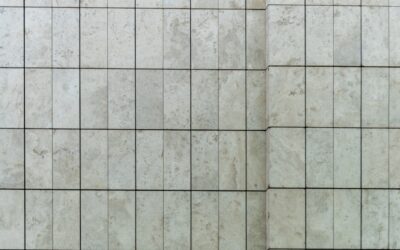
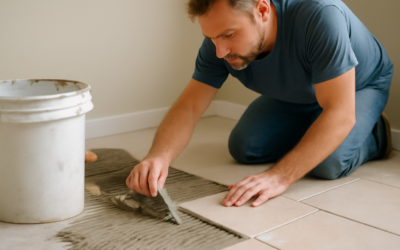
A balcony floor takes a beating that no indoor surface ever sees: driving rain, freezing nights, blazing afternoon sun, and standing water after every storm. Choosing the wrong material means cracks, mold, and a slippery hazard within a season or two. Balcony tile done right handles all of it, giving you an outdoor floor that looks sharp, drains properly, and stays safe underfoot for decades. The trick is knowing which materials survive the weather, how to handle drainage, and whether to bond the tile down or float it on pedestals. This guide covers every decision, from material to maintenance.
- What Makes Outdoor Tile Different
- The Best Materials for Balconies
- Drainage Is Not Optional
- Pedestal Systems for Raised Floors
- What Balcony Tile Costs
- Installation Considerations
- Care and Maintenance
- Pros and Cons
- Frequently Asked Questions
- Can I put balcony tile over existing concrete?
- Will outdoor tile crack in freezing weather?
- Is porcelain slippery when wet?
- The Bottom Line
What Makes Outdoor Tile Different
Balcony tile is not just indoor tile moved outside. It has to meet a tougher spec because the elements are relentless. Three properties matter most:
- Frost resistance: Water that seeps into a porous tile expands when it freezes and cracks the tile apart. Outdoor tile must have very low water absorption.
- Slip resistance: Wet balconies are dangerous. Look for a textured or matte finish with a high slip rating rather than a slick polish.
- UV stability: Colors must not fade after years of direct sun. Quality porcelain holds its color where cheaper materials chalk out.
Indoor polished tile fails on all three counts. It absorbs water, gets dangerously slick when wet, and is not rated for freeze-thaw cycling. Always confirm a tile is rated for exterior use before you buy.
The Best Materials for Balconies
Porcelain Pavers
Porcelain is the gold standard for balconies. It is dense, absorbs almost no water, resists frost and fading, and comes in wood-look, stone-look, and concrete-look styles. Outdoor porcelain pavers are typically 3/4 inch to 1 inch thick, far thicker than indoor tile, which lets them span supports and take heavy loads.
Composite and Wood Decking Tiles
Interlocking deck tiles, usually 12 inches square, snap together over an existing balcony surface. They come in wood, composite, and stone versions and are a favorite for renters and quick makeovers because they install without adhesive and lift out for cleaning.
Natural Stone
Granite and quartzite handle weather well, but softer stones like some limestones can spall in freezing climates. Stone needs sealing and costs more, so reserve it for showcase spaces in milder regions.
Drainage Is Not Optional
The most common balcony failure is not the tile itself but trapped water beneath it. A balcony must shed water, or moisture pools, freezes, and destroys both the tile and the structure below. Every balcony should slope slightly, roughly 1/4 inch per foot, toward a drain or the outer edge so water runs off.
When you bond tile directly to a concrete balcony, you need a waterproof membrane under the tile and proper slope built into the substrate. If the balcony sits over living space, this waterproofing is critical because a leak damages the room below. Never install tile over a balcony you suspect is already leaking; fix the waterproofing first.
Pedestal Systems for Raised Floors
Pedestal-mounted tile is one of the smartest outdoor solutions and worth understanding. Adjustable pedestals, small plastic supports, hold porcelain pavers up off the structural deck, creating an air gap. Water drains freely through the joints and runs off the waterproof deck below, while the tile surface stays perfectly level even over a sloped substrate.
- Water drains instantly through the open joints, so no pooling.
- The finished floor is dead level even though the deck slopes for drainage.
- Utilities hide underneath in the air gap, and pavers lift out for access.
- No adhesive or grout means faster installation and easy repairs.
The tradeoff is that pedestal systems raise the floor height by an inch or more, so check your door thresholds and railing heights before committing.
What Balcony Tile Costs
Outdoor porcelain pavers typically run $5 to $15 per square foot for the material, with premium wood-look and large-format styles reaching $20 or more. Interlocking deck tiles run $4 to $12 per square foot and are largely DIY, saving on labor. Pedestal supports add roughly $2 to $5 per square foot on top of the pavers.
Professional installation of bonded porcelain, including membrane and slope work, commonly runs $12 to $25 per square foot in labor because outdoor prep is exacting. For an average 60-square-foot balcony, a full professional porcelain job might total $1,500 to $2,800, while a DIY interlocking deck tile refresh could come in under $700. Always order 10 to 15 percent extra for cuts and spares.
Installation Considerations
- Check the structure first. Confirm the balcony can carry the added weight of tile, especially with a mortar bed.
- Waterproof and slope. For bonded tile, install a membrane and confirm the substrate slopes to drain.
- Use exterior-rated thinset and grout. Interior products fail outdoors; choose freeze-thaw-rated materials.
- Leave movement joints. Outdoor tile expands and contracts with temperature swings, so include soft expansion joints to prevent cracking.
- Mind the thresholds. Keep the finished floor below the door sill so rain never runs indoors.
Care and Maintenance
Porcelain balcony tile is close to maintenance-free. Sweep off leaves and grit, and rinse with a hose or damp-mop with a mild cleaner. Twice a year, clear the joints and drains so water keeps moving. For pedestal systems, lift a few pavers occasionally to sweep out debris that collects in the air gap.
Reseal natural stone annually and keep an eye on grout and caulk joints in bonded installations, refreshing any that crack. Staying ahead of small joint failures is what keeps water from working its way under a balcony tile floor and causing bigger problems.
Pros and Cons
Pros
- Porcelain resists frost, fading, and stains for decades
- Pedestal systems drain instantly and lift out for access
- Huge range of wood, stone, and concrete looks
- Deck tiles offer a fast, renter-friendly DIY option
Cons
- Bonded installs demand careful waterproofing and slope
- Quality outdoor porcelain costs more than indoor tile
- Pedestal floors raise the finished height
Frequently Asked Questions
Can I put balcony tile over existing concrete?
Yes, as long as the concrete is sound, sloped to drain, and waterproofed. Interlocking deck tiles are the easiest way to cover concrete without adhesive.
Will outdoor tile crack in freezing weather?
Not if it is frost-rated porcelain with very low water absorption and proper drainage. Cracking almost always comes from trapped water or using indoor-rated tile outside.
Is porcelain slippery when wet?
Polished porcelain is, but outdoor pavers use textured and matte finishes with high slip ratings specifically to stay safe on a wet balcony.
The Bottom Line
An outdoor floor lives or dies by how well it handles water and weather. Choose frost-rated porcelain or interlocking deck tiles, insist on real drainage and waterproofing, and consider a pedestal system if you want level footing over a sloped deck. Get those fundamentals right, and your balcony tile will look great and stay safe through every season for years to come.
Prefer to explore on your own?
See how new flooring looks in your actual room in seconds — free, no signup.
Try the free Floor Studio →