A great bar is part workspace and part stage, which is exactly why the surface you choose carries more weight than the cabinets or the stools beneath it. Bar counter ideas that actually work in real homes balance durability against the look you want, then dial in dimensions so people can lean, eat, and pour without elbows colliding. Whether you are converting a basement nook or extending a kitchen island, the right combination of material, depth, and overhang can transform a so-so space into the place every gathering ends up.
Standard Bar Counter Heights
Pick the height before you pick the material. Each option implies a different stool size and a different mood.
- Standard counter height (36 inches): Matches your kitchen counter. Works well for eat-in islands and feels casual. Use 24-inch seat-height stools.
- Bar height (42 inches): Classic pub feel. Separates the bar from prep zones. Use 30-inch seat-height stools.
- Mixed-height “two-tier”: A 36-inch prep zone steps up to a 42-inch raised bar. Hides kitchen mess from guests. Adds about $400 to $800 in cabinet and counter work.
Depth matters as much as height. Plan 24 inches deep for seating with elbow room. Anything less than 18 inches feels cramped, and overhangs longer than 12 inches need corbels or steel brackets to prevent cracking.
Material Ideas Ranked by Real-World Durability
The bar is where wet glasses, citrus juice, and red wine end up. Choose materials that shrug it off.
Quartz
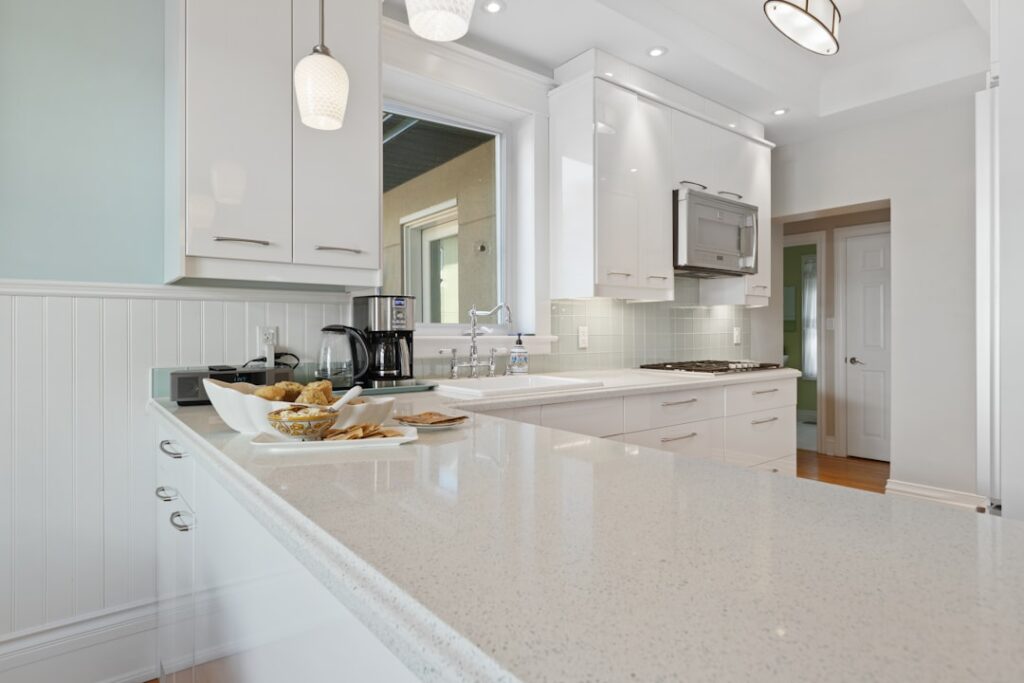
Engineered quartz from Caesarstone, Cambria, or Silestone runs $60 to $120 per square foot installed. It resists wine, citrus, and heat to about 300 degrees Fahrenheit. The non-porous surface means no sealing, ever. Best pick for high-use family bars.
Butcher Block
Maple or walnut at $40 to $90 per square foot brings warmth that stone cannot match. Seal with three coats of Waterlox Original Sealer or pure tung oil and re-coat once a year. Avoid in zones where standing water collects, but on a basement bar or coffee station, butcher block ages beautifully.
Live-Edge Slab
A single walnut or sycamore slab from a local sawmill runs $400 to $2,000 depending on size. The organic edge becomes the focal point of the room. Finish with epoxy or hardwax oil. Expect minor movement in the first year as the slab acclimates.
Concrete
Cast in place or precast, concrete bars run $75 to $130 per square foot. Stainable to almost any color and customizable with embedded glass, fossils, or pennies. Seal with a food-safe penetrating sealer like Cheng Concrete Countertop Sealer every two years.
Stainless Steel
The choice of pro bartenders for a reason. Drinks slide off, citrus does not stain, and the surface cleans with a wipe. About $90 to $150 per square foot. Looks industrial, which can be a feature or a problem depending on the rest of the room.
Style Direction by Space
Bar style should echo the room around it, not fight with it.
Modern Kitchen Waterfall Island
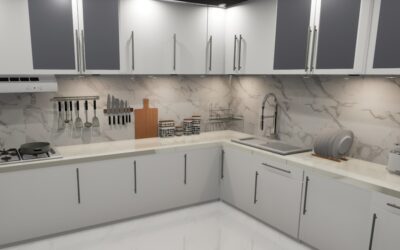
A waterfall edge where the counter cascades to the floor on one or both sides makes a quartz island look architectural. Calacatta-pattern quartz from MSI or Cambria Brittanicca runs about $85 per square foot and reads like white marble without the staining risk.
Farmhouse Coffee Station
Butcher block on white shaker cabinets with a shiplap backsplash and pendant lights from Capital Lighting. Add open shelving for mugs and a Wolfgang Puck espresso machine for under $300 in equipment.
Basement Speakeasy
Dark walnut counter on black cabinets, a brass foot rail, and Edison-bulb pendants. Add a beverage cooler like the EdgeStar CBR1502SG for $700 and a single-bowl undermount sink. Total project for a 10-foot bar runs $4,500 to $7,500 in materials.
Outdoor Patio Bar
Porcelain slab counters from Florim or Lapitec resist UV fading and freeze-thaw cycles. Pair with stainless cabinets from NewAge Outdoor Kitchens at $1,200 to $2,400 per 6-foot section. Run a dedicated 20-amp GFCI circuit for blenders and small fridges.
Lighting That Sells the Look
Pendants are the jewelry of any bar. Hang the bottom of the fixture 30 to 36 inches above the counter. Use one pendant per 24 inches of counter length, so a 6-foot bar gets three pendants.
Layer in under-counter LED strip lighting at 2700K to wash the front of the toe-kick. The glow makes the bar appear to float and adds a nightclub feel after dark.
Stool Selection
Match the stool to the counter height first, then to the style. Allow 24 inches of counter width per stool so shoulders do not touch. For a 6-foot bar, plan on three stools. For 8 feet, four.
- Upholstered swivel stools from Article or West Elm: $250 to $450 each
- Metal industrial stools from Amazon Basics: $50 to $90 each
- Wood cross-back stools from World Market: $150 to $200 each
Plumbing and Electrical to Plan For
If you want a sink, route a 1-1/2-inch drain to the existing waste line and bring in 1/2-inch supply lines for hot and cold. Budget $600 to $1,200 in plumbing labor.
For appliances like a kegerator, ice maker, or beverage cooler, install a dedicated 20-amp circuit and pull a 1/4-inch water line if the unit needs ice. Most code requires GFCI protection within 6 feet of any sink, including bar sinks.
Sketch the layout to scale before ordering anything. A 6-foot bar feels generous on paper and tight in reality once stools, knee space, and bartender working room are accounted for.