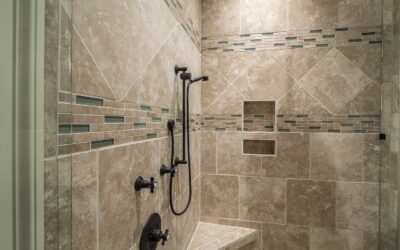
On most remodels, the people cost more than the materials. Bathroom renovation labor cost typically makes up 40 to 65 percent of the total project price, and in a small bathroom with a tiled shower it can push past that, because tile setting and plumbing rough-in are slow, skilled work. For a mid-range full remodel of a 5×8 bathroom, labor alone commonly lands somewhere between several thousand dollars and the low five figures, depending on your region and how much gets moved.
Part of our Bathroom Remodeling & Flooring guide — explore the full guide →
The fastest way to understand a quote is to break it into trades. Demolition, plumbing, electrical, tile, drywall and paint each have their own rate structure, and some charge by the hour while others price by the square foot or by the job. Once you know the typical range for each, you can spot a padded line item or a suspiciously low bid.
- Bathroom Renovation Labor Cost by Trade
- Hourly vs Per-Job Pricing
- Labor Cost to Redo a Bathroom by Project Size
- How the Trades Sequence on a Remodel
- How to Compare Labor Quotes
- Ways to Lower Labor Costs Safely
- Troubleshooting Common Labor Cost Surprises
- When to Call a Licensed Professional
- Frequently Asked Questions
All figures here are general national ranges. Large metro areas run higher, rural areas often lower, and labor rates shift with demand.
Bathroom Renovation Labor Cost by Trade
This labor-only table separates each trade so you can compare it with the line items in a contractor’s estimate. Materials, fixtures and permit fees are not included.
| Trade | Typical hourly rate | Typical per-job or unit pricing | Share of labor budget |
|---|---|---|---|
| Demolition and haul-away | $40 to $80/hr | $500 to $2,000 per bathroom | 5 to 10% |
| Plumbing (licensed) | $75 to $150/hr | $1,000 to $4,000+ for rough-in and fixture sets | 20 to 30% |
| Electrical (licensed) | $60 to $130/hr | $500 to $2,500 for lights, fan, GFCI outlets | 8 to 15% |
| Tile setting | $50 to $100/hr | $8 to $25 per sq ft (floor and walls) | 25 to 35% |
| Drywall and cement board | $40 to $80/hr | $2 to $4 per sq ft hung and finished | 5 to 10% |
| Painting | $30 to $70/hr | $300 to $900 per bathroom | 3 to 6% |
| Carpentry and vanity install | $50 to $90/hr | $300 to $1,000 per vanity and trim | 5 to 10% |
| General contractor management | Not hourly | 10 to 25% markup on the job | Added on top |
Tile and plumbing usually dominate. If those two lines together are much less than half your labor total, ask what is missing; if they are far more, ask what the scope includes.
Hourly vs Per-Job Pricing
Trades split into two camps. Plumbers and electricians often bill hourly plus a trip or service fee for small jobs, but for a remodel most give a fixed price for the rough-in and finish stages. Tile setters and drywall finishers more commonly price by the square foot, because their output scales with area. Painters may quote by the room.
Fixed pricing protects you from slow work, but it also includes a cushion for surprises. Hourly pricing can be cheaper on a clean, simple job and more expensive when rot, old galvanized pipe or outdated wiring turn up behind the walls. A good compromise is a fixed bid for the defined scope plus a written hourly rate for change orders.
What drives the labor share up
- Moving the toilet, shower drain or vanity to a new location
- Custom tile showers with niches, benches and large-format or mosaic tile
- Second-floor or tight bathrooms where access slows every trade
- Older homes with rotted subfloor, uneven framing or outdated wiring
- Curbless showers that require recessing the floor
What keeps it down
- Keeping all plumbing in its existing location
- Choosing a one-piece tub or shower surround over tile
- Using standard 12×24 or similar tile in a simple layout
- Doing demolition and painting yourself
Labor Cost to Redo a Bathroom by Project Size
Homeowners searching the labor cost to redo a bathroom usually fall into one of three scopes. Use these ranges as a reality check against bids.
| Project scope | Typical labor-only range | Labor share of total | Typical timeline |
|---|---|---|---|
| Cosmetic refresh (paint, vanity, fixtures, lighting swap) | $1,500 to $4,000 | 35 to 50% | 3 to 7 days |
| Mid-range remodel, same layout (new tile, tub or shower, vanity) | $6,000 to $15,000 | 45 to 60% | 3 to 5 weeks |
| Full gut and layout change | $15,000 to $35,000+ | 50 to 65% | 6 to 10 weeks |
Powder rooms sit at the low end because there is no shower to waterproof. Primary bathrooms with double vanities, freestanding tubs and large tiled showers sit at the high end even before premium finishes are chosen.
How the Trades Sequence on a Remodel
Knowing the order of work helps you judge a timeline and catch gaps in a quote.
- Demolition. Fixtures, tile, drywall and sometimes subfloor come out. Debris disposal is a separate line on some quotes.
- Framing and subfloor repair. Rotted or uneven areas get replaced. This is often billed as time and materials because the extent is unknown until demo.
- Plumbing rough-in. Drain, vent and supply lines are installed or moved, and the shower valve is set.
- Electrical rough-in. New circuits, fan wiring, lighting boxes and GFCI-protected outlet locations are placed.
- Inspection. Many jurisdictions require a rough-in inspection before walls close.
- Cement board, drywall and waterproofing. Wet areas get backer board and a waterproof membrane; dry areas get moisture-resistant drywall.
- Tile. Floor and wall tile are set, then grouted after curing.
- Paint. Ceilings and walls get a bath-rated finish.
- Finish carpentry and fixtures. Vanity, toilet, trim, mirrors, lights and accessories go in, followed by final plumbing and electrical connections and a final inspection.
A laser distance measure makes it easy to take accurate room dimensions before you request bids, so every contractor prices the same square footage.
How to Compare Labor Quotes
Get at least three written bids for the same scope. Ask each contractor to break out labor by trade, or at least separate labor from materials. Then compare these points:
- Square footage of tile. Bids that differ wildly may be measuring different areas.
- Waterproofing method. A proper membrane adds labor but prevents the costliest failures.
- Permits. Confirm who pulls them and whether fees are included.
- Allowances. Low bids sometimes hide thin allowances for fixtures or tile that inflate later.
- Change-order rate. Get the hourly rate for unforeseen work in writing.
- Cleanup and disposal. Dumpster or haul-away fees can add a few hundred dollars.
- Licensing and insurance. Ask for proof of license (where required) and liability insurance for every trade.
Hiring trades directly instead of using a general contractor can save the 10 to 25 percent markup, but you take on scheduling, coordinating inspections and solving disputes between trades. On a full gut remodel, that management is real work.
Ways to Lower Labor Costs Safely
The safest savings come from tasks that need no license and carry little risk: removing the old vanity and mirror, pulling baseboard, painting, installing towel bars, and final cleanup. Some homeowners also handle demolition of tile and drywall, which can trim several hundred to a couple thousand dollars from a quote. Before demolition in a home built before 1980, have old flooring, adhesive, joint compound or plaster tested for asbestos, and test paint in pre-1978 homes for lead before sanding or tearing into it.
Scheduling also matters. Contractors are often busier in spring and summer; a project booked for late fall or winter may get a slightly better rate or a faster start. Making all finish selections before demo starts avoids idle crew days that you may pay for.
Troubleshooting Common Labor Cost Surprises
Rot under the toilet or tub. Water damage to subfloor and joists is common in older bathrooms. Expect time-and-materials billing for repair.
Undersized or outdated wiring. Many older bathrooms lack a dedicated circuit or GFCI protection, and bringing the room to current code adds electrician hours.
Old pipe materials. Galvanized steel or deteriorated cast iron drain lines may need replacement once exposed, raising plumbing labor.
Out-of-level floors. Leveling compound and extra prep time push tile labor higher, especially for large-format tile.
Keep a contingency of 10 to 20 percent of the total budget for these issues, more in homes over 50 years old.
When to Call a Licensed Professional
Plumbing and electrical work in a bathroom remodel should be done by licensed trades in most areas, and permits are commonly required for moving drains, adding circuits, installing new exhaust fans or changing the layout. A licensed plumber handles drain, vent and supply changes and sets shower valves to code. A licensed electrician runs new circuits, installs GFCI protection for outlets near water and wires fans and lighting rated for damp or wet locations.
If you swap a light fixture yourself, turn off the breaker and confirm power is off with a non-contact voltage tester before touching any wires; any new circuit or outlet belongs to a licensed electrician. Structural changes such as cutting joists to recess a shower, removing walls or relocating a window need a qualified contractor and possibly an engineer. Gas lines for a water heater or any gas appliance in the area are licensed-pro only. Hiring licensed trades raises bathroom renovation labor cost up front, but it protects your home insurance, eases resale and avoids costly tear-outs if an inspection fails.
Frequently Asked Questions
What percentage of a bathroom remodel is labor?
Labor is usually 40 to 65 percent of the total. Simple cosmetic updates sit at the lower end, while full gut remodels with tiled showers and layout changes sit at the higher end.
How much does a plumber charge for a bathroom remodel?
Plumbers commonly charge $75 to $150 per hour, and a remodel’s rough-in plus fixture setting often totals $1,000 to $4,000 or more, especially if drains are moved.
Is tile labor priced per square foot?
Usually yes. Tile setting labor commonly runs $8 to $25 per square foot, with mosaics, patterns and shower walls at the higher end.
Can I save money by acting as my own general contractor?
You can save the typical 10 to 25 percent markup, but you must schedule trades, coordinate inspections and manage delays yourself. It works best on simple, same-layout remodels.
How long does a bathroom remodel take?
A cosmetic refresh takes about a week, a mid-range same-layout remodel takes 3 to 5 weeks, and a full gut with layout changes can take 6 to 10 weeks including inspections.
Do I need a permit for a bathroom remodel?
Permits are commonly required when plumbing, electrical or structural work changes. Cosmetic work like painting or replacing a vanity in place often does not, but check with your local building department.