Few projects change how a home feels as dramatically as bathroom transformations. A dated, cramped bathroom can become a clean, modern retreat, and the work pays off both in daily comfort and resale value. After managing dozens of these remodels, I can tell you the secret is not spending the most money, it is spending it on the right things in the right order. This guide breaks down what actually moves the needle, what it costs, and how to decide between a weekend refresh and a full gut renovation.
Whether your budget is $3,000 or $30,000, the planning process is the same. Know your goal, identify the high-impact changes, set a realistic budget with a cushion, and decide honestly what you can do yourself.
Refresh, Mid-Range Remodel, or Full Gut?
The first decision is scope, and it sets the budget. There are three tiers.
- Cosmetic refresh ($1,500 to $5,000): Paint, new fixtures, a new vanity top, updated lighting, fresh hardware, and a new mirror. Nothing structural moves. This is the best return on a tight budget.
- Mid-range remodel ($6,000 to $18,000): New vanity, tile floor, tub or shower surround, toilet, lighting, and possibly a new layout within the existing footprint.
- Full gut ($20,000 to $40,000-plus): Everything down to the studs, often with a reconfigured layout, moved plumbing, and premium finishes.
Most homeowners get the best value from a mid-range remodel. Moving plumbing fixtures, especially the toilet and shower drain, is where costs balloon, so keeping the existing layout can save thousands.
The Highest-Impact Changes
If you want the biggest visual payoff per dollar, focus your budget here, roughly in order of impact.
Vanity and Countertop
The vanity is the visual anchor of the room. Swapping a builder-grade cabinet for a clean-lined vanity with a quartz or solid-surface top instantly modernizes the space. A quality 36-inch vanity with a top runs $600 to $1,800 installed.
Tile and Flooring
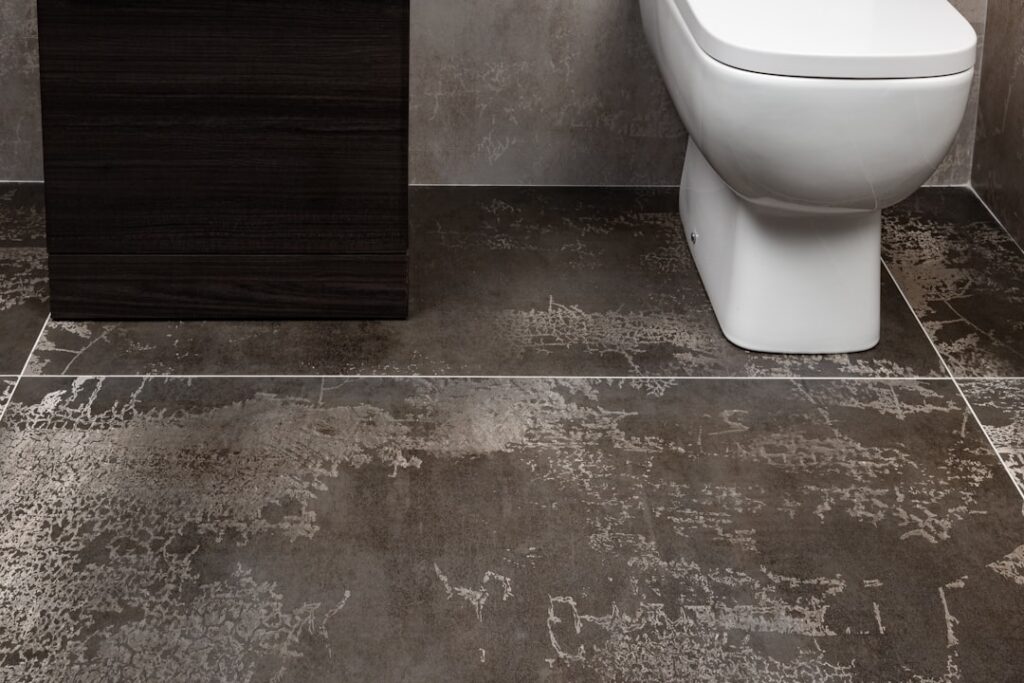
Floor and shower tile read as “renovated” more than almost anything else. Large-format porcelain tile, 12 by 24 inches, looks current and means fewer grout lines to clean. Luxury vinyl plank is a budget-friendly, waterproof alternative for the floor at $3 to $7 per square foot. Tile installation typically runs $10 to $25 per square foot including labor.
Lighting
Lighting is the most underrated upgrade. Replace a single builder dome light with layered lighting: a vanity fixture or sconces at eye level plus recessed cans overhead. Add a dimmer. The difference between flat, shadowy light and bright, even light is night and day, and a basic fixture swap can cost under $300.
Fixtures and Hardware
New faucets, a modern showerhead, a sleek toilet, and matching cabinet hardware tie the whole room together. Matte black and brushed gold finishes have largely replaced polished chrome in current designs. This is the easiest category to DIY.
The Glass Shower Upgrade
Replacing a tub-shower combo or a dingy shower curtain with a frameless or semi-frameless glass enclosure is one of the most transformative single changes you can make. Glass opens up the room visually and signals quality. A semi-frameless enclosure runs roughly $900 to $2,500, while full custom frameless glass can reach $3,500 or more. If you rarely take baths, converting a tub to a walk-in shower is popular and great for aging in place, though it can reduce resale appeal in a one-bathroom home where buyers expect a tub.
Smart Layout Choices
Good bathroom transformations respect the plumbing. Every fixture you move adds labor and risk. The most cost-effective layouts keep the toilet, sink, and shower roughly where they are and simply upgrade what is there.
When you do reconfigure, prioritize clearances. Plan at least 21 inches of clear floor space in front of the vanity and toilet, and a minimum 30-inch-wide shower, though 36 inches feels far more comfortable. A door that swings into the toilet is the kind of layout mistake that is cheap to avoid on paper and expensive to fix later.
Making a Small Bathroom Feel Bigger
Small bathrooms benefit the most from a transformation, and a few tricks create the illusion of space without moving a single wall.
- Use a large mirror, ideally wall-to-wall over the vanity, to double the visual space.
- Choose light, consistent colors on walls and floor to reduce visual clutter.
- Install a floating vanity to expose floor underneath, making the room feel larger.
- Run the same tile from floor up into the shower to blur boundaries.
- Swap a swinging door for a pocket or barn-style sliding door to reclaim swing space.
- Add a recessed niche in the shower wall instead of bulky corner caddies.
Planning the Before-and-After
A successful project starts on paper. Photograph the existing space from every angle, then build a simple plan and a line-item budget. Add a 15 to 20 percent contingency, because older bathrooms hide surprises like rot behind tile or outdated wiring once the walls open up.
- Set your goal and tier: refresh, mid-range, or gut.
- Create a finish schedule listing every tile, fixture, paint color, and hardware piece.
- Order materials before demolition begins so delays do not stall the job.
- Sequence the work: demo, rough plumbing and electrical, waterproofing, tile, fixtures, paint, then accessories.
DIY or Hire a Pro?
Be honest about your skills. Painting, swapping a faucet, installing a vanity, changing light fixtures, and updating hardware are all reasonable DIY tasks for a handy homeowner. Where I urge people to hire out: shower waterproofing and tile, plumbing relocation, and any electrical beyond a like-for-like fixture swap. A shower that leaks behind the wall causes the most expensive failures I see, often discovered only after rot has spread to the framing.
A practical middle path is to do the demolition and finish work yourself while hiring licensed trades for the plumbing, electrical, and shower waterproofing. That hybrid approach keeps costs down without gambling on the parts where mistakes are catastrophic.
Final Thoughts
The most successful bathroom transformations are not about chasing every trend or spending the most money. They come from picking the changes that deliver the biggest visual and functional payoff, the vanity, tile, lighting, glass, and fixtures, while respecting the existing plumbing and building in a cushion for surprises. Plan thoroughly, spend where it shows, and know which jobs to leave to the pros. Do that, and you will turn a tired bathroom into a space that feels brand new.