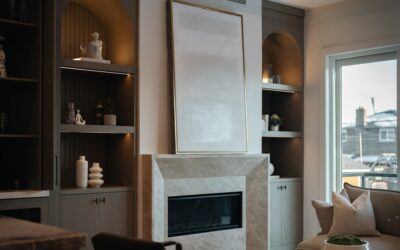
Getting ready standing up, hunched over a sink, is a daily frustration in most bathrooms. The solution is a smarter layout that pairs your sink with a dedicated seated station. A bathroom vanity with makeup table combines the function of a standard sink vanity with a lower, knee-clearance surface where you can sit and do makeup, hair, and skincare in comfort. This guide covers layouts, dimensions, lighting, storage, and the design details that make a combination vanity both beautiful and genuinely useful.
- What Is a Combination Vanity?
- Why the Two Heights Matter
- Common Layout Configurations
- Countertop Materials
- Lighting the Makeup Station
- Mirror Options
- Storage That Works for Beauty Products
- Choosing a Style
- Planning Your Combination Vanity
- Buying Ready-Made vs. Building Custom
- Frequently Asked Questions
What Is a Combination Vanity?
A bathroom vanity with a makeup table is a single, coordinated unit that includes a standard sink vanity at counter height and an attached lower section, usually with an open knee space, designed for sitting. You perch on a stool at the makeup section to apply cosmetics at eye level in a mirror, then step over to the sink for washing. The two sections share a continuous countertop and cabinetry style, so the whole piece reads as one built-in feature rather than two separate furnishings.
Why the Two Heights Matter
The defining feature is the difference in height between the two zones. A sink vanity sits at 32 to 36 inches, comfortable for standing use. A makeup table, meant for sitting, should be lower so your knees fit underneath and the surface lands at a comfortable seated height.
- Sink vanity height: 32 to 36 inches, standard counter height for standing.
- Makeup table height: 28 to 30 inches, matched to a chair or stool so you sit comfortably with knee clearance.
- Knee space: At least 24 inches wide and 20 inches deep of open clearance beneath the makeup section.
This dual-height design is the whole point. A makeup surface at standing height forces you to sit awkwardly high or perch uncomfortably, defeating the purpose.
Common Layout Configurations
Combination vanities come in a few standard arrangements. Choose based on your bathroom’s shape and how much wall space you have:
- Sink-then-table (L or straight run): The sink vanity on one end and the lower makeup table extending from it. The most common and space-efficient layout.
- Table-between-two-sinks: A luxurious double-vanity setup with a lower makeup station nestled in the middle. Ideal for wide bathrooms and shared use.
- Corner configuration: The sink on one wall and the makeup table wrapping into an adjacent wall, maximizing a corner.
Measure your available wall length carefully. A single sink plus a 30-inch makeup table needs roughly 60 to 72 inches of wall, while a double-sink layout with a center table can span 84 inches or more.
Countertop Materials
Because the makeup surface sees cosmetics, powders, and skincare products, choose a countertop that wipes clean and resists staining. Quartz is the top choice, nonporous and virtually maintenance-free. Granite is durable and heat-resistant but needs periodic sealing. Cultured marble offers a seamless look at a lower price. Whatever you choose, running one continuous slab across both the sink and makeup sections creates the cohesive, built-in appearance that makes these vanities look custom.
Lighting the Makeup Station
Good lighting is the difference between a makeup table you use daily and one that gathers dust. The goal is even, shadow-free light on your face, which means light coming from the sides and front rather than only overhead.
- Side sconces: Vertical fixtures on either side of the makeup mirror provide the most flattering, even light, exactly how theater dressing rooms are lit.
- Backlit or lighted mirror: A mirror with integrated LED lighting delivers uniform illumination and a modern look.
- Color temperature: Choose bulbs around 3500K to 5000K for accurate, daylight-like color that shows how makeup will actually appear outdoors.
- Avoid overhead-only lighting: A single ceiling fixture casts shadows under the eyes and chin, the worst setup for applying makeup.
Mirror Options
The makeup section needs its own mirror at seated eye level, separate from the main vanity mirror. A wall-mounted mirror sized to the table works well, and many people add an adjustable magnifying mirror for detail work like brows and lashes. Lighted mirrors combine the mirror and lighting in one, simplifying the setup. Position the mirror so that when you sit, your face is centered and well-lit from both sides.
Storage That Works for Beauty Products
Makeup and beauty tools need different storage than towels and toiletries. Look for or build in these features:
- Shallow drawers: Perfect for organizing cosmetics, brushes, and small items where you can see everything at a glance.
- Drawer dividers and organizers: Keep lipsticks, palettes, and tools sorted and prevent a jumbled mess.
- A flip-top or lift-up mirror compartment: Some makeup tables hide a mirror and storage under a hinged lid, freeing the surface when not in use.
- An outlet nearby: A built-in or accessible outlet for hair dryers, flat irons, and lighted mirrors is essential.
- A pull-out stool: A coordinating stool or bench that tucks fully under the knee space keeps the floor clear.
Choosing a Style
Combination vanities come in every style from ornate traditional pieces with turned legs and antique-white finishes to sleek modern units with flat-panel doors and waterfall counters. Match the vanity to your bathroom’s overall look and your other fixtures. A glamorous look might feature a mirrored or gold-accented makeup section, while a spa-like bathroom suits clean lines and natural wood tones. The stool or bench is also a chance to add a pop of color or texture with upholstery.
Planning Your Combination Vanity
Before you buy or build, confirm three things: you have enough wall length for both sections plus comfortable knee clearance, the makeup table sits at a true seated height of 28 to 30 inches, and you can add proper side lighting and a nearby outlet. Get those fundamentals right, and a bathroom vanity with makeup table transforms your daily routine, giving you a comfortable, well-lit, organized spot to get ready while keeping the practical sink function you need. It’s a feature that adds both real convenience and a touch of luxury to any bathroom.
Buying Ready-Made vs. Building Custom
You have two paths to a combination vanity. Ready-made units come as coordinated pieces with the sink and makeup sections already designed at the correct dual heights, which takes the guesswork out and suits most bathrooms. They range from a few hundred dollars for budget models to $2,000 or more for furniture-grade pieces with quartz tops and soft-close drawers. The custom route, whether built by a cabinetmaker or assembled from stock cabinets and a fabricated countertop, lets you fit an odd wall length exactly and choose every finish, but it costs more and requires precise planning of the two heights and the knee space.
If you’re handy, a middle path works well: buy a standard sink vanity and pair it with a separate lower makeup table or a stock base cabinet cut down to seated height, then unify them with one continuous countertop slab. This DIY-friendly approach delivers the built-in look for less, as long as you get the heights and the shared counter right.
Frequently Asked Questions
What is the ideal height for a makeup table?
A makeup table should sit at 28 to 30 inches, low enough that you can sit comfortably on a stool with your knees under the surface. That’s several inches lower than a standard 32-to-36-inch sink vanity, which is the whole point of the dual-height design.
How much wall space does a combination vanity need?
A single sink plus a 30-inch makeup table needs roughly 60 to 72 inches of wall, while a double-sink layout with a center makeup station can span 84 inches or more. Always confirm you have room for both sections plus comfortable knee clearance.
What lighting is best for a makeup station?
Side sconces or a lighted mirror give the most flattering, shadow-free light on your face. Choose bulbs around 3500K to 5000K for daylight-accurate color. Avoid relying on a single overhead fixture, which casts unflattering shadows under the eyes and chin.