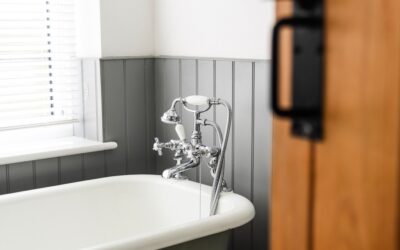
Knowing your bathtub faucet replacement parts is the first step to stopping an annoying drip, fixing weak flow, or repairing a diverter that will not send water to the showerhead. Most faucet problems come down to a single worn component — a cartridge, washer, O-ring, or valve seat — that costs a few dollars to replace, saving you the expense of a whole new faucet or a plumber’s visit.
Part of our Bathroom Remodeling & Flooring guide — explore the full guide →
This guide identifies the common parts, explains what each one does, helps you match parts to your faucet type, and walks through the basics of replacing them so you can tackle most repairs yourself.
- Common Faucet Parts and What They Do
- Identifying Your Faucet Type
- Matching the Right Replacement Part
- Tools You Will Need
- Replacing a Cartridge Step by Step
- Fixing Diverters and Leaky Seals
- Diagnosing Common Symptoms
- Preventing Premature Wear
- Where to Buy Replacement Parts
- Understanding Warranties
- When to Call a Professional
Common Faucet Parts and What They Do
A bathtub faucet is a small assembly of parts that control and direct water. When one wears out, leaks and drips follow. Knowing the players helps you diagnose the problem.
- Cartridge: The heart of most modern faucets, a cartridge controls water flow and temperature. A worn cartridge is the most common cause of dripping.
- Washers and O-rings: Rubber rings that create watertight seals. They harden and crack over time, causing leaks around the handle or spout.
- Valve seat: The surface a washer presses against in older compression faucets. A pitted seat causes persistent drips.
- Diverter: The mechanism that redirects water from the tub spout up to the showerhead. A failing diverter leaves water dribbling from the spout during a shower.
- Handle and trim: The visible parts you touch, which can loosen or corrode.
Identifying Your Faucet Type
Before buying parts, you must know which kind of faucet you have, because the internal components differ completely between types.
- Compression faucets: Older two-handle units that use washers and valve seats. You tighten them harder as they wear.
- Cartridge faucets: Common in single- and double-handle designs, using a replaceable cartridge.
- Ball and ceramic-disc faucets: Found in some single-handle models, with their own specialized parts.
Single-handle tub faucets almost always use a cartridge. Two-handle designs may be compression or cartridge. The brand and model, often stamped on the trim or handle, is the key to ordering the exact matching part.
Matching the Right Replacement Part
Faucet parts are not universal; a cartridge from one brand rarely fits another. Getting the match right avoids repeat trips to the store.
- Identify the manufacturer. Look for a logo on the handle, spout, or escutcheon plate.
- Find the model or series. Check paperwork, or remove the old part and take it with you.
- Bring the old part in. Matching the physical cartridge, washer, or O-ring by sight is the surest method.
- Consider a repair kit. Many brands sell kits with the cartridge, O-rings, and seals bundled together for a full refresh.
When in doubt, note every marking on the faucet and take a photo before heading to the hardware store or ordering online.
Tools You Will Need
Most faucet repairs require only basic hand tools, though a couple of specialty items help.
- Adjustable wrench and a set of screwdrivers
- Allen wrenches for set screws on handles
- A cartridge puller for stuck cartridges
- Plumber’s grease for lubricating O-rings and seals
- Plumber’s tape for threaded connections
- A rag and a small container to catch water
Having the right tools on hand prevents a stuck part from turning a quick fix into a frustrating afternoon.
Replacing a Cartridge Step by Step
A dripping single-handle tub faucet almost always means a worn cartridge. Here is the general process.
- Shut off the water to the tub, at a local valve or the main.
- Remove the handle, prying off the cap to reach the set screw, then pulling the handle free.
- Take off the trim and retaining clip holding the cartridge in place.
- Pull the old cartridge straight out, using a puller if it resists.
- Insert the new cartridge in the same orientation, replace the clip and trim, and reattach the handle.
- Turn the water back on slowly and test for drips and proper hot/cold operation.
Note the orientation of the old cartridge before removing it, since installing a new one backward reverses hot and cold.
Fixing Diverters and Leaky Seals
If water leaks from the tub spout while the shower runs, the diverter is failing. On spout-mounted diverters, the fix is often replacing the entire tub spout, which is a simple unthreading and re-threading job with fresh plumber’s tape. On built-in diverters, you may need a new diverter cartridge.
For leaks around the base of the handle or spout, worn O-rings are usually the culprit. Replace them with the correct size, lightly coat the new rings with plumber’s grease, and reassemble. This small step often cures a leak that seemed to demand a whole new faucet.
Diagnosing Common Symptoms
Matching the symptom to the failing part saves you from buying the wrong component. Most tub faucet complaints point clearly to one culprit once you know what to look for.
- Constant drip from the spout: Almost always a worn cartridge, or in compression faucets, a bad washer or pitted valve seat.
- Leak around the handle base: Usually cracked or hardened O-rings that need replacing.
- Water dribbling from the spout while the shower runs: A failing diverter that no longer seals.
- Weak or uneven flow: Mineral buildup in the cartridge or aerator, or a partially clogged component.
- Handle hard to turn or loose: A worn cartridge or stripped handle broach.
Working through these symptoms before shopping tells you exactly which part to buy and prevents repeat trips to the store.
Preventing Premature Wear
Faucet parts wear faster under certain conditions, and a few habits extend their life. Hard water is the biggest enemy, depositing minerals that abrade cartridges and clog passages.
- Address hard water with a softener or periodic descaling to slow mineral wear on internal parts.
- Do not overtighten handles when shutting off the water; forcing them crushes washers and seats prematurely.
- Lubricate seals with plumber’s grease whenever you service the faucet to keep O-rings supple.
- Fix drips promptly, since a small leak often signals early wear that is cheap to address before it worsens.
A little preventive care keeps the inexpensive internal parts working longer and spares you frequent repairs.
Where to Buy Replacement Parts
Sourcing the correct part is often the trickiest step, since faucet components are brand-specific. Knowing where to look saves time and frustration.
- Home improvement stores: Carry common cartridges, washers, and O-rings for major brands, and staff can help match by sight if you bring the old part.
- Manufacturer directly: The surest source for an exact cartridge or repair kit, and many brands offer free replacement parts under lifetime warranties.
- Plumbing supply houses: Stock a deeper range of parts, including for older or less common faucets.
- Online retailers: Convenient when you know the exact model number, with a wide selection of kits and individual pieces.
Always confirm the brand and model before ordering, and when possible buy a complete repair kit so you replace all the wear parts at once rather than returning for a second component.
Understanding Warranties
Many faucet manufacturers back their products with generous warranties that can save you money on parts. It is worth checking before you buy anything.
A number of brands offer lifetime limited warranties covering the finish and function, which frequently includes free replacement cartridges and seals for the original owner. To claim one, you typically need the model number and, sometimes, proof of purchase. Even if you install the part yourself, the free component offsets the cost of a repair. Registering a new faucet when you install it makes future warranty claims smoother, and keeping the model information somewhere accessible means you are ready the next time a part wears out.
When to Call a Professional
Most parts replacements are well within DIY reach, but a few situations call for a plumber. If the valve body itself is corroded or cracked, if you cannot shut off the water, or if the faucet is an old, obscure model with no available parts, professional help is the wiser route. Repairs behind a tiled wall that require opening the wall are also better left to a pro.
For everyday drips and diverter failures, though, matching the correct bathtub faucet replacement parts and swapping them yourself is a fast, inexpensive fix that restores smooth operation and stops the steady waste of water and money that a leaky faucet quietly causes.