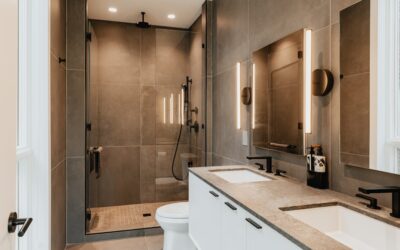
The tub you never use is prime bathroom real estate. Swapping it out is one of the most requested renovations for aging homeowners, busy families, and anyone who values a quick daily shower over a soak they rarely take. A bathtub to walk in shower conversion opens up floor space, modernizes a dated bathroom, and can dramatically improve accessibility and safety. This guide walks through the real costs, timeline, plumbing considerations, resale trade-offs, and the step-by-step process so you know exactly what you are getting into.
Part of our Bathroom Remodeling & Flooring guide — explore the full guide →
Why Convert a Tub to a Walk-In Shower
There are several strong motivations, and most homeowners have more than one:
- Accessibility and safety: stepping over a high tub wall is a leading cause of bathroom falls. A low-threshold or curbless shower removes that hazard, which matters more with every passing year.
- Space and openness: a glass-walled shower makes a small bathroom feel larger and brighter than a bulky tub-and-curtain setup.
- Daily practicality: if nobody in the household actually takes baths, the tub is wasted square footage.
- Modern appeal: a tiled walk-in shower with a frameless glass panel reads as a premium, updated space.
What It Costs
Conversion cost varies enormously with the materials and how much plumbing moves. Broad ranges to plan around:
- Basic prefab conversion: roughly $3,000 to $7,000. This uses an acrylic or fiberglass shower pan and wall surround dropped into the existing tub footprint with minimal plumbing changes.
- Mid-range tiled conversion: about $7,000 to $12,000, with a custom-tiled surround, new glass, and a proper waterproofed base.
- High-end custom shower: $12,000 to $20,000 or more, involving relocated plumbing, curbless entry, niche shelving, bench seating, premium tile, and frameless glass.
The biggest cost drivers are moving the drain, tiling versus prefab, glass enclosure choice, and whether walls need to be opened for new valves. Labor is a large share of the total, so regional rates matter.
Plumbing: The Part That Drives the Budget
A tub and a shower do not share the same drain location. A tub drains near one end where you sit; a shower drains at the center or along one side. Relocating that drain is the single most important plumbing task in a conversion.
If your bathroom has a crawlspace or basement below, moving the drain is relatively straightforward because a plumber can access the pipes from beneath. On a concrete slab, the drain relocation requires cutting into the slab, which adds significant labor and cost. This is why slab-on-grade homes often use prefab pans designed to work with the existing drain position.
You will also convert the tub filler and shower valve into a single shower valve. Modern showers commonly use a pressure-balancing or thermostatic valve to prevent scalding when someone flushes a toilet elsewhere in the house. Opening the wall to install the new valve is standard on all but the simplest swaps.
The Step-by-Step Process
- Demolition: the old tub, surround, and any damaged backer board come out. Cast-iron tubs are heavy and often cut into pieces for removal.
- Rough plumbing: the drain is relocated to the new shower position and the shower valve is installed in the wall.
- Framing and blocking: walls are prepped, and blocking is added for grab bars, benches, and glass anchors so they have solid backing.
- Waterproofing and base: a shower pan is set — either a prefab acrylic base or a mortar bed with a waterproof membrane for tile.
- Wall surface: cement board and waterproofing go up, then tile or a solid surround is installed.
- Glass and fixtures: the shower door or fixed glass panel is installed, along with the showerhead, valve trim, and any accessories.
- Finishing: grout is sealed, silicone is applied at seams, and the space is cleaned and tested for leaks.
A straightforward conversion takes about 3 to 5 working days; a custom tiled shower with drain relocation can run 1 to 2 weeks including cure times for mortar and grout.
Prefab vs. Custom Tile
The core decision is between a prefab surround and a fully tiled shower, and each has real trade-offs.
Prefab acrylic or fiberglass is faster, cheaper, seamless, and easy to clean with no grout to maintain. The downside is a more generic look and limited size and color options. It is the value choice and holds up well.
Custom tile offers unlimited design freedom — natural stone, large-format porcelain, mosaic accents, niches, and benches. It looks more premium and adds more resale appeal, but it costs more, takes longer, and the grout requires periodic sealing and cleaning to prevent mildew.
Accessibility Features Worth Adding
If safety or aging-in-place is part of your motivation, build these in while the walls are open:
- Curbless or low-threshold entry so there is nothing to trip over or step across.
- Grab bars anchored to solid blocking, not just drywall anchors.
- A built-in or fold-down bench for seated showering.
- A handheld showerhead on a slide bar for flexible, seated use.
- Slip-resistant floor tile with a textured surface and small tiles for more grout traction.
Resale: Does Removing a Tub Hurt Value?
This is the most debated question. The general rule real estate agents follow is that a home should keep at least one bathtub — usually in a bathroom used by children or as a secondary bath — because families with young kids often want one. Removing the only tub in a house can narrow your buyer pool.
However, converting a rarely-used tub in a primary or secondary bathroom to a beautiful walk-in shower, while keeping a tub elsewhere in the home, is generally a net positive for value and marketability. A spa-like walk-in shower is a strong selling feature. The key is context: know how many tubs your home has and who your likely buyers are before removing your last one.
DIY or Hire a Professional?
A tub-to-shower conversion sits at the harder end of DIY because it combines plumbing, waterproofing, and tile — three trades where mistakes are expensive and hidden until they cause water damage. Confident DIYers can handle a prefab conversion where the drain does not move much, but relocating a drain, especially in a slab, and waterproofing a custom tiled base are jobs where a licensed plumber and experienced tile setter earn their fee. A failed waterproofing job leaks into the structure below and costs far more to fix than it saved. For most homeowners, hiring a pro for the plumbing and waterproofing — even if you tackle demolition or finishing yourself — is the safest path to a shower that stays watertight for decades.
Permits and Inspections
Do not overlook the paperwork. Because a conversion involves moving plumbing and often altering the drain, most jurisdictions require a permit. A permitted job means an inspector verifies the drain, valve, and waterproofing meet code — which protects you if you ever sell the home, since unpermitted bathroom work can complicate a sale or appraisal. Reputable contractors pull the permit as a matter of course. If you go the DIY route, check with your local building department before starting; skipping a required permit can mean tearing finished work back open later.
Inspections typically happen in stages: a rough-in inspection after the plumbing is run but before walls are closed, and a final inspection once everything is finished. Building the flood test into your schedule aligns nicely with the rough-in stage.
Frequently Asked Questions
How long will I be without the bathroom? A prefab conversion is often usable within a few days; a custom tiled shower can take one to two weeks including cure times for mortar and grout. Plan alternate bathing arrangements accordingly.
Can I reuse the existing plumbing? Partially. The supply lines usually stay, but the drain almost always moves from the tub position to the shower center or side, and the tub filler is converted to a single shower valve.
Does a walk-in shower use more water than a tub? A quick shower uses far less water than filling a tub, though a long shower with a high-flow head can even out. For most daily routines, the shower is the more efficient choice.