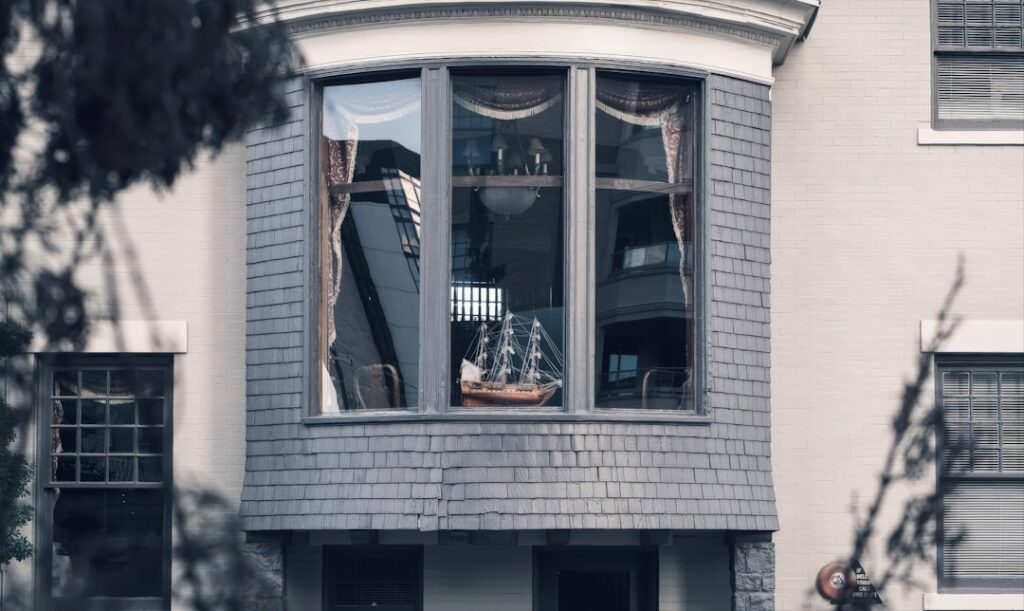
A bay window is one of the most striking features a home can have, projecting out from the wall to flood a room with light and create a cozy nook, but it is also one of the more involved windows to replace. Bay window replacement costs more than swapping a flat window because a bay is actually multiple windows joined into a projecting unit that must be structurally supported, sealed, and often re-roofed on its small top. Understanding the price ranges, the process, and the structural realities helps you plan the project and avoid surprises.
Part of our Windows & Doors guide — explore the full guide →
- Bay Window Replacement: What Makes a Bay Window Different
- Realistic Cost Ranges
- Why Bay Windows Cost More to Replace
- The Structural Support Question
- The Replacement Process
- Materials and Energy Efficiency
- Is This a DIY Job?
- Getting the Most Value
- Bay Versus Bow: Choosing the Style
- Interior Finishing and the Window Seat
- Maintenance and Longevity
- The Bottom Line
Bay Window Replacement: What Makes a Bay Window Different
A bay window is not a single pane; it is an assembly. The classic bay combines a large fixed center window flanked by two side windows set at an angle, typically 30, 45, or 90 degrees, so the whole unit juts outward from the wall. This projection creates an interior ledge deep enough for a seat, plants, or display, and it captures light from three directions. Because the unit extends beyond the wall plane, it needs a small roof on top, a finished bottom or soffit, insulation, and structural support to carry its weight, none of which a flat window requires.
People sometimes confuse bay and bow windows. A bay uses typically three windows at sharp angles for an angular projection, while a bow uses four or more windows in a gentle curve. Both project outward and both cost more than flat windows for the same reasons.
Realistic Cost Ranges
Bay window replacement is a significant investment. The window unit itself commonly runs $1,000 to $4,000 depending on size, materials, and quality, and installed costs, including labor, structural work, and finishing, typically land between $2,000 and $7,000, with high-end or complex jobs exceeding that.
- Window unit only: $1,000 to $4,000.
- Standard installed replacement: $2,500 to $5,500.
- Complex jobs (new opening, structural work, custom sizes): $6,000 to $10,000 or more.
The wide range reflects how much the surrounding work varies. A straightforward like-for-like replacement into an existing, sound bay opening is at the lower end. Enlarging the opening, adding structural support, re-roofing the bay top, or repairing rot pushes costs up quickly.
Why Bay Windows Cost More to Replace
Several factors drive the higher price. The unit weighs far more than a flat window because it is several windows plus framing, so it needs proper support. Installation is more labor-intensive, often requiring multiple installers to safely handle and set the heavy projecting assembly. The bay’s small roof and bottom must be flashed, insulated, and finished to keep water out. And because the unit projects outward and carries weight, it typically requires support cables from above or a knee-brace or corbel support from below to keep it from sagging over time. All of this adds labor and materials beyond a simple flat window swap.
The Structural Support Question
This is the detail that separates a lasting bay installation from a sagging one. Because the window projects out and carries its own weight plus any load on the seat, it must be supported. Support comes in two main forms: cables or a support system anchored into the framing above that suspend the unit from the header, and brackets, corbels, or knee braces beneath that hold the unit from below. Many bays use both. A properly supported bay stays true for decades; an under-supported one droops, and the drooping causes gaps, air leaks, and operating problems. Confirm your installer addresses support explicitly.
The Replacement Process
- Assessment and measurement. A pro evaluates the existing opening, the support, the condition of the framing, and whether there is any rot or water damage to address.
- Ordering. Bay windows are usually custom-sized, so expect a lead time of several weeks for manufacturing.
- Removal. The old unit comes out, exposing the opening, and any rotted framing or sill is repaired.
- Structural prep. Support is installed or verified, and the opening is prepared to carry the new unit.
- Setting the unit. The new bay is positioned, leveled, and secured, often with several people because of the weight.
- Sealing and finishing. The bay roof is flashed and roofed, the bottom is insulated and finished, and the exterior is trimmed and sealed against water.
- Interior finishing. Trim, the interior seat board, and paint complete the job.
Materials and Energy Efficiency
Bay windows come in vinyl, wood, fiberglass, and composite frames. Vinyl is the most affordable and low-maintenance. Wood offers warmth and a traditional look but needs upkeep. Fiberglass and composite are durable and stable. Because a bay has a lot of glass and a projecting structure with a roof and floor, energy performance matters a great deal; look for double or triple-pane glass with low-E coatings and good insulation in the roof and seat cavity, because a poorly insulated bay becomes a cold, drafty spot in winter. Proper insulation of the top and bottom is as important as the glass itself.
Is This a DIY Job?
For most homeowners, bay window replacement is not a DIY project. The weight, the structural support requirements, the roofing and flashing on the bay top, and the precise sealing to prevent water intrusion all demand experience and usually more than one person. A mistake here leaks water into the wall or leaves the unit sagging, both expensive to fix. This is a job to hire out to a qualified window installer or contractor. Where DIY makes sense is the interior finishing, building a custom seat cushion, adding trim, or painting, after the professional installation is complete.
Getting the Most Value
To get a lasting result, choose an installer experienced specifically with bay and bow windows, confirm the support system is properly engineered, insist on quality flashing and insulation of the roof and bottom, and specify energy-efficient glass. Get multiple quotes, because pricing varies widely, and make sure each quote spells out the structural and finishing work rather than just the window unit. Ask about the warranty on both the window and the installation labor, since water intrusion issues often show up later.
Bay Versus Bow: Choosing the Style
If you are replacing a bay, it is worth considering whether a bay or a bow better suits your home before you order. A bay window, with its typically three windows meeting at sharp angles, creates a bold, angular projection and a defined interior ledge, and it tends to look at home on traditional, Victorian, and craftsman houses. A bow window uses four, five, or six windows in a gentle arc, creating a softer, rounded projection that suits more classic and elegant facades and admits light across a wider sweep. Bows generally cost more because they use more window units, and they project less deeply but wider. If you love your existing bay’s deep seat, stay with a bay; if you want a gentler curve and more glass, a bow is the alternative. Either way, the structural and sealing considerations are similar.
Interior Finishing and the Window Seat
One of the joys of a bay window is the interior nook it creates, and finishing that space well transforms it from an afterthought into a favorite spot in the house. The interior seat board can be finished in wood, painted trim, or even topped with a custom cushion to create a reading nook or a window seat. Some homeowners build storage into the base beneath the seat, taking advantage of the depth. Insulating that seat cavity properly is critical, because an uninsulated bay bottom becomes a cold surface that can feel drafty and even collect condensation in winter. Plan the interior finish, whether a simple trimmed ledge or a full cushioned seat with storage, as part of the project so the beautiful exterior projection is matched by an inviting interior.
Maintenance and Longevity
A well-installed bay window lasts as long as any quality window, but the projecting design has a few extra maintenance points. Keep the small roof over the bay clear of debris and check its flashing periodically, since this is the most common spot for leaks to develop over time. Inspect the caulk and seals around the exterior of the unit every year or two and reseal as needed to keep water out. Watch for any sign of sagging, which indicates the support system needs attention before it causes bigger problems. With vinyl or fiberglass frames the upkeep is minimal beyond this, while wood frames need periodic painting or sealing. Attentive maintenance of the roof, flashing, and support keeps a bay window performing and looking its best for decades.
The Bottom Line
Bay window replacement is a larger, more expensive project than a standard window swap, typically running $2,500 to $7,000 installed, because a bay is a heavy, projecting assembly that needs structural support, a weathertight roof, and careful insulation. The payoff is substantial: more natural light, a sense of expanded space, a charming interior nook, and strong curb appeal that many buyers love. Hire an experienced installer, confirm the support and sealing are done right, choose efficient glass, and your new bay window will be a bright, beautiful centerpiece that holds up for decades.