Loose substrate impaction remains one of the most common preventable health issues in captive bearded dragons, and the right enclosure floor eliminates the risk entirely. Choosing bearded dragon flooring means balancing safety, cleanability, traction for proper limb development, and heat conduction for basking. Sand looks natural in photos but causes vet bills. After consulting with reptile keepers and exotic vets across multiple breeders, the safe substrate list is shorter than most pet-store displays suggest. This guide breaks down every viable option and the ones to avoid.
Why Substrate Choice Matters for Health
Bearded dragons hunt by lunging at insects, and they often swallow whatever surface the prey is sitting on. Loose particles smaller than 1/4 inch can accumulate in the digestive tract and cause impaction — a blockage that requires veterinary intervention and can be fatal in juveniles. Calcium sand, walnut shell, and crushed corncob are sold as reptile substrate but are responsible for the majority of impaction cases reported to exotic vets.
The second concern is hygiene. Loose substrates trap urates, fecal matter, and uneaten insects, breeding bacteria that cause respiratory and skin infections. Solid surfaces clean in minutes; loose substrate replacement takes 30 to 45 minutes weekly.
Safe Solid Substrate Options
Five solid substrate categories are widely considered safe for bearded dragons of all ages:
- Ceramic or slate tile — non-toxic, conducts basking heat well, files nails naturally. $1 to $3 per sq ft.
- Sealed shelf liner (non-adhesive) — textured PVC, washable, $5 to $12 per 4×5 foot enclosure.
- Paper towel — ideal for juveniles and quarantine, free to $15 per month.
- Newspaper or butcher paper — cheap and disposable, less texture than paper towel.
- Reptile carpet (specific brands only) — Zilla Terrarium Liner is acceptable; loose-fiber carpets are not.
For adult dragons in display setups, slate or ceramic tile is the gold-standard substrate. The thermal mass also stabilizes basking temperatures.
Choosing and Installing Tile
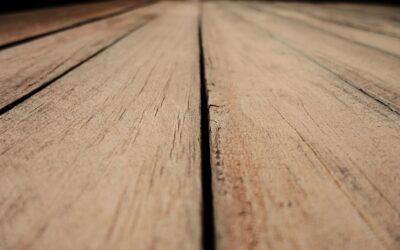
Slate is the preferred tile choice because it heats evenly without hot spots, has natural texture for nail wear, and looks closer to a wild basking rock than any commercial product. Buy 12×12 inch unglazed slate tile from a flooring store, not a pet store — same product, one-third the price.
For a standard 4×2 foot 40-gallon enclosure, you need eight 12×12 tiles, cut with a wet saw for the back corners. Lay them dry over a thin layer of reptile-safe silicone caulk to prevent shifting. Avoid grout — it traps urates and is impossible to fully sanitize.
Substrates to Avoid Completely
The pet store substrate aisle is the most dangerous shelf in the building for bearded dragon owners. Avoid these without exception:
- Calcium sand — marketed as digestible but causes severe impaction; calcium binds with stomach acid into hard masses
- Walnut shell — sharp edges cause internal damage even before impaction
- Crushed corncob — molds rapidly when wet, harbors mites
- Cedar or pine shavings — aromatic oils cause respiratory and liver damage
- Alfalfa pellets — rehydrate and ferment in the gut
Play sand and washed silica sand are debated. Most modern keepers reserve any loose substrate for adults over 16 inches with established feeding habits, and only in bioactive setups with cleanup crews.
Bioactive Setups — A Separate Conversation
Bioactive enclosures use a layered substrate of organic topsoil, play sand, and excavator clay seeded with isopods and springtails. Done correctly, this mimics the natural Australian arid environment and processes waste biologically. Done incorrectly, it amplifies every problem of loose substrate.
Bioactive is appropriate only for adult dragons in enclosures 4x2x2 feet or larger, with a 4 to 6 inch substrate depth, proper drainage layer, and full UVB and basking gradient. Budget $200 to $400 in substrate materials for a starter bioactive setup.
Cleaning and Maintenance by Substrate Type
Solid substrates make weekly maintenance straightforward. For tile, spot-clean daily with reptile-safe disinfectant (F10 SC or chlorhexidine-based products at 1:200 dilution). Full enclosure cleaning monthly involves pulling tiles, washing with hot water and dish soap, and a 10-minute disinfectant soak.
Paper towel changes every 2 to 3 days. Reptile carpet washes in hot water with no detergent — rotate two pieces so one is always clean and dry while the other is in use. Replace reptile carpet every 6 months or sooner if frayed.
Cost Breakdown for a Standard Enclosure
Initial substrate cost for a 4×2 foot enclosure varies widely by choice:
- Slate or ceramic tile: $15 to $30 one-time, lasts the lifetime of the enclosure
- Reptile carpet (two pieces): $25 to $40 initial, $25 to $40 every 6 months
- Paper towel: $8 to $15 per month ongoing
- Bioactive starter kit: $200 to $400 initial, minimal ongoing if balanced
Tile delivers the lowest lifetime cost and highest safety profile for most keepers, which is why experienced breeders almost universally specify it for display enclosures.
Heat, Lighting, and Substrate Interaction
Substrate choice affects how basking temperatures distribute across the enclosure. Slate tile holds heat from a basking bulb and creates a warm thermal mass that supports proper digestion. Paper towel offers no thermal storage, so the dragon must remain directly under the bulb for thermoregulation. Reptile carpet falls in between, offering minor thermal retention with insulation against the cool glass bottom.
Aim for basking surface temperatures of 100 to 110°F for adults and 105 to 115°F for juveniles, measured at the substrate surface with an infrared thermometer (Etekcity 1080 or similar, around $25). Cool side surface temperatures should run 75 to 85°F. Adjust bulb height rather than wattage to fine-tune. Tile substrates typically require lowering the basking bulb 1 to 2 inches versus paper-towel setups to achieve identical surface readings.
Prefer to explore on your own?
See how new flooring looks in your actual room in seconds — free, no signup.
Try the free Floor Studio →