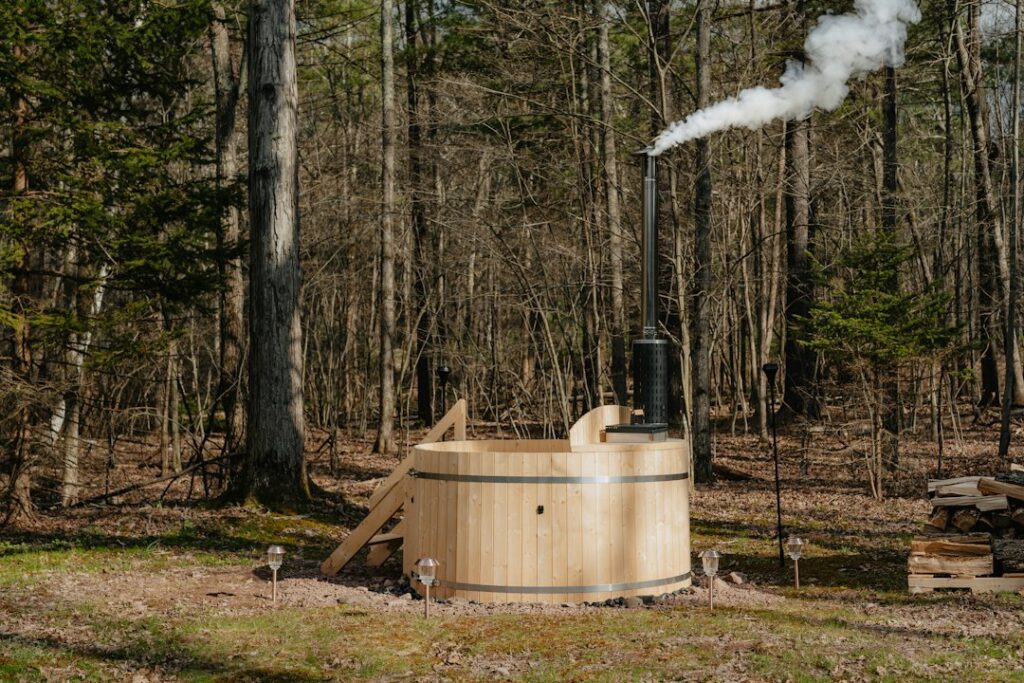
A backyard soak doesn’t have to cost as much as a used car. The truth most retailers won’t lead with is that the best affordable hot tub for one household can be a poor fit for another, because “affordable” covers everything from a $400 inflatable to a $4,000 entry-level acrylic shell. What separates a smart buy from a money pit isn’t the sticker price alone. It’s how the tub matches your climate, your electrical setup, and how often you’ll actually use it.
- Inflatable vs. Hard-Shell: The Real Trade-Off
- What "Affordable" Actually Buys You
- Running Costs Are the Hidden Price Tag
- GFCI and Electrical Safety: Non-Negotiable
- Site Prep: Don't Skip the Foundation
- How to Choose the Best Affordable Hot Tub for You
- Smart Shopping Tips Before You Buy
- Features Worth Paying a Little More For
- Maintenance Time and Effort
- The Bottom Line
Inflatable vs. Hard-Shell: The Real Trade-Off
Inflatable hot tubs are the cheapest way to get warm water in your yard. They pack into a box, inflate in about 15 minutes, and most run on a standard 120-volt outlet, which means no electrician required. The catch is performance. Many inflatable models can only heat OR run the jets at the same time, not both, and the bubble jets are a soft massage rather than the targeted hydrotherapy you get from a rigid tub.
Hard-shell tubs, even budget ones, hold heat better thanks to insulated cabinets and covers. They run quieter, the seats are contoured, and the pumps push real pressure. The downside is weight, a higher upfront cost, and many require a 240-volt dedicated circuit. If you want a four-season tub in a cold climate, the extra insulation of a hard shell usually pays for itself in lower heating bills.
What “Affordable” Actually Buys You
- Entry inflatable ($350–$900): 2–4 person capacity, 120V plug-and-play, bubble jets, slower reheating.
- Premium inflatable ($900–$1,500): Better insulation, hydrojets in addition to bubbles, sturdier liners.
- Budget hard-shell ($2,000–$4,500): Rotomolded or thin acrylic shell, 2–5 seats, modest jet count, often 240V.
Capacity is where people overspend. A “6-person” rating usually assumes everyone is seated shoulder to shoulder. For a couple or a small family, a true 2- to 4-person tub heats faster, uses less water, and costs less to run.
Running Costs Are the Hidden Price Tag
The purchase price is only the beginning. Electricity is the biggest ongoing expense, and it depends on your climate, water temperature, and how well the tub is insulated. As a rough guide, a well-covered hard-shell tub in a mild climate might add somewhere in the range of $20 to $50 per month to your power bill, while an inflatable tub left outside through a cold winter can cost considerably more because it fights to hold heat. Check your local electricity rate, then assume frequent reheating in cold weather will be your single largest cost.
Other recurring costs add up too: chlorine or bromine sanitizer, pH balancers, replacement filter cartridges every one to three months, and the occasional drain-and-refill. Budget a modest monthly amount for chemicals and filters so the total cost of ownership doesn’t surprise you.
GFCI and Electrical Safety: Non-Negotiable
Water and electricity are a dangerous mix, so safety here is not optional. Any 240V hard-shell tub must be wired to a dedicated, GFCI-protected circuit by a licensed electrician, and that work needs to follow your local electrical code. A GFCI (ground-fault circuit interrupter) cuts power in a fraction of a second if it senses current leaking to ground, which is exactly the protection you want around a tub full of water.
For 120V inflatable models, the unit typically comes with a built-in GFCI plug. Plug it directly into a properly grounded outdoor outlet, never into an extension cord or a standard indoor receptacle. If your outdoor outlet isn’t already GFCI-protected, have one installed. When in doubt, get an electrician to confirm your setup is rated for the load and weatherproofed.
Site Prep: Don’t Skip the Foundation
A filled hot tub is extremely heavy because water weighs roughly 8.3 pounds per gallon, and even a small tub holds a couple hundred gallons. That weight has to sit on something level and load-rated. Inflatable tubs need a flat, smooth surface and a ground cloth to protect the floor. Hard-shell tubs need a poured concrete pad, reinforced deck, or manufacturer-approved spa base. Setting any tub on bare grass or an uneven patio invites stress cracks, drainage problems, and pump damage.
How to Choose the Best Affordable Hot Tub for You
Start with how you’ll use it. If you want occasional relaxation in warm months and easy storage, an inflatable is the most affordable hot tub path and the lowest commitment. If you want reliable year-round soaking and stronger jets, stretch the budget toward a budget hard-shell and factor in the electrician’s fee.
Match capacity to your real household, not the maximum on the box. Confirm what voltage the model needs before you buy, so you aren’t blindsided by a wiring bill. And read the warranty: budget tubs vary widely, with some inflatables offering as little as 90 days on the pump and better hard-shells covering the shell for years.
Smart Shopping Tips Before You Buy
- Buy in the off-season. Late fall and winter often bring the steepest discounts on spas.
- Prioritize insulation and a tight-fitting, locking cover. They cut heating costs and improve safety.
- Check filter cartridge availability and price. A cheap tub with hard-to-find filters gets expensive fast.
- Read recent owner reviews for the exact model. Look for patterns about pump failure or heating speed.
- Confirm return and warranty terms in writing before purchase.
Features Worth Paying a Little More For
Within any budget, a few features deliver outsized value. A locking, well-fitting insulated cover is the most important, because it slashes heat loss and keeps kids and debris out. Prioritize it over flashier extras like lights or speakers. A built-in water-treatment system, such as a saltwater or ozone option, can cut how much chlorine you handle, though it adds cost. Look for a tub with a real filtration system and an easy-to-reach filter, since clean water means fewer chemicals and less frequent draining.
Jet quality matters more than jet quantity. A handful of well-placed, adjustable hydrojets beats a marketing-friendly count of weak nozzles. If you have any back or joint issues, sit in a display model before buying. Comfort is hard to judge from a spec sheet, and a tub you actually enjoy using is the one that earns its keep.
Maintenance Time and Effort
An affordable tub still needs routine care, and underestimating that effort leads to cloudy, neglected water. Plan to test and balance the water a couple of times a week, add sanitizer as needed, rinse or replace filters on schedule, and fully drain and refill every few months. Inflatable models often need more frequent attention because they hold less water and heat is harder to maintain. None of this is difficult, but factor a few minutes of weekly upkeep into your decision so the tub stays a pleasure rather than a chore.
The Bottom Line
The best affordable hot tub is the one that fits your climate, your electrical capacity, and your honest usage habits, not just the lowest price you can find. An inflatable wins on upfront cost and flexibility, while a budget hard-shell wins on durability and four-season performance. Whichever you choose, get the GFCI protection right, prep a solid base, and plan for the running costs. Do that, and a backyard soak becomes one of the better-value upgrades you can add to your home.