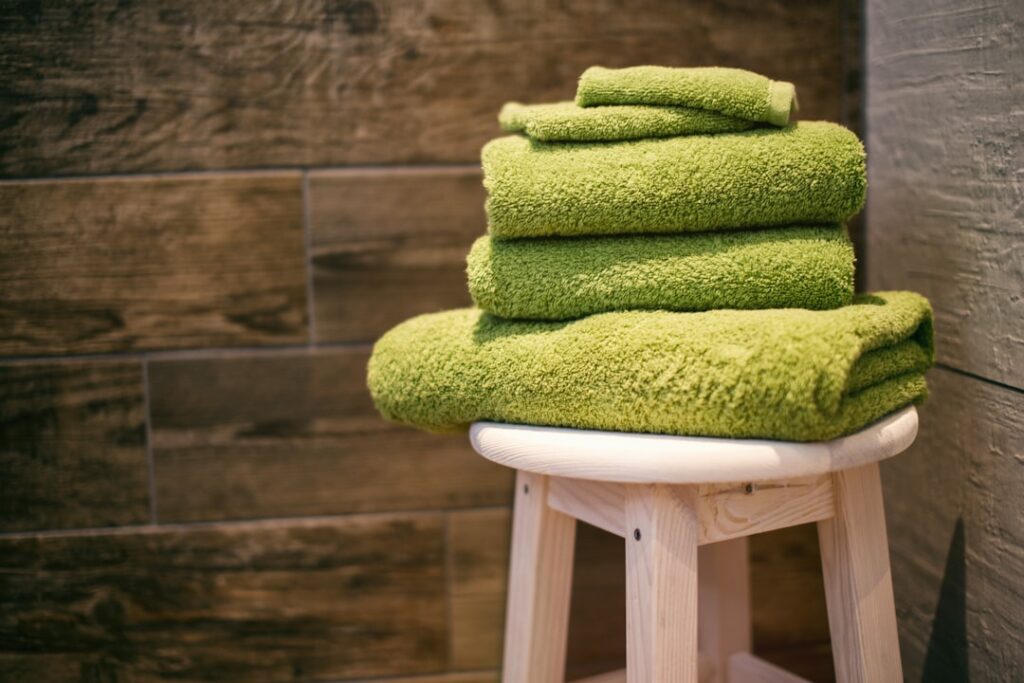
A great towel does not have to come with a luxury price tag. The difference between a towel that stays soft and absorbent for years and one that goes scratchy and thin after a few washes comes down to a handful of measurable factors, not the brand on the label. Knowing how to read those factors lets you find the best affordable towels without overpaying. This guide breaks down what actually makes a towel good, which specs to check, and how to make budget towels last.
The Most Important Spec: GSM
GSM, or grams per square meter, measures a towel’s density and weight. It is the single most useful number for judging quality, and it tells you more than price ever will:
- 300 to 400 GSM: Lightweight and quick-drying. Good for the gym, the kitchen, or travel, but thinner and less plush.
- 400 to 600 GSM: The sweet spot for everyday bath towels. Soft, absorbent, and still reasonably quick to dry.
- 600 to 900 GSM: Thick, plush, and spa-like, but heavier, slower to dry, and usually pricier.
For affordable everyday towels, aim for the 450 to 600 GSM range. You get plenty of softness and absorbency without paying for the bulk of ultra-heavy towels that take forever to dry.
Cotton Type Matters
Most quality towels are cotton, but not all cotton is equal. Longer fibers create smoother, stronger, more absorbent towels. Common types you will see include:
- Standard cotton: Affordable and perfectly serviceable, especially at a good GSM.
- Long-staple cotton: Longer fibers mean fewer loose ends, so towels stay smoother and resist pilling.
- Combed cotton: A process that removes short fibers, producing a stronger, softer towel without a big price jump.
You do not need the most expensive premium cotton to get a great towel. A combed or long-staple cotton at a mid-range GSM often outperforms a flimsy luxury-branded towel at twice the cost.
Weave and Construction
How a towel is woven affects feel and durability. Terry cloth, the classic looped weave, is the most common and offers high absorbency thanks to all those loops grabbing water. Tightly woven, densely looped towels last longer and shed less. Check the hems too: double-stitched or reinforced hems resist fraying and unraveling, which is often the first thing to fail on cheap towels. Run your hand along the edge; a flimsy single-stitched hem is a sign of corners being cut.
Absorbency vs. Quick Drying
There is a natural trade-off between plushness and drying speed. A thick, high-GSM towel feels luxurious but stays damp longer, which can lead to that musty smell if it does not dry fully between uses. A lighter towel dries fast but feels less indulgent. For most households, a mid-weight towel balances the two. If you live in a humid climate or have limited airflow in your bathroom, lean toward a slightly lower GSM so towels dry completely.
Where to Find Value
Affordable does not mean low quality if you shop smart. Store brands and house lines from major retailers frequently offer towels with excellent GSM and construction at a fraction of designer prices. Buying towels in multipacks or sets usually lowers the per-towel cost. Shopping end-of-season sales and white or neutral colors, which are almost always the cheapest and easiest to bleach clean, stretches your budget further. Always check the GSM and material rather than relying on price as a quality signal.
Care Tips to Make Them Last
How you wash towels affects their lifespan and softness as much as the towels themselves. A few habits keep budget towels feeling new:
- Wash new towels before first use to remove manufacturing finishes that reduce absorbency.
- Skip fabric softener, which coats fibers and actually reduces absorbency over time. Add a half cup of white vinegar occasionally instead to keep towels soft and odor-free.
- Use less detergent than you think you need; excess detergent leaves residue that stiffens towels.
- Avoid overloading the dryer so towels can fluff fully, and remove them while slightly damp to prevent over-drying.
- Wash in warm rather than hot water to protect fibers, and shake towels out before drying to restore loft.
How Many Towels Do You Need?
A practical rule is three bath towels per person, which lets one be in use, one in the laundry, and one ready. Adding a few hand towels and washcloths rounds out a set. Buying a coordinated multipack at once ensures everything matches and ages at the same rate, which looks tidier than a mismatched collection accumulated over years.
Cotton Blends and Alternatives
While pure cotton is the standard, a few alternatives are worth knowing. Cotton-polyester blends cost less and dry faster, though they sacrifice some absorbency and that plush all-cotton feel. Microfiber towels are inexpensive, lightweight, and quick-drying, which makes them popular for the gym and travel, but they feel different from traditional terry and are less absorbent for full-body drying. Bamboo-derived rayon towels are marketed as soft and eco-friendly; they can feel luxurious but vary widely in quality. For everyday bath towels, a well-made cotton remains the most reliable value, but blends and microfiber have their place for specific uses.
Spotting a Bad Towel Before You Buy
A few quick checks save you from a disappointing purchase. Feel the weight in your hand; a quality towel has noticeable heft for its size. Inspect the hems for double stitching and look for loose threads, which signal cut corners. Be wary of towels that feel unusually slick or stiff out of the package, since heavy finishes can mask poor fibers and wash out to reveal a thin, scratchy towel underneath. If a towel feels papery or see-through when held up to light, the GSM is too low for a satisfying bath towel no matter how cheap the price.
Final Thoughts
The best affordable towels are not about finding a magic brand; they are about reading the specs. Target 450 to 600 GSM in combed or long-staple cotton with reinforced hems, buy in sets, and care for them properly by skipping softener and not over-drying. Check the weight and hems before buying, and you will get soft, absorbent towels that hold up for years without spending anywhere near luxury prices.