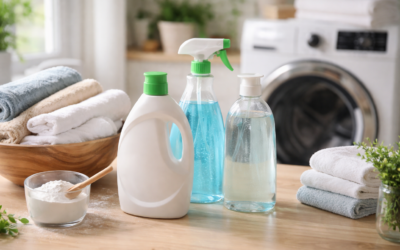
Standard laundry detergent washes off dirt and breaks down body oils. It does not reliably kill fungal spores. If you live with athletes foot, ringworm, jock itch, or a candida-prone child or pet, you need a detergent or laundry additive with an active antimicrobial ingredient. The best antifungal laundry detergent options combine surfactants for cleaning with proven antifungal compounds like benzalkonium chloride, hydrogen peroxide, hypochlorite, or thymol. The picks below stand out.
- What Makes a Detergent Actually Antifungal
- 1. Lysol Laundry Sanitizer (Premium Pick)
- 2. OxiClean Versatile Stain Remover
- 3. Pine-Sol Multi-Surface Cleaner
- 4. Clorox Regular Bleach for Whites
- 5. Defense Soap Body Wash (Used as Additive)
- 6. Tide Hygienic Clean Heavy Duty
- 7. Borax Plus Hot Water (Budget Pick)
- Wash Cycle Settings That Help the Detergent Work
- Targeting Specific Fungal Problems
- Frequently Asked Questions
What Makes a Detergent Actually Antifungal
Marketing claims of antibacterial or antimicrobial action mean little without an EPA-registered active ingredient. The ingredients that have peer-reviewed antifungal data:
- Benzalkonium chloride (BAC) at 0.13 percent or higher
- Sodium hypochlorite (chlorine bleach) at 0.5 percent
- Hydrogen peroxide at 1.5 percent or higher
- Pine oil at 80 percent or higher concentration
- Thymol from thyme oil, EPA-registered at 0.05 percent
- Quaternary ammonium compounds (quats)
Tea tree oil shows good lab data against Candida and Trichophyton but is not EPA-registered as a disinfectant in laundry use. It supplements rather than replaces a registered antifungal.
1. Lysol Laundry Sanitizer (Premium Pick)
Lysol Laundry Sanitizer at $9 to $13 for 90 oz uses 2.99 percent BAC and is EPA-registered to kill 99.9 percent of bacteria, viruses, and fungi including Trichophyton mentagrophytes (athletes foot) and Candida albicans. Add 2 caps to the fabric softener compartment or the rinse cycle. Works in cold water, which most other antifungals do not.
This is the product most dermatologists actually recommend by name. The downside is the perfume is strong and lingers. Unscented versions exist but are harder to find in stores.
2. OxiClean Versatile Stain Remover
OxiClean uses sodium percarbonate, which releases hydrogen peroxide on contact with water. At $9 to $14 for 7.22 lbs, it is the best per-load value and kills fungal spores at concentrations above 1.5 percent. Use 1 scoop per load in addition to your regular detergent, and run a hot water cycle for best fungal kill.
Color safe and effective on whites with bleach activators. Works well for kids’ laundry, towels, and bedding. The active oxygen kicks in around 90°F and peaks at 130°F.
3. Pine-Sol Multi-Surface Cleaner
Original Pine-Sol at $5 to $8 per 48 oz bottle contains 8.75 percent pine oil. While not labeled for laundry, dermatology references and Cleveland Clinic guidance suggest adding 1/2 cup to a hot-water wash cycle for items contaminated with ringworm or athletes foot.
The original brown pine formula is the only one that works. The lemon, lavender, and orange variants have removed most of the active pine oil. Check the label for at least 8 percent pine oil before buying.
4. Clorox Regular Bleach for Whites
Plain sodium hypochlorite bleach at 6 to 8.25 percent concentration kills every fungus tested in CDC research. For whites and bleach-safe colors, 3/4 cup in a hot water cycle is the gold standard treatment for fungal contamination.
The trade-off is obvious: bleach destroys colored fabrics and damages elastic. Do not use on anything with spandex, lycra, wool, or silk. For workout clothes and athletic socks, use Lysol Laundry Sanitizer instead.
5. Defense Soap Body Wash (Used as Additive)
Defense Soap at $14 for 12 oz is made for wrestlers and Brazilian Jiu-Jitsu athletes who deal with constant skin-fungus exposure. The active ingredients are tea tree oil and eucalyptus oil. Add 1 oz to the wash cycle along with regular detergent.
Not as potent as Lysol or bleach, but it leaves laundry smelling like a clean gym and adds a layer of antifungal action. Good adjunct for tight-clothing items like compression shorts, yoga pants, and rash guards.
6. Tide Hygienic Clean Heavy Duty
Tide Hygienic Clean at $13 to $18 for 92 oz uses enzymes and surfactants designed to penetrate fabric and lift bio-soil. It claims 99 percent removal of bacteria but the EPA registration is limited compared to Lysol. Use it as your primary detergent in combination with one of the registered antifungals listed above.
Solid daily detergent that pairs well with OxiClean or Lysol Laundry Sanitizer for a one-two punch on contaminated loads.
7. Borax Plus Hot Water (Budget Pick)
Twenty Mule Team Borax at $5 for a 65 oz box adds sodium tetraborate to the wash water. Borax raises pH to about 9.3 and creates a less hospitable environment for fungi. Use 1/2 cup per load with hot water.
This is the cheapest option and works as a maintenance treatment for towels, sheets, and gym clothes in homes that do not have an active fungal problem. For confirmed infections, step up to Lysol or bleach.
Wash Cycle Settings That Help the Detergent Work
Temperature, time, and dilution matter as much as the product itself:
- Use hot water at 130°F or higher when the fabric tolerates it
- Run a heavy-duty or sanitize cycle (130 to 150°F) when the washer offers it
- Do not overload the drum; clothes need to tumble to circulate the antifungal solution
- Skip fabric softener with antifungal loads; it leaves a residue that protects spores
- Dry on high heat for 30 minutes or longer to add a final kill step
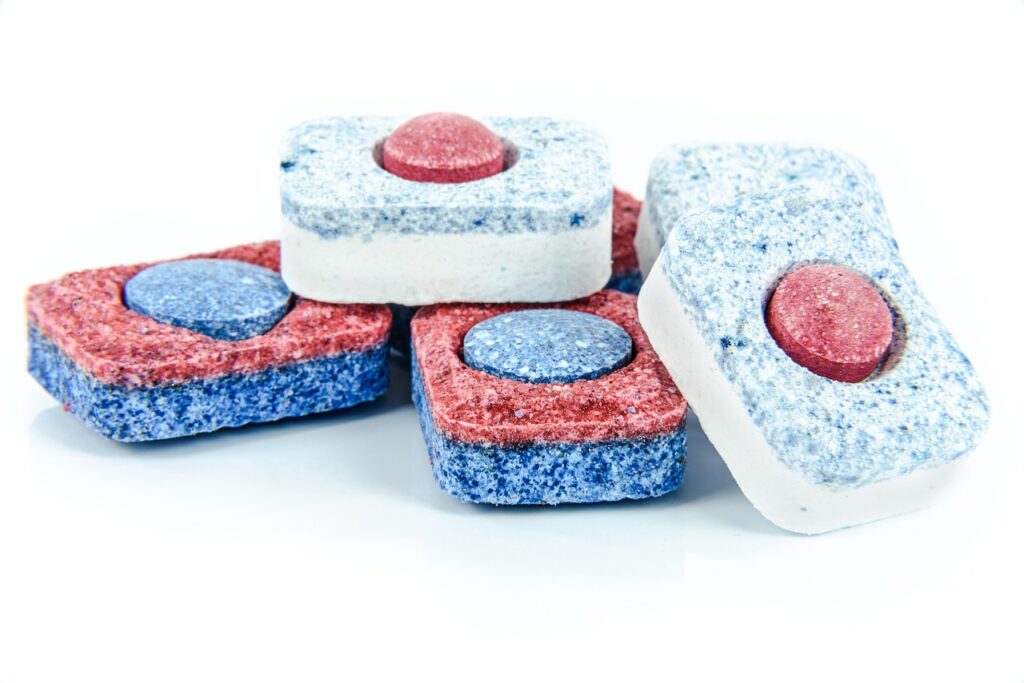
Front-loaders are particularly prone to internal mildew. Run a sanitize cycle with Affresh tablets or 1 cup of bleach monthly to keep the machine itself from being a source of recontamination.
Targeting Specific Fungal Problems
Different infections respond best to different combinations:
- Athletes foot (Trichophyton) — Lysol Laundry Sanitizer plus hot dryer
- Ringworm (dermatophytes) — Bleach for whites, Lysol for colors, isolate towels
- Yeast/Candida — OxiClean plus Tide Hygienic, hot wash and dry
- Black mold spores — Bleach 1 cup, then second wash with OxiClean
- General prevention — Borax plus hot water weekly on towels and bedding
The best antifungal laundry detergent for your situation depends on what you are treating and what fabrics need to survive the wash. For most US households, Lysol Laundry Sanitizer combined with OxiClean covers 90 percent of cases without damaging clothes.
Frequently Asked Questions
How should you wash socks when you have toenail fungus?
Wash the infected person’s socks and towels separately from the rest of the household laundry. Use the hottest water the fabric allows, add an EPA-registered laundry sanitizer or oxygen bleach, and dry on high heat for at least 30 minutes. Turning socks inside out helps the solution reach skin flakes, and badly worn socks are better replaced.
What kills fungus in a cold water wash?
A benzalkonium chloride laundry sanitizer added to the rinse cycle is the main option labeled to kill fungi in cold water. Oxygen bleach and borax lose much of their effect below warm temperatures. After a cold wash, a high-heat dryer cycle of 30 minutes or more adds a second kill step for fabrics that can take it.
Does vinegar kill fungus in laundry?
Vinegar has mild antifungal activity and helps remove odor and detergent residue, but it is not a registered disinfectant and should not be relied on for athlete’s foot or ringworm. Add 1/2 to 1 cup to the rinse as a supplement only. Never combine vinegar with chlorine bleach in the same load, since mixing them releases toxic chlorine gas.
How long can fungal spores survive on clothes and towels?
Dermatophyte spores that cause athlete’s foot and ringworm can survive on fabric for months if they are not killed in the wash. Damp towels, socks and gym clothes left in a hamper make the problem worse. Washing contaminated items promptly, drying them fully on high heat and not sharing towels during an infection reduces reinfection.