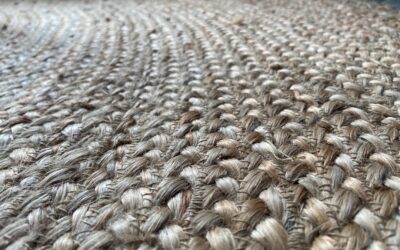
Finding the best carpet for living room spaces requires balancing durability, comfort, stain resistance, and appearance. The living room is the most visible room in your home and often the highest-traffic area — so the carpet must hold up to daily foot traffic, furniture weight, and the occasional spill while maintaining its appearance for years.
This guide recommends specific fiber and style combinations for different living room situations, covers color selection strategies, explains why padding matters as much as the carpet itself, and addresses the practical challenge of transitioning from carpet to hard flooring in open-concept homes.
- Top Carpet Picks by Scenario
- Carpet Fiber Guide
- Carpet Style Guide
- Color Selection Strategy
- Pile Height and Density
- Padding Selection
- Cost Breakdown
- Open-Concept Carpet-to-Hard-Floor Transitions
- Living Room Carpet Comparison
- Frequently Asked Questions
- What is the most durable carpet for a living room?
- Is carpet or hardwood better for a living room?
- How long does living room carpet last?
- What carpet color is best for a living room?
- How much does it cost to carpet a living room?
- Should I get plush or textured carpet for a living room?
- What carpet padding should I use for a living room?
Top Carpet Picks by Scenario
Best overall for living rooms: Nylon frieze. Nylon is the most durable carpet fiber available, and frieze (a tightly twisted, curly cut pile) hides footprints, vacuum marks, and wear paths better than any other style. This combination delivers the best performance for the highest-traffic room in the house.
Best for families with kids and pets: Mohawk SmartStrand (Triexta). SmartStrand fibers have built-in stain resistance that never washes or wears off — the stain protection is part of the fiber molecule, not a topical treatment. It resists pet stains, juice spills, and tracked-in mud better than any other carpet fiber. Choose SmartStrand in a textured or patterned style for maximum stain concealment.
Best luxury option: Wool. Wool carpet provides a richness and depth of color that synthetic fibers cannot match. It is naturally flame-retardant, resilient (bounces back from furniture indentations), and feels noticeably softer underfoot. Wool is best for formal living rooms with moderate traffic. It costs 2 to 3 times more than synthetic options and is not as stain-resistant.
Best for hiding wear in high traffic: Patterned or textured cut-pile. Multi-toned patterns and textured surfaces disguise wear paths, stains, and vacuum marks. If your living room connects to the front door or kitchen and sees constant foot traffic, a patterned carpet is the most practical choice. Visit our carpet for living room page for more recommendations.
Carpet Fiber Guide
| Fiber | Durability | Stain Resistance | Softness | Cost per Sq Ft | Best For |
|---|---|---|---|---|---|
| Nylon (Type 6,6) | Excellent | Good (with treatment) | Good | $3 – $8 | High-traffic living rooms |
| Triexta (SmartStrand) | Very Good | Excellent (built-in) | Very Good | $3 – $7 | Families, pets |
| Polyester (PET) | Fair | Good | Excellent | $1 – $4 | Budget, low-traffic rooms |
| Wool | Very Good | Fair | Excellent | $6 – $20 | Luxury, formal living rooms |
| Olefin (Polypropylene) | Fair | Excellent | Poor | $1 – $3 | Basements, outdoor areas |
Nylon is the workhorse fiber. It handles heavy foot traffic, resists crushing and matting, and springs back from furniture indentations. Look for branded nylon from major manufacturers — Shaw Anso, Mohawk Wear-Dated, or Invista StainMaster. These branded nylons include stain and soil treatments.
Triexta (SmartStrand) is a newer fiber developed by Mohawk. Its stain resistance is permanent and inherent to the fiber. SmartStrand also uses partially bio-based materials. For living rooms with active kids and pets, SmartStrand is arguably the smartest choice in 2026.
Polyester is the softest synthetic fiber and the most affordable. However, it crushes and mats in high-traffic areas faster than nylon or triexta. Use polyester in formal living rooms or low-traffic spaces where comfort is the priority and heavy wear is not a concern.
Wool is the premium natural fiber. It has a luxurious hand feel, excellent resilience, and produces rich, deep colors. Wool is naturally resistant to flame and soil but is vulnerable to liquid stains (especially wine, coffee, and pet accidents). Budget $6 to $20 per square foot for quality wool carpet. For a complete overview, browse our carpet flooring guide.
Carpet Style Guide
Carpet style refers to how the fibers are constructed — the twist, cut, and arrangement of the yarn. Style affects appearance, durability, and how well the carpet hides wear.
Frieze (most recommended for living rooms): Tightly twisted, kinked fibers that create a casual, textured surface. Frieze is exceptionally good at hiding footprints, vacuum marks, and wear paths. The twisted fibers resist matting and maintain their texture longer than other styles.
Textured cut pile: Features fibers cut at varying heights, creating a subtle pattern. This two-tone effect disguises soil and wear while maintaining a polished appearance. Textured cut pile strikes the best balance between casual comfort and a put-together look.
Patterned carpet: Uses multi-colored yarns or cut-and-loop combinations to create geometric, floral, or abstract patterns. Patterned carpet hides everything — stains, wear paths, vacuum marks — and adds visual interest to the room. It is the most practical choice for high-traffic family living rooms.
Plush (velvet): A smooth, uniform surface with a luxurious appearance. Plush carpet shows every footprint, vacuum mark, and shading change. It looks stunning when freshly vacuumed but impractical in high-traffic living rooms. Reserve plush for formal rooms with light use.
Loop pile (Berber): Uncut loops create a durable, casual surface. Level loop carpet resists crushing and wears extremely well. However, loop pile can snag (especially with pets’ claws) and is firmer underfoot than cut pile styles.
Color Selection Strategy
Carpet color is the single most impactful visual decision. Here is how to choose strategically.
Medium tones are the most practical. Medium gray, warm beige, taupe, and greige (gray-beige blend) hide dirt, stains, and wear better than very light or very dark colors. Dark carpet shows every speck of lint and pet hair. Light carpet shows every stain and soil track.
Match to your traffic pattern. If the living room connects directly to an exterior door, choose a darker or more patterned carpet that hides tracked-in soil. If the room is formal and sees minimal foot traffic, a lighter color opens the space and adds elegance.
Consider your natural light. Rooms with abundant natural light can handle darker carpet without feeling closed in. North-facing rooms with limited light benefit from lighter, warmer carpet tones that reflect available light.
Coordinate with walls and furniture. The carpet does not need to match the wall color — a complementary or slightly contrasting tone creates more visual depth. Choose carpet that is two to three shades darker than the walls for a grounded, balanced look.
Trending colors for 2026: Warm neutrals (greige, warm gray, mushroom), earthy tones (terracotta, sage, olive), and deep blues and greens for accent rooms. Cool grays that dominated the 2010s are fading in favor of warmer palettes.
Pile Height and Density
Pile height is the length of the carpet fibers, measured from the backing to the tips. Living room carpet typically falls into three categories:
- Low pile (under 1/4 inch): Dense and firm. Easy to vacuum, hides less dirt. Best for high-traffic paths and areas with rolling chairs
- Medium pile (1/4 to 1/2 inch): The sweet spot for living rooms. Comfortable underfoot, reasonable to clean, and maintains appearance well
- High pile (over 1/2 inch): Plush and luxurious but shows footprints, crushes in traffic areas, and traps more dirt. Best for bedrooms or formal rooms with light use
Density matters more than pile height for durability. Dense carpet — more fibers per square inch — resists crushing and maintains its appearance longer. Test density by pressing your thumb into the carpet; if you can easily feel the backing, the carpet is too thin for a living room. Look for a face weight of at least 35 ounces per square yard for living rooms, with 40 to 50 ounces being ideal.
Padding Selection
Carpet padding is the unsung hero of any carpet installation. The right padding extends carpet life, adds comfort, and improves sound insulation. The wrong padding causes premature wear, wrinkling, and a mushy feel.
Best padding for living rooms:
- Rebond foam: The most common and best overall value. Choose 6 to 8 pounds density and 7/16-inch thickness for living rooms. Higher density resists compression under furniture and foot traffic
- Memory foam: Premium comfort option. Provides a plush, cushioned feel. Best for low to moderate traffic living rooms. Costs 2 to 3 times more than rebond
- Rubber (waffle or flat): The most durable padding material. It never breaks down and provides firm, consistent support. Preferred for commercial applications but excellent for high-traffic residential living rooms
Do not use overly thick padding. Padding thicker than 1/2 inch causes the carpet to flex too much under foot traffic, which breaks down the carpet backing and causes wrinkling. Most carpet warranties require padding no thicker than 7/16 inch and no softer than 6-pound density.
Cost Breakdown
| Component | Budget | Mid-Range | Premium |
|---|---|---|---|
| Carpet (per sq ft) | $1 – $3 | $3 – $6 | $6 – $20 |
| Padding (per sq ft) | $0.30 – $0.50 | $0.50 – $1.00 | $1.00 – $2.00 |
| Installation (per sq ft) | $0.50 – $1.00 | $1.00 – $1.50 | $1.50 – $2.50 |
| Total (per sq ft) | $1.80 – $4.50 | $4.50 – $8.50 | $8.50 – $24.50 |
| 300 sq ft living room | $540 – $1,350 | $1,350 – $2,550 | $2,550 – $7,350 |
For detailed carpet pricing, visit our carpet cost guide. The mid-range tier ($4.50 to $8.50 per square foot installed) represents the best value for living room applications — it covers quality nylon and triexta fibers in durable styles with proper padding.
Open-Concept Carpet-to-Hard-Floor Transitions
Many homes have open-concept layouts where the living room carpet meets kitchen tile, vinyl, or hardwood. Managing this transition cleanly is essential for a polished look.
Metal transition strips are the most common solution. Available in T-bar (same height floors), reducer (carpet to lower hard floor), or carpet gripper profiles. Choose a finish (brushed nickel, brass, bronze) that complements your hardware.
Wood transition strips match hardwood flooring and provide a more upscale appearance than metal. Custom-stained wood transitions blend seamlessly with the hard floor.
Positioning: Place the transition strip directly under the door when the carpet-to-hard-floor change happens at a doorway. For open-concept spaces without a door, position the transition at a natural visual break — where the room function changes.
Design tip: Choose a carpet color that complements (not matches) the hard flooring. If your kitchen has warm oak LVP, a warm taupe or beige carpet in the living room creates a cohesive flow. Cool gray carpet against warm wood flooring creates a jarring disconnect. For broader flooring ideas, explore our living room flooring options.
Living Room Carpet Comparison
| Feature | Nylon Frieze | SmartStrand Textured | Polyester Plush | Wool Loop |
|---|---|---|---|---|
| Durability | Excellent | Very Good | Fair | Very Good |
| Stain Resistance | Good (treated) | Excellent (built-in) | Good | Fair |
| Softness | Good | Very Good | Excellent | Excellent |
| Hides Wear | Excellent | Very Good | Poor | Good |
| Cost (installed) | $4 – $9/sq ft | $4 – $8/sq ft | $2 – $5/sq ft | $8 – $22/sq ft |
| Best For | Most living rooms | Kids and pets | Low-traffic formal | Luxury formal |
Frequently Asked Questions
What is the most durable carpet for a living room?
Nylon carpet in a frieze or textured cut-pile style is the most durable option for living rooms. Nylon resists crushing, matting, and wear better than any other carpet fiber. Look for branded nylon with a face weight of at least 40 ounces per square yard and a twist count of 5 or higher per inch.
Is carpet or hardwood better for a living room?
It depends on your priorities. Carpet provides warmth, sound absorption, comfort underfoot, and a cozy aesthetic. Hardwood offers easier cleaning, better allergy performance, higher resale value, and a more contemporary look. Many homeowners choose hardwood or LVP for the main living area and carpet for bedrooms.
How long does living room carpet last?
Quality nylon carpet lasts 12 to 20 years in a living room with normal traffic. Polyester lasts 5 to 10 years. Wool lasts 15 to 25 years. Proper padding, regular vacuuming, and prompt stain treatment extend carpet life significantly.
What carpet color is best for a living room?
Medium tones — greige, warm gray, taupe, and beige — are the most practical. They hide dirt, stains, and wear while remaining neutral enough to work with changing furniture and decor. Avoid very light (shows stains) and very dark (shows lint and pet hair) colors unless the room sees minimal traffic.
How much does it cost to carpet a living room?
A 300-square-foot living room costs $1,350 to $2,550 for mid-range carpet, padding, and professional installation. Budget options start at $540. Premium wool or designer carpet can cost $2,550 to $7,350 or more for the same room.
Should I get plush or textured carpet for a living room?
Textured or frieze carpet is better for most living rooms. Plush carpet shows footprints, vacuum marks, and shading from every angle. Textured styles hide these issues while still feeling comfortable underfoot. Reserve plush for formal rooms with very light foot traffic.
What carpet padding should I use for a living room?
Use 7/16-inch thick rebond padding with 6 to 8 pound density. This thickness provides comfort without being so thick that the carpet flexes and breaks down prematurely. Avoid padding over 1/2 inch thick — most carpet warranties require 7/16 inch or less.