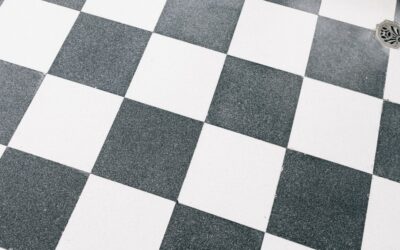
Mopping pushes dirty water around; a scrubber actually lifts grime off the floor and vacuums it back up in one pass. That is why anyone with a lot of hard flooring eventually wants one, but finding the best floor scrubber means matching the machine to your floor type, square footage, and how much cleaning you really do. A cordless unit that is perfect for a tile kitchen is overkill for a small apartment and underpowered for a 3,000-square-foot home. This guide breaks down the categories so you can buy the right tool the first time.
What a Floor Scrubber Actually Does
A floor scrubber combines three jobs that a mop and bucket do separately and poorly. It dispenses clean solution, agitates the floor with a spinning or rolling brush, and vacuums up the dirty water, all in a single forward stroke. The result is a floor that is genuinely clean and nearly dry, instead of damp and streaked.
The key feature that separates a real scrubber from a glorified mop is dual-tank technology: clean water and solution go in one tank, while the dirty water it picks up stays separate in another. You are never spreading filthy water back onto the floor, which is the fundamental flaw of traditional mopping.

The Main Types of Floor Scrubbers
Scrubbers fall into a few clear categories, each suited to a different home and budget.
Cordless Upright Scrubbers
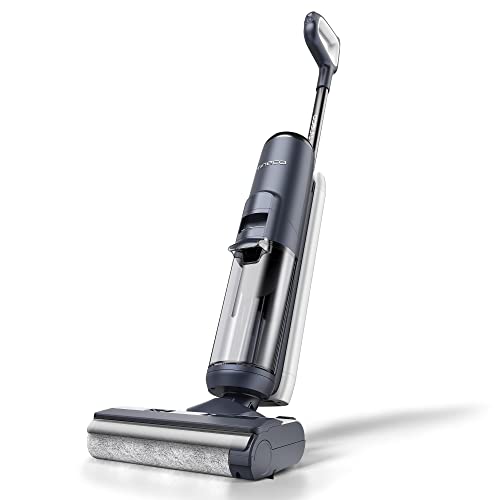
The most popular pick for homes, these look like a vacuum and handle hard floors and sealed surfaces with ease. They are lightweight, maneuverable, and self-cleaning in many models. Expect $250 to $600 for a quality unit. Best for kitchens, bathrooms, and open-plan main floors up to a few hundred square feet per charge.
Corded Upright Scrubbers
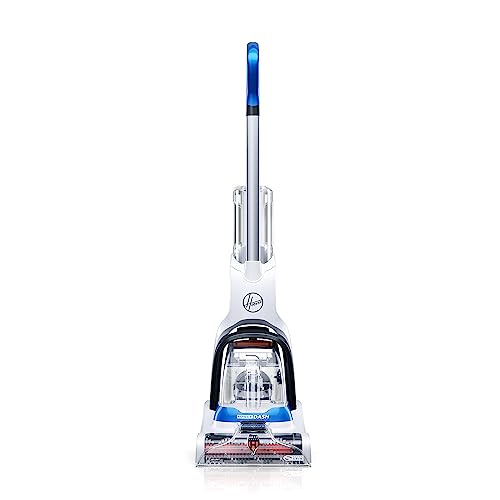
For larger areas, a corded model never runs out of power mid-clean. They trade the convenience of a cord for unlimited runtime, ideal for homeowners with a lot of tile or vinyl who do not want to recharge halfway through.
Walk-Behind Scrubbers
These are commercial-grade machines for very large spaces like basements, garages, and workshops. With wide cleaning paths and big tanks, they cover ground fast but are heavy and expensive, often $1,000 and up. Overkill for most homes.
Robot Scrubbers
Robot mop-and-scrub units handle daily maintenance hands-free, navigating around furniture and returning to a dock. They lack the scrubbing power of an upright for tough grime but are excellent for keeping floors consistently clean between deeper cleanings.
Match the Scrubber to Your Floor Type
Not every scrubber suits every floor, and using the wrong one can damage a surface. Quick guidance by material:
- Tile and stone: Almost any scrubber works; look for stiff brushes that get into grout lines
- Vinyl, LVP, and laminate: Choose a model with controlled water output, since standing water can seep into seams and damage laminate
- Sealed concrete: A powerful upright or walk-behind handles garage and basement grime best
- Hardwood: Use only a scrubber rated for sealed wood with minimal moisture; many scrubbers are too wet for wood floors
Laminate and hardwood owners should be especially careful. Excess water is the enemy of these floors, so a machine with adjustable solution flow and strong suction that leaves the floor nearly dry is essential.
Features That Actually Matter
Marketing throws a lot of specs at you, but only a few make a real difference in daily use:
- Dual tanks: Non-negotiable for actually clean floors
- Tank size: Bigger clean-water tanks mean fewer refills on large floors; smaller tanks keep the machine light
- Self-cleaning cycle: Runs water through the brush roll so you are not hand-washing a filthy roller
- Edge cleaning: A brush that reaches close to baseboards saves you from hand-scrubbing corners
- Run time and charge time: For cordless models, look for at least 20 to 30 minutes of runtime
- Weight and maneuverability: A lighter machine is easier to push and store, which means you will actually use it
Cordless vs. Corded: Which Should You Buy?
For most homes under a few hundred square feet of hard flooring, a cordless upright wins on convenience. You can clean spills on demand, move between rooms without hunting for outlets, and store it easily. The trade-off is limited runtime and the need to recharge.
If you have a large home, a big tile basement, or you clean frequently, a corded model removes the runtime worry entirely. The cord is a minor annoyance compared to running out of battery halfway through a 1,000-square-foot floor.
Maintenance Keeps a Scrubber Working
A scrubber that is not maintained gets smelly and loses suction fast. After each use, empty the dirty-water tank, rinse the brush roll, and let it air dry to prevent mildew and odor. Run the self-cleaning cycle if your model has one. Clean the filter regularly, since a clogged filter kills suction.
Replace the brush roll when the bristles wear flat, usually every six to twelve months with regular use. A little upkeep keeps the machine cleaning at full power for years.
Finding the Right Fit
The best floor scrubber for you is the one that matches your floors, your square footage, and your cleaning habits. For most homeowners with tile and vinyl, a dual-tank cordless upright with adjustable water flow and a self-cleaning cycle hits the sweet spot of power and convenience. Hardwood and laminate owners should prioritize low moisture and strong suction. Big spaces call for corded or walk-behind power. Buy for the floors you actually have, keep up with simple maintenance, and a good scrubber turns floor cleaning from a chore into a quick, satisfying pass.
Prefer to explore on your own?
See how new flooring looks in your actual room in seconds — free, no signup.
Try the free Floor Studio →