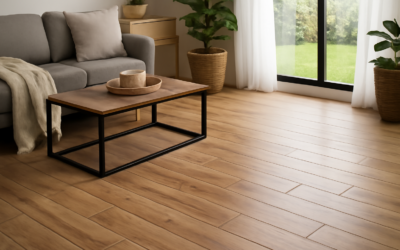
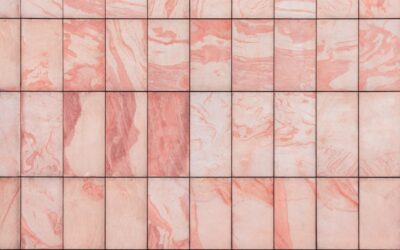
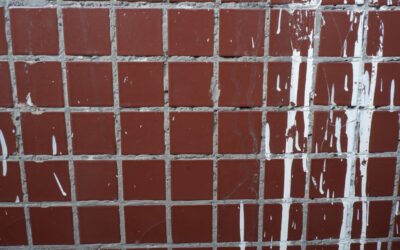
Mopping pushes dirty water around. A good tile floor scrubber actually lifts grime out of grout lines and off textured tile, leaving floors genuinely clean rather than just damp. If you’ve ever scrubbed a kitchen or bathroom floor on your hands and knees, you know how much effort grout takes by hand. The right machine cuts that labor dramatically and gets into the low spots a flat mop glides right over. Choosing the correct type for your tile is the key to results that last.
Why a Scrubber Beats a Mop
Tile floors have texture and recessed grout lines, and that’s exactly where dirt collects. A traditional mop rides across the high points of the tile and skips over the grooves, smearing dirty water into the grout instead of removing it. A powered scrubber uses rotating or oscillating brushes to agitate dirt loose, then many models vacuum up the dirty solution so it never dries back onto the floor.
The result is cleaner grout, a streak-free finish, and far less physical effort. For anyone with large tiled areas or stubborn grout, the time savings alone justify the machine.
Types of Tile Floor Scrubbers
Scrubbers range from handheld gadgets to full walk-behind machines. Matching the type to your space and budget matters.
- Handheld electric scrubbers: compact spinning-brush tools for grout, corners, and small bathrooms; affordable and great for detail work
- Cordless floor scrubbers: upright machines with rotating brushes for everyday cleaning of medium-sized areas
- Wet/dry scrubber-vacuums: wash and vacuum in one pass, leaving floors nearly dry; ideal for kitchens and open tile floors
- Walk-behind auto scrubbers: commercial-grade machines for large homes, basements, and big tiled areas
- Drill brush attachments: brush heads that chuck into a cordless drill, a budget way to power-scrub grout
Matching the Scrubber to Your Tile
Different tiles tolerate different brushes. Porcelain and glazed ceramic are tough and handle stiff bristles and firm pressure without trouble. Natural stone like marble, travertine, and slate is softer and more porous, so it needs soft brushes and pH-neutral cleaners to avoid scratching or etching the surface.
Textured or slip-resistant tile, common in bathrooms and entryways, benefits most from a scrubber because the very texture that grips your feet also grips dirt. For polished stone, always test on a small area first, since aggressive brushing can dull the shine.
Choosing the Right Brush and Cleaner
The brush and solution do as much work as the machine. Stiff nylon brushes tackle grout and unglazed porcelain. Soft brushes protect stone and polished surfaces. For cleaning solution, a pH-neutral tile cleaner is safe across nearly all tile types. Avoid acidic cleaners like vinegar on natural stone, since the acid etches calcium-based stones such as marble and travertine.
For grout specifically, an oxygen-based grout cleaner applied before scrubbing lifts stains that brushing alone won’t budge. Let it dwell a few minutes before running the machine over it.
How to Use a Tile Floor Scrubber Effectively
- Sweep or vacuum first: remove loose grit so the brushes don’t grind it into the tile
- Apply cleaner: add solution to the machine’s tank or pre-treat heavily soiled grout
- Work in sections: scrub manageable areas with overlapping passes for even coverage
- Dwell on grout: let the brush spend extra time along grout lines where dirt hides
- Extract or wipe: use a wet/dry model to vacuum the dirty water, or mop it up promptly so it doesn’t redeposit
- Rinse if needed: a clean-water pass removes any cleaner residue that could attract dirt
Maintaining Your Machine
A scrubber that’s cared for lasts for years. Empty and rinse the dirty-water tank after every use to prevent odor and buildup. Remove and clean the brushes, picking out hair and debris that wrap around the bristles. Let everything air-dry before storing to avoid mildew inside the machine.
Replace brushes when the bristles splay out or wear down, since worn brushes lose their scrubbing power. For wet/dry models, check and clean filters per the manufacturer’s instructions so suction stays strong.
What to Spend
Prices span a wide range. A handheld electric grout scrubber runs roughly $30 to $80. Drill-brush attachment kits cost $15 to $30 if you already own a drill. Cordless upright floor scrubbers fall around $100 to $300, while wet/dry scrubber-vacuums that wash and dry in one pass typically run $250 to $500. For most homeowners with several rooms of tile, a mid-range cordless or wet/dry model offers the best balance of cleaning power, convenience, and cost.
Tackling Stained Grout
Grout is usually the real reason floors look dirty even after mopping. Its porous surface absorbs spills, grease, and foot traffic, darkening over time. A scrubber with a focused grout brush, or a handheld unit with a narrow spinning head, gets down into the lines where a flat mop never reaches. Pre-treating with an oxygen-based cleaner and letting it dwell before scrubbing makes a dramatic difference on stained grout.
Once the grout is clean, consider sealing it. A penetrating grout sealer applied to fully dry, clean grout repels future stains and makes the next cleaning easier. Resealing every year or two in high-traffic areas keeps grout looking fresh far longer.
Cordless Versus Corded
Power source affects how you clean. Corded scrubbers deliver constant, strong performance without worrying about battery life, ideal for large jobs. Cordless models offer freedom of movement and reach into spaces away from outlets, but you’re limited by run time, often 20 to 40 minutes per charge. For a few rooms of tile, a cordless model is convenient. For a large home or a big basement floor, a corded machine keeps you working without interruption.
The Bottom Line
A tile floor scrubber transforms one of the most tedious cleaning chores into a quick, satisfying task. Choose a machine sized to your space, pick brushes and cleaners suited to your specific tile, and let the bristles do the work in the grout lines where dirt loves to hide. Keep the machine clean between uses, and your tile and grout will look sharp with a fraction of the effort hand-scrubbing demands.
Prefer to explore on your own?
See how new flooring looks in your actual room in seconds — free, no signup.
Try the free Floor Studio →