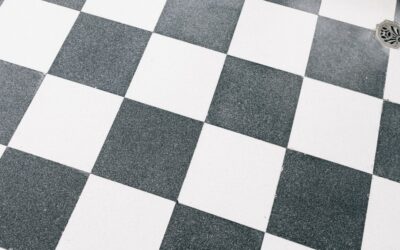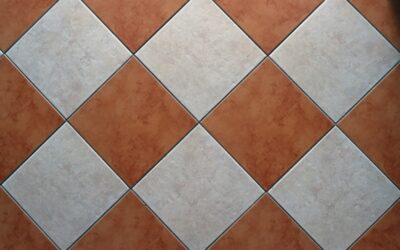
A grout scrubber is the single tool that turns the miserable chore of cleaning grout lines into something almost satisfying. Grout is porous and recessed below the tile surface, so it traps dirt, soap scum, and mildew that a flat mop or sponge simply glides over. The right scrubber gets down into those narrow channels with stiff bristles and concentrated pressure, lifting grime that hand-wiping leaves behind.
Part of our Tile & Grout guide — explore the full guide →
From a few-dollar handheld brush to a powered drill attachment, there is a grout scrubber for every budget and project size. Knowing the types and the technique behind them is what actually restores dingy grout.
Few cleaning tasks are as frustrating as dingy grout. You can mop a tile floor until the tiles gleam, yet the grid of grey-brown lines between them makes the whole surface look dirty. The problem is not your effort; it is that grout is built to collect exactly the grime that ordinary cleaning cannot reach. The right scrubber, paired with a bit of patience, is what finally makes those lines respond, and it costs a fraction of what professional grout cleaning would.
Why Grout Needs a Dedicated Tool
Grout sits slightly lower than the surrounding tile, creating a recessed line that ordinary cleaning misses. Its porous, textured surface also grabs and holds dirt, grease, and moisture, which is why grout darkens and grows mildew over time even when the tile looks clean. A scrubber’s narrow, stiff bristles reach into that channel and agitate the grime loose, which is the part that matters, because most grout cleaners need mechanical scrubbing to work, not just dwell time.


Types of Grout Scrubbers
Scrubbers fall into three broad categories, ranging from cheap and simple to powered and fast:
- Manual handheld brushes: small, stiff-bristled brushes, often with a narrow head shaped to fit grout lines. Cheap, precise, and effective for small jobs and detail work, but tiring over large areas.
- Electric grout scrubbers: battery-powered handheld units with oscillating or spinning brush heads that supply the elbow grease for you. Great for regular maintenance without the strain.
- Drill brush attachments: stiff nylon brushes that chuck into a cordless drill, delivering serious scrubbing power for large floors and heavily soiled grout. The fastest option for big jobs, though aggressive bristles can damage soft grout or natural stone if overused.
Choosing the Right One
Match the tool to your project and surface:
- Small areas or detail work (backsplash, shower corners): a manual brush gives control.
- Routine cleaning of bathrooms and kitchens: an electric scrubber saves your hands.
- Large floors or deeply soiled grout: a drill brush attachment covers ground fastest.
- Natural stone or delicate grout: softer bristles and lighter pressure to avoid damage.
Bristle stiffness matters. Stiff nylon works on most ceramic and porcelain grout, but for natural stone tile, choose softer bristles to avoid scratching the stone surface alongside the grout.
How to Clean Grout Effectively
Technique matters as much as the tool. A reliable process:
- Sweep or vacuum the surface first so loose grit does not turn into abrasive mud.
- Apply a grout cleaner or a paste of baking soda and water to the lines, and let it dwell for several minutes.
- For tougher mildew, a solution suited to the grout and tile type can help; always test in a hidden spot first.
- Scrub along the grout line with the appropriate scrubber, working in sections.
- Rinse thoroughly with clean water and wipe away the loosened grime before it resettles.
- Dry the area, and for stubborn stains, repeat rather than scrubbing harder in one pass.
Avoid mixing cleaning chemicals, and ventilate the room well. Never combine bleach and ammonia or acid-based products, which create dangerous fumes.
Protecting Grout After Cleaning
Cleaning is only half the battle. To keep grout looking fresh longer:
- Seal cement-based grout with a penetrating sealer after a deep clean, and reseal periodically.
- Squeegee shower walls and run a fan to cut the moisture that feeds mildew.
- Wipe up kitchen spills promptly before they soak into the grout.
- Do quick maintenance scrubs regularly so grime never builds into a major project.
Sealed grout repels water and stains, which means your next cleaning session is faster and your grout color stays true.
Using a Drill Brush Safely and Effectively
The drill brush attachment is the most powerful budget upgrade for grout cleaning, but it rewards a careful hand. Start with a low drill speed; high RPM flings cleaner everywhere and can fray softer grout or scratch natural stone. A medium-stiffness nylon brush handles most ceramic and porcelain grout, while a softer brush protects delicate surfaces.
Apply your cleaner and let it dwell first, then run the brush along the grout lines in short, controlled passes, letting the spinning bristles do the work rather than pressing hard. Keep the drill moving so you do not dwell in one spot long enough to wear the grout unevenly. Wear eye protection, since the brush can sling droplets, and work in sections so you can rinse before the loosened grime dries back onto the surface.
One caution: a drill brush is aggressive enough to remove not just dirt but also the top layer of old, soft, or already failing grout. If your grout is in rough shape, test a hidden area first. On healthy grout, though, a drill brush turns a multi-hour floor job into a manageable one.
When to Consider Regrouting
Sometimes a scrubber can only do so much. If grout is crumbling, cracked, missing in spots, or permanently discolored despite repeated deep cleaning, it may be time to remove and replace it or to apply a grout colorant to refresh the look. Persistent mildew that returns immediately can also signal a moisture problem behind the tile that needs attention.
For everyday upkeep, though, a good grout scrubber is the most cost-effective tool in your cleaning arsenal. Choose the type that fits your space, pair it with the right cleaner and a little dwell time, seal the grout afterward, and those once-grimy lines will look crisp and bright again.