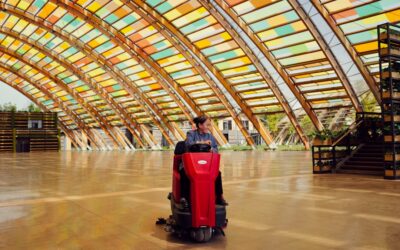
Wood floors and water are old enemies, which is exactly why renting a scrubber for hardwood makes so many people nervous, and rightly so. The wrong machine can drive moisture into the seams and ruin a floor in one afternoon. But a hardwood floor scrubber rental, chosen correctly, can restore grimy, dull wood far better than hand-mopping, as long as you understand which machines are wood-safe and which are not. This guide explains what you can safely rent, what it costs, and the rules that keep water out of your wood.
The Golden Rule: Minimal Moisture
Sealed hardwood can be cleaned mechanically, but the machine must use very little water and recover it immediately. Standing water is the enemy; it seeps between boards, swells the wood, and lifts the finish. That single rule eliminates most standard wet auto-scrubbers, which flood the floor with solution. What you want is a machine designed to dampen, agitate, and dry in one pass, or a low-moisture buffer used with barely-damp pads.
Machines That Are Safe for Wood
Wood-Rated Cleaning Machines
Some cleaning-machine models are specifically rated for sealed hardwood and laminate. They apply a fine mist of wood-safe solution, scrub with a soft brush roll, and vacuum the moisture back up so almost nothing sits on the surface. These are the safest rental for wood and the ideal choice.
Low-Speed Buffers/Polishers with Cleaning Pads
A rotary buffer run at low speed with a soft cleaning or polishing pad can lift grime and restore sheen using minimal solution sprayed lightly ahead of the pad. Great for maintenance cleaning and reviving a dull finish without refinishing. Keep the pad damp, never wet.
Orbital Floor Machines
Orbital machines with soft pads are gentle and effective for cleaning and light buffing of sealed wood. Their random motion is less aggressive than a high-speed rotary, lowering the risk of swirl marks.
What to Avoid
- Standard wet auto-scrubbers that flood the floor; they leave too much water on wood.
- Steam mops and steam machines on hardwood; heat and moisture force water and vapor into the finish and seams and can void your floor’s warranty.
- Stiff scrub brushes and abrasive pads that scratch the finish.
- High-speed buffing on waxed floors without the right pad, which can burn the finish.
What It Costs to Rent
- Wood-rated cleaning machine: $25 to $50 per day.
- Low-speed buffer/polisher: $30 to $60 per day.
- Orbital floor machine: $35 to $65 per day.
- Wood-safe cleaning solution and pads: $10 to $25 extra.
Rental yards, home improvement stores, and janitorial supply shops carry these. Compare to a professional deep-clean-and-buff service, which runs $0.50 to $2 per sq ft; for a large home, a one-day rental can save real money if you are comfortable running the machine.
How to Use a Scrubber on Hardwood Safely
- Confirm the finish. This works on sealed hardwood with an intact surface finish (polyurethane, aluminum oxide). Oiled, waxed, or worn floors with bare wood need different care and no water.
- Dust-mop or vacuum thoroughly. Grit under a pad scratches the floor. Use a hard-floor vacuum setting with no beater bar.
- Use a wood-specific, pH-neutral cleaner. Dilute per instructions; never use vinegar or ammonia, which dull and etch wood finishes over time.
- Keep pads damp, not soaked. Mist lightly ahead of the machine or use the machine’s fine-mist setting.
- Test an out-of-the-way area first to confirm no swirl marks, dulling, or water spotting.
- Work with the grain in overlapping passes and dry any visible moisture immediately with a microfiber cloth.
When to Skip the Machine
If your floor is waxed, oil-finished, unsealed, or the finish is worn through to bare wood in spots, do not use a wet scrubber at all; those floors need dry methods or professional treatment. A machine deep-clean is for sealed floors with a sound finish that are simply dirty and dull, not damaged.
Rent, Hire, or Clean by Hand?
Weigh your options before committing. A machine rental ($25 to $65 per day) makes sense for a large home with a lot of sealed wood that is dull and grimy but structurally fine. Hiring a professional wood-floor cleaning and buffing service runs about $0.50 to $2 per sq ft and delivers expert results with zero risk to you, worth it if you are nervous about running equipment on wood. For smaller areas or floors in good shape, cleaning by hand with a barely-damp microfiber mop and a wood-specific cleaner is cheapest and perfectly effective. Reserve the machine for the case it fits best: a big, dull, but sound sealed-wood floor you want to revive without paying for a full pro service.
Prepping the Room Before You Start
Because your rental clock is running and moisture control is critical, prep pays off. Remove rugs and small furniture, and vacuum or dust-mop the entire floor thoroughly, grit is the enemy of both your finish and your pads. Identify any bare, worn, waxed, or water-damaged spots and plan to keep the machine and moisture away from them. Have your wood-safe, pH-neutral cleaner diluted and ready, along with clean microfiber cloths to dry any visible moisture immediately. Open windows or run a fan to speed drying, since you never want water lingering on wood.
After Cleaning: Protecting the Finish
Once the floor is clean and fully dry, you can extend the results. A wood-floor polish or refresher applied with a clean pad fills micro-scratches and restores sheen on a sealed finish, buying time before a professional screen-and-recoat is needed. Going forward, protect the floor with felt pads under furniture, walk-off mats at entries to catch grit, and a routine of dry dust-mopping plus occasional damp cleaning. Keeping grit and standing water off the floor is what preserves the finish, and it means you will need the machine far less often.
It is also worth adjusting your indoor humidity to protect the wood between cleanings. Wood floors are happiest at roughly 35 to 55% relative humidity; too dry and boards can gap and crack, too humid and they cup. A hygrometer costs a few dollars and helps you keep conditions stable, which does more for the long-term look of your floor than any single deep clean. Combine steady humidity, routine dust-mopping, and the occasional low-moisture machine cleaning, and a sealed hardwood floor can look great for many years before it ever needs professional refinishing.
Frequently Asked Questions
Can you use a floor scrubber on hardwood?
Yes, but only a machine rated for sealed wood that uses minimal moisture and vacuums it back up, or a low-speed buffer with a barely-damp pad. Standard wet auto-scrubbers and steam machines flood the floor and can damage wood, so avoid them.
How much does a hardwood floor scrubber rental cost?
Expect $25 to $65 per day depending on the machine, plus $10 to $25 for wood-safe solution and pads. Wood-rated cleaning machines are cheapest, while buffers and orbital machines run a bit more. Many outlets offer half-day and weekend rates.
Will a scrubber damage my wood floor?
Not if you use the right machine and keep moisture minimal. Damage comes from flooding the floor with water, using steam, or using abrasive pads. Stick to a wood-rated low-moisture machine, soft pads, a pH-neutral cleaner, and dry any visible water immediately.
Can I use a scrubber to restore shine to dull hardwood?
A low-speed buffer with a polishing pad can revive a dull sealed finish and bring back sheen without refinishing. For deeper wear, a wood-floor polish or a professional screen-and-recoat is more effective than machine buffing alone.
Renting a scrubber for hardwood is safe and effective if you respect the material: choose a wood-rated, low-moisture machine or a low-speed buffer, use a pH-neutral wood cleaner, keep pads damp rather than wet, and test first. Do that and you will lift grime and restore sheen that hand-mopping never could, without inviting the water damage that scares most people away from machines on wood.
Prefer to explore on your own?
See how new flooring looks in your actual room in seconds — free, no signup.
Try the free Floor Studio →