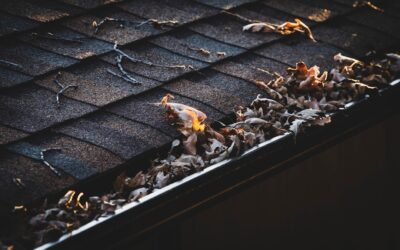
Americans spend roughly $2.5 billion per year on gutter guards, and about a third of that money is wasted on products that clog, fail, or void shingle warranties. Picking the best gutter guard for your house depends on the trees around you, the pitch of your roof, and whether you have the patience to clean micro-mesh or the budget for a professionally installed system. After 15 years of watching these products on real houses, the short answer is micro-mesh for most homes and reverse curve for nobody.
Part of our Roofing guide — explore the full guide →
The Five Types You Will Encounter
Every gutter guard on the market falls into one of five design families. Each has trade-offs, and the marketing does not always tell the full story.
- Micro-mesh: fine stainless mesh on aluminum or plastic frame, catches pine needles and seeds.
- Screen: plastic or metal mesh with larger holes, blocks leaves but not small debris.
- Foam: foam inserts that fill the gutter channel, cheap but short-lived.
- Brush: bottle-brush design that sits in the gutter, blocks large debris only.
- Reverse curve (helmet): solid cover with a curved lip, water flows around and debris slides off.
Micro-Mesh: The Current Gold Standard
Micro-mesh products dominate the top tier because they block debris down to roof granule size while letting water through. The best systems use marine-grade stainless mesh with openings of 40 microns or smaller, supported by an aluminum or steel frame that screws to the gutter front and slides under the first course of shingles.
Gutterglove Pro, LeafFilter, and HomeCraft EasyOn are the leading brands. Professionally installed, expect $17 to $42 per linear foot depending on the product and your gutter height. DIY versions of similar quality mesh cost $2 to $6 per linear foot but require careful installation to avoid gaps where debris enters. For an average single-story home with 150 linear feet of gutter, DIY runs $300 to $900 while professional installation lands at $3,000 to $6,500.
Screen Guards: Budget Pick for Open Areas
Plastic or metal screens with 1/4 to 1/2 inch holes are the original gutter guard and still work well in yards without pine trees or oak catkins. They block the obvious debris like whole leaves and acorns but pass through smaller organic matter that accumulates over a few seasons.
Amerimax, GutterStuff, and the Home Depot house brand all sell screen guards for $1 to $3 per foot. Installation is DIY-friendly and takes a weekend for most homes. Expect to clean the gutters every 2 to 3 years rather than every 6 months, which is still a meaningful improvement for most homeowners.
Reverse Curve: The Option I Do Not Recommend
Reverse curve systems like Gutter Helmet and LeafGuard dominated the industry in the 1990s and still market aggressively today. The principle is that water adheres to the curved surface and flows into the gutter through a slot while leaves slide off. In theory, beautiful. In practice, they fail in three common conditions.
First, heavy rain overshoots the curve and pours over the edge of the gutter, causing foundation problems. Second, organic debris bakes onto the curve in summer and creates a dam that redirects water. Third, the systems often require stripping back the first course of shingles, which voids most roofing warranties. Despite prices of $25 to $60 per linear foot installed, I have pulled too many of these off houses to recommend them.
Foam Inserts: Short-Term Fix Only
Foam gutter inserts like GutterStuff and the generic big-box versions cost $2 to $5 per foot and install in 20 minutes. They work for the first 6 to 12 months, then they start collecting organic matter in the foam pores. The foam decomposes over 2 to 4 years, and when it goes, it goes all at once and has to be cleaned out by hand.
Use foam only as a temporary measure while saving for a real solution or for a home you plan to sell within two years. Longer horizons demand better products. The apparent cost savings disappear when you factor in the labor to remove deteriorated foam.
Installation Considerations
Any gutter guard is only as good as the installation. Common errors include gaps at end caps, debris bridges between the guard and the roof deck, and failure to account for valley runoff where water flow rate exceeds what the mesh can handle. Valleys often need supplemental diverters or wider gutters to prevent overshoot.
Before installing any guard, clean the gutters thoroughly and inspect the gutter itself for damage, rust, or separation from the fascia. Installing a $4,000 guard system on gutters that need replacement is money lit on fire. Budget $8 to $15 per linear foot to replace gutters first if yours are more than 25 years old or showing visible damage.
Matching the Guard to the Trees
The single most important factor in picking the right guard is the trees around your house. Large-leaf hardwoods like oak, maple, and sycamore work with nearly any system because the debris sits on top and blows away. Pine, hemlock, and spruce needles demand micro-mesh or nothing, because needles pass through screen holes and wedge into foam.
Oak catkins in spring and maple helicopter seeds defeat most screen products. If you have more than two trees within 25 feet of the house dropping small debris, budget for micro-mesh. If you have only open-canopy trees or no trees, a screen product will deliver 90 percent of the benefit at 20 percent of the cost.
Maintenance Reality Check
No gutter guard is truly maintenance-free, despite the marketing. Every system requires annual inspection and occasional cleaning of debris that accumulates on top of the guard. Micro-mesh systems need a soft-bristle brush down the surface once or twice a year, especially after oak tree pollen season. Screens need clearing of any debris bridges every fall.
The good news is that guarded gutters take 20 to 30 minutes per year of maintenance versus 2 to 4 hours for unprotected gutters, and the physical risk of climbing onto the roof to scoop handfuls of wet leaves disappears. For older homeowners or anyone uncomfortable on a ladder, that safety benefit alone justifies the investment.