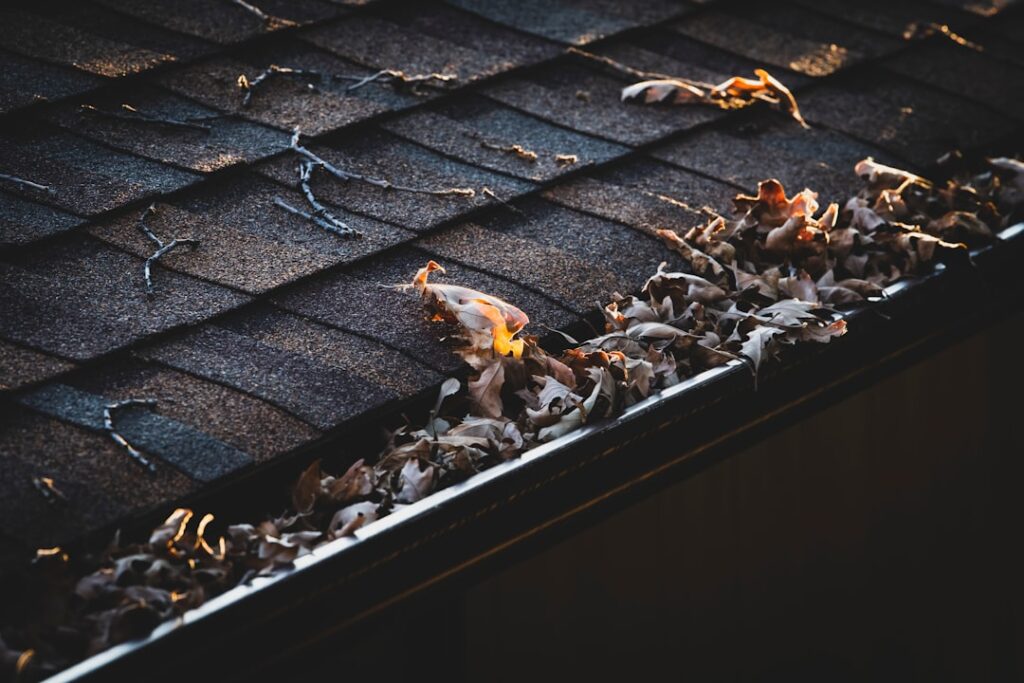
Shopping for gutter protection gets confusing fast because the types of gutter guards on the market work in completely different ways and perform very differently in the real world. Some block nearly everything; others are barely better than nothing. After installing and pulling out most of these over the years, here’s a straight breakdown of each type, what it costs, and where it shines or fails.
- 1. Micro-Mesh Guards
- 2. Screen Guards
- 3. Reverse-Curve (Surface-Tension) Guards
- 4. Brush Guards
- 5. Foam Guards
- Side-by-Side: Which Type Handles What
- Matching a Guard to Your Home
- How Each Type Attaches to Your Roof
- Climate Considerations
- Installation and Material Notes
- Mesh Size and Why It Matters
- Longevity and Replacement
- The Bottom Line
There are five main categories. Knowing how each handles leaves versus fine debris like pine needles and shingle grit is the key to picking right.
1. Micro-Mesh Guards
Micro-mesh is the gold standard for filtering out fine debris. A sheet of stainless steel mesh with tiny openings sits on a support frame, letting water through while blocking almost everything else.
- Cost: $2 to $4 per foot DIY; $8 to $30-plus per foot professionally installed for premium brands.
- Blocks: leaves, pine needles, seeds, shingle grit, even pollen with the finest meshes.
- Downside: the fine surface can shed water in torrential rain if debris piles on top, and cheap plastic-framed versions sag.
Choose stainless mesh on an aluminum or steel frame. This is the best all-around type for homes with mixed or fine debris, especially pine needles that defeat coarser guards.
2. Screen Guards
These are perforated aluminum or plastic sheets with holes larger than micro-mesh. They snap in, slide under shingles, or clip onto the gutter lip. Screen guards are the most common DIY option.
- Cost: $0.50 to $2 per foot for materials.
- Blocks: large leaves and twigs well.
- Downside: the larger holes let pine needles, seeds, and grit through, and lightweight plastic versions crack in UV and blow off in storms.
Aluminum screen is a reasonable budget choice for oak and maple leaves. Skip flimsy plastic snap-in screens, which are the type most likely to disappoint and clog.
3. Reverse-Curve (Surface-Tension) Guards
These solid covers use surface tension to work. Water clings to the curved nose of the guard and wraps down into a slot along the gutter’s front edge, while leaves are supposed to fall off the front.
- Cost: $15 to $30-plus per foot, almost always professionally installed. This is the category of many big-name branded systems.
- Blocks: leaves shed off the front effectively.
- Downside: highly visible from the ground, expensive, and can overshoot water in heavy downpours. Fine grit and small debris can ride the water into the gutter, and shingle-tucked installs may affect roof warranties.
Reverse-curve works well for leaf-heavy homes but struggles with fine debris and carries the highest price tag.
4. Brush Guards
The simplest type: a long cylindrical bristle brush, like a giant pipe cleaner, that drops into the gutter. Debris lands on the bristles while water flows through and around.
- Cost: $2 to $4 per foot, easy DIY with no tools.
- Blocks: large leaves and twigs sit on top.
- Downside: small debris collects in the bristles and is a pain to clean, and the brushes themselves trap seeds that sprout. Effectiveness is modest.
Brush guards are cheap and simple but really just a stopgap. They reduce big clogs without truly solving debris.
5. Foam Guards
Foam inserts are triangular blocks of porous foam that wedge into the gutter. Water passes through the foam; debris sits on top and blows away, in theory.
- Cost: $1.50 to $3 per foot, the easiest install of all, just push it in.
- Blocks: large leaves initially.
- Downside: foam degrades in UV within a few years, holds moisture, grows debris and even plants inside, and clogs with fine grit. Frequent replacement needed.
Foam is the least durable type. It’s a quick temporary fix, not a long-term solution.
Side-by-Side: Which Type Handles What
To sort them quickly by real-world performance:
- Fine debris (pine needles, grit): micro-mesh wins clearly; everything else struggles.
- Large leaves only: screen and reverse-curve both do fine.
- Budget and DIY: screen, brush, and foam are cheapest and tool-free.
- Longevity: stainless micro-mesh and aluminum screen last longest; foam and plastic degrade fastest.
- Heavy downpour handling: screen and mesh let water in best; reverse-curve can overshoot.
Matching a Guard to Your Home
Pick based on what falls on your roof:
- Lots of pine trees: stainless micro-mesh, no question. Needles defeat everything coarser.
- Deciduous leaves, tight budget: aluminum screen guards.
- Two-story home, willing to invest: professional micro-mesh for the low maintenance and safety.
- Renting or short-term fix: foam or brush to get through a season.
How Each Type Attaches to Your Roof
Beyond how they filter, the types differ in how they mount, which affects both performance and your roof warranty:
- Snap-on / lip-mounted: clips to the front and back edges of the gutter. Common on screen and some micro-mesh guards. Easy to install and remove, and it doesn’t touch the shingles.
- Shingle-tuck: the back edge slides up under the first course of shingles. Common on reverse-curve systems. It can void some roofing warranties, so check first.
- Screw-down / fascia-mounted: fastened to the gutter or fascia. Secure and storm-resistant.
- Drop-in: foam and brush guards simply sit inside the gutter with no fasteners. Fastest to install, least secure in wind.
If protecting your roof warranty matters, favor snap-on or screw-down guards that never disturb the shingles.
Climate Considerations
Your weather should steer the choice as much as your trees. In heavy-snow regions, solid reverse-curve guards can trap ice and worsen ice dams, and foam holds moisture that freezes and expands. Sturdy metal screen or micro-mesh with good drainage handles freeze-thaw cycles better. In areas with intense sun, UV destroys plastic screens and foam within a few years, so aluminum and stainless are the durable picks. And in torrential-rain climates, avoid the finest micro-mesh on steep roofs where fast runoff can sheet over the top; a slightly coarser mesh or a well-designed screen lets more water in during a downpour.
Installation and Material Notes
Regardless of type, material matters. Aluminum and stainless steel resist rust and UV far better than plastic. Avoid any guard that requires lifting shingles if it might void your roof warranty. And clean and reslope the gutters before installing any guard, since a guard over a sagging, clogged gutter just hides the problem.
Mesh Size and Why It Matters
Within the micro-mesh and screen categories, the size of the openings makes a bigger difference than the marketing lets on. Coarse screens with quarter-inch holes stop leaves but let pine needles, maple seeds, and grit pour through. Fine micro-mesh with openings measured in the low hundreds of microns stops nearly everything, including shingle grit and pollen, but is more prone to surface tension letting water skip over the top when debris cakes on it. There’s a real trade-off: the finer the filter, the better it blocks debris but the more careful you have to be about water shedding in heavy rain. Match the opening size to your dominant debris, fine mesh for needles and grit, medium for plain leaves.
Longevity and Replacement
Different types wear out on very different timelines, which changes their true cost. Stainless micro-mesh on an aluminum frame can last 20-plus years and often carries a long warranty. Aluminum screen lasts a decade or more. Plastic screens degrade in UV within 3 to 8 years and grow brittle. Foam is the shortest-lived, often needing replacement every 2 to 5 years as it breaks down and clogs. Brush guards last a while physically but their performance is limited from day one. When you compare prices, factor in how many times you’ll replace the cheap options versus buying quality metal once.
The Bottom Line
Among the types of gutter guards, stainless micro-mesh delivers the best all-around protection and is worth the premium for homes with fine debris, while aluminum screen is the smart budget pick for plain leaves. Brush and foam are cheap stopgaps at best, and reverse-curve systems perform well on leaves but cost the most and can overshoot in heavy rain. Match the type to your trees and your budget, choose metal over plastic, and you’ll get years of clog-free gutters.