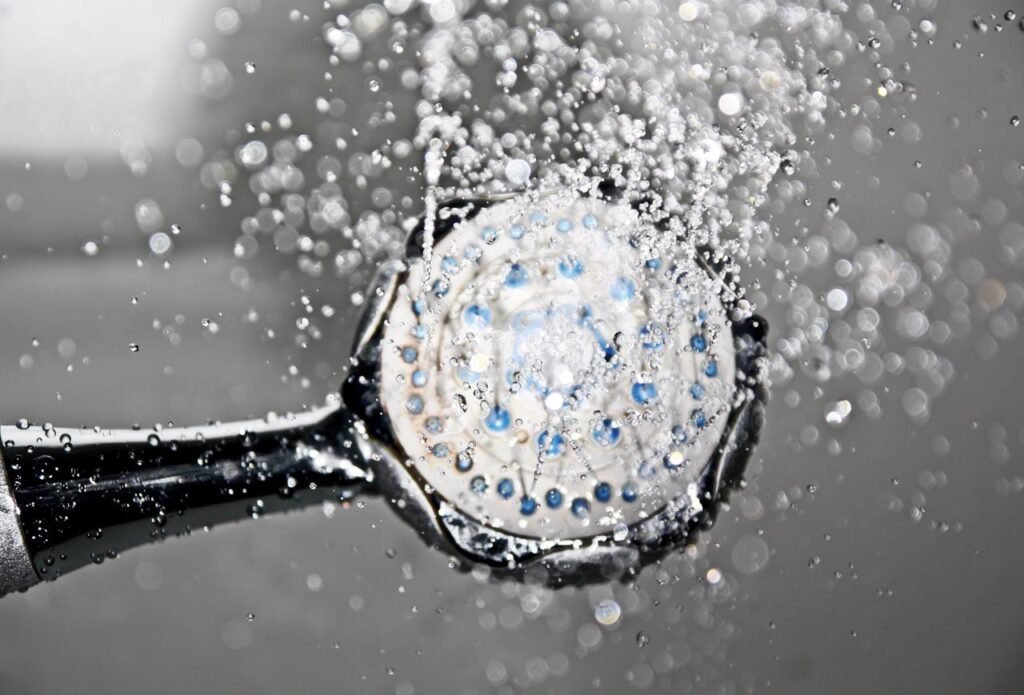
A handheld shower head does what a fixed head never can: it rinses shampoo from a toddler’s hair without the screaming, cleans the shower walls after every use, and lets you direct water exactly where aging joints or sore muscles need it. The best handheld shower head combines strong water pressure, a comfortable grip, a long flexible hose, and reliable construction at a price that makes sense. After evaluating flow rates, spray patterns, and real-world durability, these are the models worth your money.
Part of our Bathroom Remodeling & Flooring guide — explore the full guide →
Top Picks on Amazon
Top Picks at a Glance
- Best overall: Moen Magnetix Attract: magnetic docking, 6 spray settings, excellent pressure
- Best budget: Waterpik PowerPulse: therapeutic massage setting, strong flow, great value
- Best high-end: Delta HydroRain Two-in-One: combines fixed rain head with handheld, premium finish
- Best for low pressure: Speakman Anystream: engineered for maximum pressure even on low-flow systems
- Best for accessibility: Moen Home Care: extra-long 69-inch hose, designed for seated showering
Moen Magnetix Attract: Best Overall
Moen’s Magnetix system uses a magnetic dock that snaps the shower head into place with a satisfying click, so no more fumbling to reseat the head in a traditional cradle, especially with wet, soapy hands. The magnetic connection holds firmly during showering but releases with a gentle pull.
The Attract model delivers 1.75 GPM (gallons per minute) at standard pressure and offers six spray modes including a wide rain setting and a focused jet for rinsing. The 5-inch face is large enough for full-body coverage but not so oversized that it becomes unwieldy as a handheld. Construction is solid: the body is ABS plastic with a chrome or brushed nickel finish, and the 60-inch stainless steel hose resists kinking.
It hits the sweet spot between features and value. Installation takes 10 minutes with no tools beyond an adjustable wrench to snug the hose connections. Moen’s limited lifetime warranty covers defects in material and workmanship.
Waterpik PowerPulse: Best Budget
Waterpik engineered the PowerPulse to deliver noticeably stronger pressure than competing models at the same flow rate. The secret is a pressure chamber inside the head that amplifies water force by up to 2x, making a 2.0 GPM flow feel like significantly more. Users consistently report being surprised by the pressure difference compared to their previous shower heads.
The 7-spray setting dial includes a pulsating massage mode that actually provides therapeutic pressure on sore muscles, not the weak pulsation found on most budget models. The face is 4.5 inches across, and the included 5-foot hose is adequate though not exceptional in length.
The PowerPulse is the best value in the handheld category. The chrome finish is not as refined as Moen or Delta, and the dial mechanism feels slightly less premium, but the performance-per-dollar ratio is unbeatable. Waterpik backs it with a 2-year warranty.
Delta HydroRain: Best High-End
The HydroRain combines a large 6-inch fixed rain shower head with a separate handheld unit, both running simultaneously or independently. You get the luxury of a rain shower plus the utility of a handheld without choosing between them.
The handheld component delivers 4 spray settings through a 4-inch face connected by a 72-inch hose, longer than most competitors. Delta’s Touch-Clean nozzles feature flexible rubber jets that wipe clean with a finger, preventing the mineral buildup that clogs lesser shower heads over time. Both heads deliver a combined 2.5 GPM maximum.
Premium finishes include chrome, brushed nickel, matte black, and champagne bronze, letting you match existing bathroom hardware. Specialty finishes cost more than chrome. Delta’s lifetime limited warranty is among the strongest in the plumbing industry.
What to Look for When Buying
Flow rate determines water pressure and consumption. Federal regulations cap shower heads at 2.5 GPM, but most modern handheld models operate at 1.75-2.0 GPM. If you have naturally low water pressure (under 40 PSI), look for models specifically designed to amplify flow, like the Speakman Anystream or Waterpik PowerPulse.
Hose length affects usability more than most people expect. A 60-inch hose is standard and works for most adults standing in a tub. For seated showering, bathing children, or washing pets, upgrade to 72 inches minimum. Some manufacturers sell extension hoses separately for $10-$15 if the included hose is too short.
- Face diameter: 4-5 inches for standard handheld use, 6+ inches for rain-style coverage
- Spray settings: 3-6 modes are standard. Prioritize a strong focused jet and a wide rain mode; the other settings get used rarely
- Hose material: Stainless steel braided hoses resist kinking better than plastic. Worth the slight price premium
- Mount type: Slide bar mounts allow height adjustment. Fixed brackets are simpler but less flexible
- Anti-clog nozzles: Rubber or silicone nozzle tips that flex and release mineral deposits with a wipe
Installation Guide
Replacing a fixed shower head with a handheld model is one of the easiest home upgrades. No plumber required: the entire job takes 10-15 minutes.
- Unscrew the existing shower head by hand or with an adjustable wrench. Wrap a cloth around the connection to prevent scratching the finish
- Clean the shower arm threads. Remove old Teflon tape and any debris
- Wrap 3-4 turns of new Teflon tape clockwise around the shower arm threads
- Screw on the new mount bracket or diverter (hand-tighten plus a quarter turn with a wrench)
- Connect the flexible hose to the mount and the handheld head (hand-tighten only, since rubber washers inside the connections create the seal)
- Turn on the water and check all connections for leaks. Tighten slightly if any drips appear
For combo units that include both a fixed and handheld head, the installation includes a diverter valve that mounts to the shower arm. This adds one more connection but follows the same basic process. No cutting, soldering, or behind-the-wall work is involved.
Maintenance Tips
Hard water mineral buildup is the number one killer of shower head performance. Once a month, soak the handheld head in a plastic bag filled with white vinegar for 2-4 hours. Tie the bag around the head with a rubber band so the nozzles are fully submerged. Rinse, flex any rubber nozzle tips to clear loosened deposits, and run hot water through the head for 30 seconds.
Inspect the hose connections quarterly for signs of wear or corrosion. Replace rubber washers annually; they cost $0.50 each at any hardware store and prevent the slow drips that waste water and cause mineral staining. A well-maintained handheld shower head lasts 5-10 years before needing replacement, making even a premium $100 model cost less than $1 per month over its lifespan.