The cheap solar deck lights at the big-box store look great on the shelf and die three months later when the AAA battery inside corrodes from condensation. Finding the best solar deck lights means looking past the marketing claims at battery type, lumens output, IP rating, and panel efficiency. After installing solar lighting on dozens of client decks, fences, and outdoor stairs across the country, I have separated the genuinely good products from the ones that end up in the trash by year two. This guide cuts the noise and points you at lights worth your money.
Part of our Decks & Outdoor guide — explore the full guide →
What to Look For Before Buying
Five specifications separate the winners from the throwaways. Lumens output measures actual brightness — anything under 5 lumens looks like a glow-worm. IP rating measures weatherproofing — IP65 or higher survives rain and snow without sealing failures. Battery type matters most for longevity — replaceable lithium-ion lasts 3-5x longer than the sealed NiMH packs in cheaper units.
Panel size determines charge speed and total energy collected per day. A 2×2-inch panel produces about half the daily charge of a 3×3-inch panel under the same sun. Finally, look at the housing material. Powder-coated aluminum and stainless steel survive years outdoors. ABS plastic lights yellow and crack within 18 months in direct sun.
Stair Riser Lights
Stair lights mount on or near the vertical rise of each step and illuminate the tread surface for safe footing. The best models use directional optics that aim light down and forward without blinding people going up. Brightness needs are modest — 3-5 lumens per fixture is plenty when spaced every 3-4 feet.
Top picks in this category include the Volt Top Dog Stair Light ($45 each) for premium installations and the Aootek Solar Step Light ($35 for a 4-pack) for budget projects. Look for built-in light sensors that activate at dusk and shut off at dawn. Skip stair lights with motion sensors — they create a strobe effect as people walk past.
Post Cap Lights
Post caps install on top of deck or fence posts and serve as both lighting and design accents. The best units pair a clear or frosted glass top with a powder-coated metal base. Light output runs 10-30 lumens — enough to mark the perimeter of a deck and provide ambient glow without lighting up the whole yard.
Classic White House model post caps from Greenlighting run $30-$50 each and have a 5-year warranty. The Kemeco ST4311AQ at $80 a pair delivers higher lumens for larger posts. Make sure the diameter matches your posts — most options fit 4×4 nominal (3.5×3.5 actual) posts. For 6×6 posts, look at the larger Davinci series.
Railing-Mount Lights
Railing-mount lights clip onto the top rail of a deck or staircase and provide path lighting plus a styled look. They work brilliantly on decks with cable rails or thin metal rails where post caps would look out of scale.
The Gigalumi rail lights at $40 for a 6-pack hit the sweet spot for cost and quality. For high-end installations, the Aurora Deck Lighting solar rail set runs $200 for 8 lights but uses lithium-ion batteries with 4-year service life. Position the lights at 24-36 inch intervals along the rail to avoid dark spots between fixtures.
Pathway and Border Lights
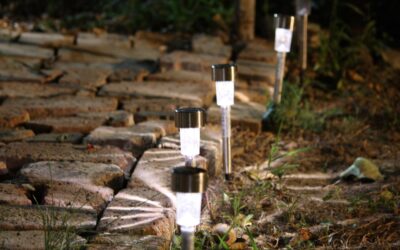
Solar pathway lights mark walkways, garden edges, and the perimeter of a deck. They sit on stakes pushed into soil and need clear sky exposure to charge well. The best units use a focused beam that puts light on the ground rather than spilling it sideways into the air.
Categories worth knowing:
- Glass diamond style — decorative and bright. Examples include the Brightech Ambience Pro and Hampton Bay Borderline at $40-$80 per set of 6
- Stainless steel ground spike — durable, classic look. The TWINSLUXES set runs $60 for 6
- Vintage Edison bulb style — large output, focal point. Best when used sparingly at entry points
- String pathway lights — chain-connected, single solar panel powers many lights. Good for long borders
Choose by the look you want. Avoid sets with built-in color-changing modes — they wear out faster and almost always look cheap after the novelty wears off.
String Lights for Ambient Coverage
Solar string lights drape across railings, pergolas, and umbrellas to create patio ambiance without running power. The best models use a single larger solar panel mounted in full sun that powers 30-100 LED bulbs along a 25-50 foot string. Lumens per bulb stay low at 1-3 lumens, but cumulative effect is plenty.
Top picks include the Brightech Ambience Pro Solar at $50 for a 27-foot string with 12 G40 bulbs. For larger decks, the LiteHouse Globe lights at $80 for a 50-foot string with 20 bulbs deliver a magical look. Verify the rated bulb life — quality LED bulbs last 30,000+ hours, while cheap ones burn out by year two.
Battery Type and Replaceability
Battery quality is the single biggest predictor of how many seasons your lights survive. Three battery types appear in the market:
- NiMH AA or AAA — common, replaceable at any hardware store, decent 2-3 year life
- NiMH sealed packs — common in budget units, not replaceable, fails the unit at 1-2 years
- Lithium-ion 18650 cells — premium, 4-6 year life, replaceable in better designs
Avoid lights with sealed non-replaceable batteries unless they cost under $5 each. When the battery dies, the whole fixture is trash. Lights with screw-in or clip-in battery compartments let you replace the cells for $2-$3 and double the useful life.
Installation Tips That Save Headaches
Mount solar lights where they get at least 6 hours of direct sunlight daily. Trees, eaves, and shade from neighboring structures dramatically reduce charge. South or west-facing exposure works best in the northern hemisphere.
Clean the solar panels every 3 months with a damp microfiber cloth. Dust and pollen build-up cuts charge efficiency 30-40 percent. In snowy climates, brush snow off panels after storms — they will not charge under a blanket of snow. With these basic habits, the best solar deck lights stay bright and reliable for many years and turn ordinary outdoor spaces into something special after dark.