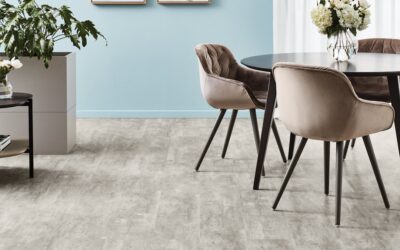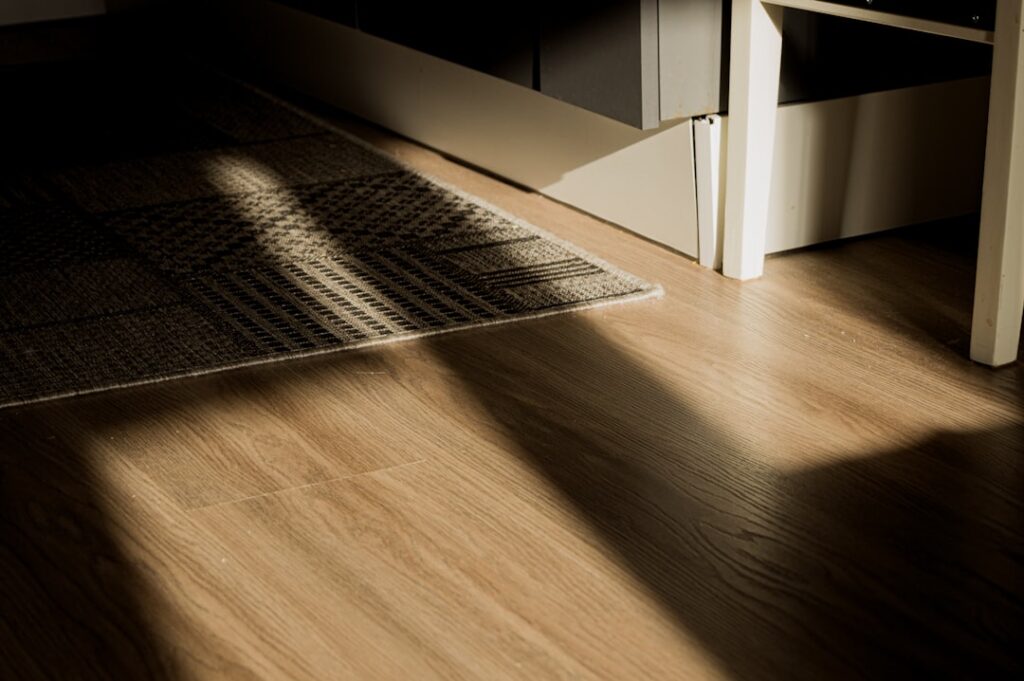
Vinyl has quietly become one of the most popular floor coverings in British homes, and it is easy to see why. Modern luxury vinyl is waterproof, warm underfoot, and convincing enough to pass for real oak or stone. Choosing the best vinyl flooring in the UK means weighing format, thickness, and whether it suits damp British weather and the underfloor heating common in new builds and extensions. This guide breaks down the options and the prices in pounds.
Why Vinyl Works in British Homes
The UK climate is wet and mild, and indoor humidity runs higher than in continental Europe. That makes waterproof flooring genuinely useful, not just a nice-to-have. Vinyl will not swell like laminate when water gets onto it, which matters in kitchens, bathrooms, utility rooms, and the hallways that take the brunt of rainy-day foot traffic. It is also warmer and quieter underfoot than tile, a welcome quality in older, draughty properties.
The Main Types You’ll Find
UK retailers stock several vinyl formats, and the right one depends on your room and budget.
- Luxury vinyl tiles (LVT) — glue-down planks and tiles with superb realism. A favourite of designers for herringbone and stone-look floors.
- SPC rigid-core click planks — stone-polymer cores that snap together and float over the subfloor. The most popular DIY-friendly choice, fully waterproof and dimensionally stable.
- Loose-lay vinyl — heavy planks that grip the floor without adhesive, easy to lift and replace.
- Sheet vinyl (cushioned vinyl) — the budget classic, sold by the metre, ideal for bathrooms and rentals.
For most homeowners, SPC click flooring delivers the best mix of durability, waterproofing, and straightforward installation.
Prices in Pounds
Vinyl spans a wide range. Budget cushioned sheet vinyl starts around £8 to £15 per square metre. Entry-level LVT and SPC click planks run roughly £18 to £30 per square metre, while premium ranges from well-known brands climb to £40 to £60 per square metre for thicker boards with longer guarantees. Professional fitting typically adds £8 to £20 per square metre depending on the format and subfloor preparation, with glue-down LVT costing more to fit than click systems because it is more labour-intensive.
Always check whether a quote includes underlay, beading, and old-floor removal, and gather two or three estimates on the same specification before committing.
What to Look for in Quality
The wear layer is the spec that separates a floor that lasts from one that scuffs in a year. For domestic use, look for a wear layer of at least 0.3mm; for busy family homes and light commercial settings, 0.55mm or more. Overall thickness of 4mm to 6mm on SPC planks gives a solid, quiet feel and bridges minor subfloor imperfections. Check the guarantee too — reputable ranges offer 15 to 25 year domestic warranties, a useful signal of build quality.
Vinyl and Underfloor Heating
Underfloor heating is increasingly standard in UK extensions and renovations, and most quality vinyl is compatible — but confirm it on the product specification. The manufacturer will state a maximum surface temperature, usually around 27°C, and exceeding it can damage the floor. SPC and LVT both transmit heat well and warm up quickly. Ramp the heating up gradually after fitting, and never lay vinyl over a system you intend to run hotter than the rated limit.
Pros and Cons
- Pros: waterproof, warm and quiet underfoot, realistic wood and stone designs, hard-wearing, low maintenance, and compatible with underfloor heating.
- Cons: cheaper products can dent or fade, it does not add resale value the way real wood or stone does, glue-down formats need careful subfloor prep, and very low-cost vinyl may have a thin wear layer that wears through quickly.
Best Choices by Room
Match the format to the space:
- Kitchen and utility: waterproof SPC click planks stand up to spills and heavy footfall.
- Bathroom: sheet vinyl or fully sealed SPC keeps water out at the seams.
- Living areas and hallways: LVT in wood or herringbone for a premium look that handles traffic.
- Bedrooms: mid-range click vinyl offers warmth and quiet at a sensible price.
Fitting: DIY or Professional
One of vinyl’s attractions in the UK is how approachable it is to fit yourself. Click-lock SPC and loose-lay planks float over a clean, dry, level subfloor and need only a tapping block, spacers, and a sharp knife or saw. A confident DIYer can lay a simple rectangular room in a weekend and save the fitting cost entirely. Glue-down LVT is a different matter. It demands meticulous subfloor preparation and adhesive work, and the realistic patterns and herringbone layouts that make it so desirable are unforgiving of mistakes. For glue-down, large open areas, stairs, or pattern work, a professional fitter earns their fee. Whatever the format, the subfloor must be flat and dry, since damp concrete and bumps beneath the floor cause most fitting failures.
Maintenance and Longevity
Vinyl is among the easiest floors to keep, which suits busy British households. Sweep or vacuum regularly to stop grit scratching the wear layer, and damp-mop with a mild floor cleaner rather than harsh chemicals or abrasive scrubbers that dull the surface. Wipe spills promptly even though the floor is waterproof, and use felt pads under furniture legs to prevent dents and scuffs. Place a doormat at each entrance to catch the grit and moisture that British weather tracks indoors. Treated this way, a quality vinyl floor with a decent wear layer comfortably lasts 15 to 25 years, matching the guarantees the better ranges advertise.
Making Your Decision
The best vinyl flooring in the UK is the one matched to your room, your subfloor, and your budget. Prioritise a wear layer of at least 0.3mm, choose waterproof SPC for kitchens and bathrooms, and confirm underfloor heating compatibility if you have it. Compare quotes that include fitting and ancillaries, and lean toward ranges with a strong written guarantee. Do that, and you will get a floor that looks the part and survives years of British weather and daily wear.
Prefer to explore on your own?
See how new flooring looks in your actual room in seconds — free, no signup.
Try the free Floor Studio →