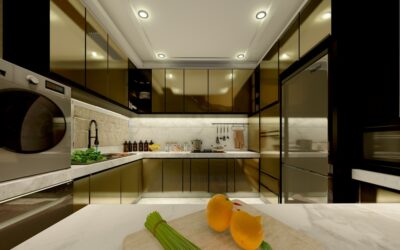
Your kitchen floor deals with more water than any other room in your home except the bathroom. Between sink splashes, dishwasher leaks, pot boil-overs, spilled drinks, and the occasional mopping, your kitchen floor needs to handle moisture without flinching. Choosing the best waterproof flooring for your kitchen means balancing water resistance with style, comfort, durability, and budget.
Part of our Roofing guide — explore the full guide →
This guide ranks the top waterproof kitchen flooring options, compares them on the factors that matter most, and helps you choose the right material for your cooking space.
What Makes Kitchen Flooring Different
Kitchen floors face a unique combination of challenges that sets them apart from other rooms:
Frequent water exposure. From cooking splashes to pet water bowls, kitchen floors get wet multiple times every day. The flooring must resist water on the surface and prevent moisture from reaching the subfloor.
Heavy foot traffic. Kitchens are often the most heavily trafficked room in the home. The floor must resist wear, scratches, and scuffs from daily use.
Dropped objects. Cans, pots, utensils, and dishes fall on kitchen floors regularly. The flooring needs to withstand impacts without cracking, chipping, or denting.
Standing comfort. You spend more time standing in the kitchen than in any other room. Comfortable flooring reduces fatigue during long cooking sessions.
Stain resistance. Wine, tomato sauce, grease, and other kitchen substances can stain porous flooring. The surface must resist staining and clean up easily.
Waterproof Kitchen Flooring Rankings
1. Porcelain Tile
Porcelain tile earns the top spot for waterproof kitchen flooring because it is the most completely and permanently waterproof option available. Porcelain’s dense, fired-clay body absorbs virtually zero moisture, meaning it will never warp, swell, or degrade from water exposure. You could flood a porcelain tile kitchen and the tile would be completely unaffected.
Modern porcelain tiles are available in stunning wood-look, concrete-look, marble-look, and natural stone-look designs. High-end porcelain with embossed-in-register textures can be nearly indistinguishable from the real materials they mimic.
The downsides of porcelain in a kitchen are hardness and cold. Standing on porcelain for long cooking sessions can cause leg and back fatigue. The surface is cold underfoot, especially in winter, though radiant floor heating solves this. Porcelain is also the most expensive option to install due to higher labor costs.
If a glass or ceramic dish falls on a porcelain floor, both the dish and possibly the tile can break. Anti-fatigue kitchen mats in front of the sink and stove help with comfort and protect dishes.
Waterproof rating: 10/10. Zero water absorption.
Durability: 10/10. Resists scratches, stains, and heavy traffic for decades.
Comfort: 4/10. Hard and cold without radiant heating.
Style: 9/10. Enormous variety of realistic designs.
Cost: $8 to $20 per square foot installed.
2. SPC Vinyl Plank
SPC (Stone Plastic Composite) vinyl plank combines complete waterproof performance with a rigid core that resists dents and indentations. The stone composite core provides dimensional stability that prevents warping or buckling even under prolonged water exposure.
SPC is more comfortable underfoot than porcelain, especially when it includes an attached cork or IXPE underlayment pad. It is warmer to the touch and provides slight cushioning that reduces standing fatigue. The click-lock installation is DIY-friendly and can often be completed in a weekend.
For kitchens, SPC vinyl plank offers the best balance of waterproof performance, durability, comfort, and ease of installation. The rigid core handles dropped objects well without cracking, and the vinyl surface resists stains from kitchen spills.
Waterproof rating: 10/10. Completely waterproof through the core.
Durability: 8/10. Resists scratches and dents well. May show wear under very heavy traffic after 10 to 15 years.
Comfort: 7/10. Warmer and softer than tile with attached underlayment.
Style: 8/10. Realistic wood and stone looks. Improving every year.
Cost: $5 to $10 per square foot installed.
3. WPC Vinyl Plank
WPC (Wood Plastic Composite) vinyl plank is similar to SPC but with a softer, foamed core that provides more cushioning underfoot. This makes WPC the most comfortable hard-surface waterproof option for kitchens where you stand for long periods.
The trade-off for that comfort is that WPC is more susceptible to denting from heavy objects or concentrated weight (like bar stool legs) than SPC. It is also slightly less dimensionally stable, meaning it is more sensitive to extreme temperature changes. Both of these concerns are manageable with proper furniture pads and temperature control.
WPC is fully waterproof and handles kitchen spills without any issues. It installs with the same click-lock system as SPC, making it a straightforward DIY project. For more details on both types, see our complete guide to waterproof flooring.
Waterproof rating: 10/10. Completely waterproof through the core.
Durability: 7/10. Good scratch resistance but more prone to denting than SPC.
Comfort: 8/10. The most comfortable rigid-core option.
Style: 8/10. Same realistic visuals as SPC.
Cost: $5 to $10 per square foot installed.
4. Sheet Vinyl
Sheet vinyl is the most budget-friendly waterproof kitchen flooring and has been a kitchen staple for decades. Modern sheet vinyl comes in realistic patterns and colors that have improved dramatically from the cheap-looking options of the past.
The biggest advantage of sheet vinyl in a kitchen is seamless coverage. A single sheet covers the entire kitchen floor with no joints or seams where water can penetrate. This makes it the most completely watertight installation possible, even better than click-lock planks that have micro-gaps between joints.
Sheet vinyl is soft and warm underfoot, making it comfortable for standing. It is also the thinnest waterproof option, which is helpful in kitchens where appliances need to slide under counters and height transitions to adjacent rooms need to be minimal.
Waterproof rating: 10/10. Seamless coverage eliminates all water penetration risk.
Durability: 5/10. Softer surface scratches and tears more easily than other options.
Comfort: 8/10. Soft and warm underfoot.
Style: 6/10. Improving but still less realistic than plank or tile.
Cost: $3 to $7 per square foot installed.
5. Luxury Vinyl Tile (LVT)
Luxury vinyl tile offers a stone or ceramic tile appearance in a waterproof vinyl format. Individual tiles with click-lock or glue-down installation create a tile look that is warmer, softer, and more affordable than real porcelain.
In kitchens, LVT works well for homeowners who want a tile aesthetic without the hardness, cold, and installation cost of real tile. The vinyl surface provides better standing comfort and will not shatter dishes that fall on it.
The distinction between LVT and LVP is primarily visual. LVT comes in square or rectangular tile shapes with stone or tile patterns, while LVP comes in plank shapes with wood patterns. The core materials and waterproof performance are the same.
Waterproof rating: 10/10. Same waterproof core as vinyl plank.
Durability: 7/10. Same performance as vinyl plank.
Comfort: 7/10. Same comfort as vinyl plank.
Style: 8/10. Realistic stone and tile looks.
Cost: $5 to $10 per square foot installed.
6. Natural Stone
Natural stone like granite, slate, and quartzite is inherently water-resistant and performs well in kitchens when properly sealed. Polished granite and sealed slate handle kitchen spills without staining when the sealant is maintained every one to two years.
The main concern with natural stone in kitchens is that it is porous. Without proper sealing, oils, acids, and colored liquids can stain the stone. Wine, lemon juice, and vinegar are particularly damaging to marble and limestone, which should be avoided in kitchens.
Waterproof rating: 7/10. Water-resistant when sealed, but porous without sealant.
Durability: 9/10. Extremely hard and long-lasting.
Comfort: 3/10. Hard and cold, similar to porcelain.
Style: 10/10. Nothing matches the beauty of real stone.
Cost: $15 to $35 per square foot installed.
Materials to Avoid in Kitchens
Solid Hardwood
Solid hardwood is not waterproof and will warp, cup, and develop mold when exposed to repeated water contact. While many kitchens have hardwood floors, they require constant vigilance about spills and are vulnerable to damage from dishwasher and refrigerator leaks.
Standard Laminate
The HDF core in standard laminate swells when exposed to water. Even water-resistant laminate products are not truly waterproof and can fail if a significant spill or leak goes unnoticed. For kitchen use, vinyl plank is a better choice in the same price range.
Carpet
Carpet in a kitchen is impractical and unsanitary. Food spills, grease, and moisture will quickly stain and degrade carpet, and the backing can develop mold in the wet kitchen environment.
Choosing the Right Waterproof Kitchen Floor
Best for Luxury and Longevity
Porcelain tile or natural stone. Both will outlast the kitchen itself and offer unmatched durability. The higher upfront cost is offset by decades of trouble-free service.
Best Balance of Performance and Value
SPC vinyl plank. It offers complete waterproof protection, good durability, reasonable comfort, and an attractive price point. SPC is the most popular kitchen flooring upgrade for good reason.
Best for Standing Comfort
WPC vinyl plank or sheet vinyl. If you spend hours cooking and standing in your kitchen, the softer core of WPC or the cushioned surface of sheet vinyl will reduce fatigue.
Best for Budget
Sheet vinyl. At $3 to $7 per square foot installed, sheet vinyl provides reliable waterproof performance at the lowest cost. Modern patterns look much better than the sheet vinyl of decades past.
Best for Open-Concept Kitchens
SPC or WPC vinyl plank that runs continuously from the kitchen through the living and dining areas. A single flooring material throughout an open floor plan creates visual continuity and makes the space feel larger.
Installation Considerations for Kitchen Flooring
Appliance planning. Consider how flooring height affects appliances that slide under counters. Thick flooring may prevent a dishwasher or refrigerator from fitting. Measure clearances before choosing your flooring thickness.
Transition to adjacent rooms. If the kitchen connects to rooms with different flooring, plan transition strips and height differences. The smoothest look comes from running the same floor continuously through adjacent rooms.
Subfloor preparation. Kitchen subfloors must be level and clean before installation. For tile, use a self-leveling compound to correct any unevenness. For vinyl, minor imperfections can telegraph through the surface.
Waterproofing beneath tile. Even though porcelain tile is waterproof, the grout and subfloor beneath it are not. Apply a waterproofing membrane to the subfloor before installing kitchen tile to protect against leaks that penetrate through grout joints.
Frequently Asked Questions
Is vinyl plank really waterproof enough for a kitchen?
Yes. SPC and WPC vinyl plank are completely waterproof through the core. They can handle standing water for extended periods without damage. The only vulnerability is at the edges and seams, where water can potentially reach the subfloor if it pools for a very long time. Wipe up major spills within a few hours and you will have no issues.
Can I put waterproof flooring over existing kitchen tile?
Yes, as long as the existing tile is level, firmly adhered, and in good condition. Floating vinyl plank can be installed directly over existing tile. Make sure the new flooring height does not interfere with appliances or create awkward transitions at doorways.
What is the most durable kitchen flooring?
Porcelain tile is the most durable kitchen flooring. It resists scratches, stains, moisture, impacts, and heavy traffic better than any other material. With proper installation, a porcelain kitchen floor can last 50 years or more.
How do I protect my kitchen floor from refrigerator leaks?
Place a waterproof drip tray under your refrigerator and check it periodically. Inspect the water supply line to the ice maker annually for signs of wear or leakage. For extra protection, apply silicone sealant along the flooring perimeter near the refrigerator alcove.
Final Thoughts
The best waterproof flooring for your kitchen depends on your priorities. Porcelain tile is unbeatable for durability and longevity. SPC vinyl plank offers the best all-around value. WPC and sheet vinyl provide superior comfort for avid cooks who spend hours on their feet. Natural stone delivers luxury that no other material can match.
Whatever you choose, waterproof performance should be non-negotiable in a kitchen. The peace of mind that comes from knowing a leak or spill will not destroy your floor is worth every penny.
Prefer to explore on your own?
See how new flooring looks in your actual room in seconds — free, no signup.
Try the free Floor Studio →