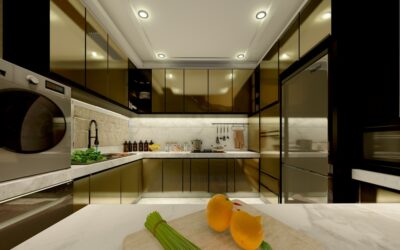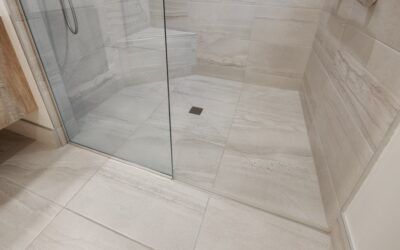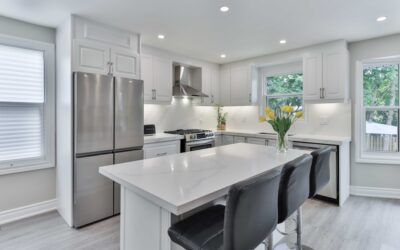

The kitchen is one of the hardest-working rooms in your home, and the floor takes the brunt of it. Spills from cooking, splashes from the sink, leaks from the dishwasher, pet water bowls, and wet shoes all put your kitchen floor in constant contact with moisture. Choosing a waterproof flooring material is not just smart; it is essential for long-term durability.
Part of our Roofing guide — explore the full guide →
This guide ranks the best waterproof kitchen flooring options based on moisture performance, durability, style, comfort, and value. Whether you want the look of hardwood, the durability of tile, or the affordability of vinyl, you will find a waterproof option that fits your kitchen perfectly.
What Makes Kitchen Flooring Truly Waterproof
There is an important difference between water-resistant and waterproof flooring. Water-resistant materials can handle brief contact with moisture but will eventually absorb water and sustain damage. Waterproof materials can sit in standing water indefinitely without damage to the flooring itself.
For kitchens, waterproof is the better standard. Dishwasher leaks, overflowing sinks, and spills that go unnoticed under appliances can expose the floor to water for hours. A truly waterproof floor survives these incidents; a water-resistant one may not.
Keep in mind that even waterproof flooring does not protect against water that seeps underneath it. Proper installation with sealed edges and perimeters is still necessary to protect the subfloor. Our waterproof flooring guide covers the full range of waterproof options for every room.
While you’re upgrading the kitchen floor, it might be a good time to rethink the seating too. Swapping out old bar stools is one of those small changes that makes the whole room feel more pulled together.
We may earn a commission when you purchase through our links.
Best Waterproof Kitchen Flooring Options Ranked
1. Porcelain Tile
Porcelain tile earns the top spot because it is the most completely waterproof, durable, and long-lasting kitchen flooring available. Porcelain absorbs less than 0.5% of moisture, making it virtually impervious to water from any source.
Why it ranks first: Porcelain handles everything a kitchen throws at it. Spills, standing water, heavy traffic, dropped pots, rolling carts, and pet claws. It does not scratch, stain, or fade. Properly installed porcelain tile with epoxy grout creates a nearly impenetrable waterproof surface.
Design options: Modern porcelain comes in wood-look planks, natural stone replicas, concrete styles, and decorative patterns. The wood-look porcelain planks are particularly popular for homeowners who want hardwood aesthetics with zero water risk.
Downsides: Hard and cold underfoot, unforgiving on dropped dishes, and more expensive to install than other options. Professional installation is recommended.
Cost: $3 to $10 per square foot for materials, $5 to $12 per square foot installed. Learn more in our tile flooring guide.
2. SPC (Stone Plastic Composite) Flooring
SPC flooring is the top-performing rigid core vinyl option for kitchens. Its stone-based core is 100% waterproof, dimensionally stable, and harder than WPC alternatives.
Why it ranks second: SPC combines waterproof performance with easy click-lock installation, realistic wood and stone visuals, and comfortable underfoot feel. It handles temperature swings better than WPC and can be installed over most existing floors.
Design options: Available in wood plank, stone tile, and abstract designs. Embossed-in-register textures make premium SPC products nearly indistinguishable from real wood at a glance.
Downsides: Not as hard as porcelain, so sharp objects can damage the wear layer. Cannot be refinished. Quality varies significantly between brands.
Cost: $2.50 to $6.00 per square foot for materials, $4 to $9 per square foot installed. See our SPC flooring guide for product comparisons.
3. WPC (Wood Plastic Composite) Flooring
WPC flooring is similar to SPC but uses a foamed core that is softer and warmer underfoot. It is 100% waterproof and available in beautiful wood-look designs.
Why it ranks third: WPC is more comfortable than SPC for standing and walking, which matters in kitchens where you spend extended time on your feet. The thicker construction provides better sound insulation, and the built-in underlayment on many WPC products simplifies installation.
Design options: Primarily wood plank styles in widths up to 9 inches. Some products feature hand-scraped and wire-brushed textures for authentic character.
Downsides: Slightly less stable than SPC in temperature extremes. The softer core is more susceptible to denting from heavy point loads like refrigerator feet without proper protection.
Cost: $3.00 to $7.00 per square foot for materials, $5 to $10 per square foot installed.
4. Sheet Vinyl
Sheet vinyl is one of the most waterproof kitchen flooring options because it covers the entire floor with minimal or no seams. Water simply cannot penetrate a continuous sheet of vinyl.
Why it ranks fourth: Sheet vinyl provides seamless waterproof coverage at the lowest cost of any option on this list. It is soft underfoot, easy to clean, and available in an enormous range of designs including realistic wood, stone, and tile patterns.
Design options: Modern sheet vinyl has come a long way from the dated patterns of decades past. High-end sheet vinyl from Mannington, Armstrong, and Tarkett features photorealistic prints and textured surfaces.
Downsides: Can be punctured or torn by sharp objects. Shows subfloor imperfections if not installed over a smooth underlayment. Professional installation is recommended for the best results. Cannot be repaired easily if damaged; the entire section or sheet may need replacement.
Cost: $1.00 to $4.00 per square foot for materials, $3 to $7 per square foot installed.
5. Luxury Vinyl Tile (LVT) and Luxury Vinyl Plank (LVP)
LVT and LVP are modular vinyl flooring options that are 100% waterproof. They come in individual tiles or planks that click together or glue down.
Why it ranks fifth: LVT and LVP offer excellent design versatility, easy DIY installation, and full waterproof performance. They are the most popular kitchen flooring choice in new construction and remodels. Individual planks or tiles can be replaced if damaged.
Design options: The broadest selection of any flooring type. Wood species replicas, stone looks, geometric patterns, and solid colors. Our LVP flooring guide covers the full range.
Downsides: Seams between planks and tiles create potential entry points for water, though click-lock joints on quality products are very tight. Not as hard or impact-resistant as porcelain tile.
Cost: $2.00 to $7.00 per square foot for materials, $4 to $9 per square foot installed.
6. Waterproof Laminate
Waterproof laminate uses SPC or WPC cores instead of traditional HDF, giving it genuine waterproof performance while maintaining the realistic look and feel that laminate is known for.
Why it ranks sixth: Waterproof laminate offers the most wood-like feel of any waterproof option. The thicker construction and harder surface feel more substantial underfoot than vinyl alternatives. Click-lock installation is fast and DIY-friendly.
Downsides: More expensive than standard laminate. Fewer design options than LVP. The technology is newer, so long-term performance data is limited compared to tile and vinyl.
Cost: $3.00 to $5.00 per square foot for materials, $5 to $8 per square foot installed. See our laminate flooring guide for brand comparisons.
Kitchen Design Trends for Waterproof Floors
Wood-Look Planks
The overwhelming trend in kitchen flooring is wood-look planks, whether in porcelain, SPC, WPC, LVP, or waterproof laminate. Oak tones dominate, with white oak being the single most popular look. Wide plank formats (7 inches and wider) create a modern, spacious feel.
Large Format Tile
Large format tiles (24×24 inches or larger) minimize grout lines and create a sleek, contemporary kitchen floor. Concrete-look and natural stone-look porcelain tiles in large formats are particularly popular in modern and industrial kitchen designs.
Warm Neutral Tones
The cool gray trend has been slowly giving way to warmer tones. Greige (gray-beige), warm whites, honey tones, and natural wood colors are leading kitchen flooring color choices. These warmer tones create an inviting atmosphere and complement a wider range of cabinet and countertop colors.
Matte and Textured Finishes
High-gloss floors are fading in popularity in kitchens because they show every footprint, water spot, and scratch. Matte, wire-brushed, and textured finishes hide imperfections, provide better traction, and create a more natural, relaxed look.
Patterned Tile
Geometric and encaustic-look patterned tiles are popular for kitchen floors, especially in transitional and eclectic designs. These bold patterns work as a design focal point when the rest of the kitchen is kept simple.
Factors to Consider When Choosing
Comfort and Standing Time
If you spend a lot of time cooking and standing in the kitchen, comfort matters. WPC, sheet vinyl, and LVP are the softest options. Porcelain tile is the hardest. Anti-fatigue mats at the sink and stove can supplement any flooring choice.
Durability and Lifespan
Porcelain tile lasts 50+ years. SPC and quality LVP last 15 to 25 years. Sheet vinyl lasts 10 to 20 years. Waterproof laminate is expected to last 15 to 25 years based on current data. Choose based on how long you plan to stay in the home and your tolerance for eventual replacement.
Installation Method
DIY installation saves significant money. Click-lock SPC, WPC, LVP, and waterproof laminate are all DIY-friendly. Sheet vinyl and porcelain tile are best left to professionals.
Resale Value
Porcelain tile and quality LVP/SPC add the most resale value. Sheet vinyl adds less perceived value, even though its performance may be excellent. Waterproof laminate falls somewhere in between. If you are planning to sell within a few years, choose a flooring that buyers recognize and value.
Pet and Family Considerations
Homes with dogs, cats, and young children need scratch-resistant, waterproof, and easy-to-clean flooring. SPC with a thick wear layer (20 mil+) handles pet claws well. Porcelain is virtually scratch-proof. Sheet vinyl can be punctured by large dog claws on the thinner products.
Cost Comparison Table
Here is a side-by-side cost comparison for waterproofing a 150-square-foot kitchen, including professional installation.
Sheet vinyl: $450 to $1,050 total.
LVP/LVT: $600 to $1,350 total.
SPC: $600 to $1,350 total.
WPC: $750 to $1,500 total.
Waterproof laminate: $750 to $1,200 total.
Porcelain tile: $750 to $1,800 total.
DIY installation reduces these totals by 30 to 50 percent for click-lock products.
Frequently Asked Questions
What is the most waterproof kitchen floor?
Porcelain tile with epoxy grout is the most waterproof kitchen floor. It is impervious to water from any direction. Sheet vinyl is a close second because of its seamless coverage.
Is vinyl or tile better for kitchen floors?
Tile is more durable and long-lasting, while vinyl is more comfortable, affordable, and easier to install. Both are fully waterproof. The best choice depends on your priorities: maximum longevity (tile) or maximum comfort and value (vinyl).
Can hardwood work in a waterproof kitchen?
Traditional hardwood is not waterproof and is risky in kitchens. Engineered hardwood with a waterproof core or finish treatment offers some protection but is still not as waterproof as tile, vinyl, or SPC. If you want real wood aesthetics, choose wood-look porcelain or SPC instead.
How do I protect my kitchen floor from dishwasher leaks?
In addition to choosing waterproof flooring, install a dishwasher leak pan (a shallow tray under the dishwasher) and consider a water leak detector that alerts you to leaks before they cause major damage. Seal the perimeter of any floating floor with silicone caulk to prevent water from seeping underneath.
Final Thoughts
Every kitchen deserves waterproof flooring. The best choice for your kitchen depends on your budget, design preferences, comfort needs, and how long you want the floor to last. Porcelain tile is the gold standard for durability and water resistance. SPC and WPC offer the best balance of performance, style, and value. Sheet vinyl delivers the most waterproof coverage per dollar. And waterproof laminate gives you the most natural feel underfoot.
Whatever you choose, prioritize genuine waterproof construction over mere water resistance. Your kitchen floor will thank you the next time the dishwasher decides to spring a leak.
Prefer to explore on your own?
See how new flooring looks in your actual room in seconds — free, no signup.
Try the free Floor Studio →