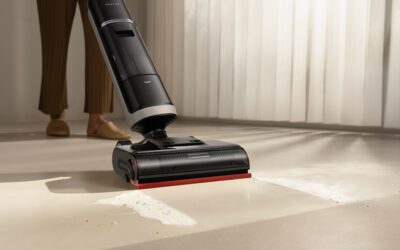
Every floor type has its own cleaning requirements. What works perfectly on tile can destroy hardwood. What keeps vinyl looking great can leave laminate warped and swollen. Using the wrong cleaning method or product on your floors does not just waste your time; it can cause real, permanent damage.
This guide covers the best cleaning methods for every major floor type, the tools and products that work, the mistakes to avoid, and universal tips that apply to all floors.
Hardwood Floors
Hardwood floors are beautiful but sensitive to moisture, abrasion, and harsh chemicals. The goal when cleaning hardwood is to remove dirt and grime without introducing excess water or damaging the finish.
Daily and Weekly Cleaning
Sweep or dust mop daily in high-traffic areas. Loose dirt, sand, and grit act like sandpaper under your feet, scratching the finish with every step. A microfiber dust mop picks up fine particles more effectively than a broom, which tends to push dust around.
Vacuum weekly using a hardwood-safe setting with the beater bar turned off. The beater bar (the rotating brush on the bottom of an upright vacuum) can scratch hardwood finishes. Canister vacuums with a hard floor attachment or stick vacuums designed for hard floors work well.
Damp Mopping
Damp mop hardwood floors once a week or as needed using a flat microfiber mop and a hardwood-specific cleaner. Bona Hardwood Floor Cleaner is the most widely recommended product among flooring professionals. It is pH-neutral, leaves no residue, and is safe for all polyurethane-finished hardwood.
The critical rule: the mop must be damp, not wet. Wring the mop until it barely feels moist. The floor should dry within 30 seconds after mopping. Standing water is hardwood’s enemy. It seeps into seams, penetrates the finish over time, and causes swelling, warping, and discoloration.
What to Avoid
- Steam mops (heat and moisture damage the finish and can warp boards)
- Vinegar (can dull polyurethane finishes over time)
- Wet Swiffers or excessively wet pads
- Oil soap (leaves a buildup that attracts dirt and interferes with future refinishing)
- Ammonia or bleach-based cleaners
Deep Cleaning
For heavy grime or buildup, use a hardwood floor deep cleaner like Bona PowerPlus. Apply according to the directions, let it sit briefly, then remove with a damp microfiber mop. For stubborn spots, a soft cloth dampened with cleaner and gentle rubbing usually works. Never use abrasive pads on hardwood.
For more on hardwood care, see our hardwood flooring guide.
Laminate Floors
Laminate looks like hardwood but is more sensitive to water because the core is made from compressed wood fibers (HDF). When water gets into laminate seams or edges, the core swells irreversibly. Cleaning laminate is all about minimal moisture.
Daily and Weekly Cleaning
Sweep, dust mop, or vacuum regularly to remove grit and debris. Laminate finishes are hard but can scratch if abrasive particles are dragged across them. A microfiber dust mop is the best daily tool.
Damp Mopping
Use a barely damp microfiber mop with a laminate-specific cleaner or just plain water. The key phrase is barely damp. After wringing the mop, it should feel dry to the touch with only the slightest hint of moisture. Mop in the direction of the planks and never allow water to pool or sit in the seams.
Laminate-specific cleaners like Black Diamond Wood and Laminate Floor Cleaner or Bona Hard-Surface Floor Cleaner are formulated to clean effectively without leaving residue. Avoid all-purpose cleaners, which can leave a dull film.
What to Avoid
- Steam mops (the moisture and heat penetrate seams and damage the core)
- Wet mopping with a string mop (too much water)
- Wax, polish, or shine-enhancing products (laminate has a factory-applied finish that these products cannot enhance and will build up on)
- Abrasive cleaners or scrubbing pads
Spot Cleaning
For sticky spots, dried food, or scuff marks, dampen a cloth with laminate cleaner or rubbing alcohol and rub gently. Dry immediately. For tougher marks, a magic eraser (melamine sponge) used lightly can work, but test in an inconspicuous area first as it is mildly abrasive.
Learn more in our laminate flooring guide.
Vinyl Floors
Vinyl flooring, including luxury vinyl plank (LVP), luxury vinyl tile (LVT), and sheet vinyl, is the most forgiving floor type when it comes to cleaning. Vinyl is waterproof, stain-resistant, and can handle most household cleaners without damage.
Daily and Weekly Cleaning
Sweep or vacuum regularly to remove dirt and grit. While vinyl is tough, grit can still create micro-scratches over time, especially on high-gloss finishes. A microfiber dust mop is ideal for daily use.
Mopping
Vinyl is one of the few floor types that can handle a wet mop without concern. Mop with warm water and a few drops of dish soap, a vinyl-specific cleaner, or a general-purpose floor cleaner. Vinyl does not absorb water, so you have more flexibility than with wood or laminate. That said, there is no benefit to flooding the floor with water. A standard damp mop does the job efficiently.
For luxury vinyl plank with click-lock joints, avoid letting water pool at the seams for extended periods. While the vinyl surface is waterproof, water can seep through the seams to the subfloor below over time.
What to Avoid
- Abrasive cleaners or scrubbing powders (can dull the wear layer)
- Acetone or harsh solvents (can dissolve or discolor the vinyl surface)
- Rubber-backed mats (rubber can cause yellow discoloration on vinyl through a chemical reaction)
- Wax or polish (vinyl already has a wear layer and does not need additional coating)
Deep Cleaning
For deep cleaning, a mixture of one cup of apple cider vinegar in a gallon of warm water works well on vinyl. Unlike hardwood, the mild acid in vinegar does not damage vinyl surfaces. For stubborn stains, baking soda paste (baking soda mixed with a little water) applied gently with a soft cloth lifts most marks.
Visit our vinyl flooring guide for more.
Tile Floors
Tile floors (ceramic, porcelain, and natural stone) are durable and water-resistant, but the grout between tiles requires its own care. Cleaning tile is really two jobs: cleaning the tile surface and maintaining the grout.
Daily and Weekly Cleaning
Sweep or vacuum to remove loose debris. Tile is scratch-resistant but grout is not, and grit dragged across grout lines can erode the surface over time. For porcelain and ceramic tile, a weekly mopping with warm water and a mild, pH-neutral cleaner keeps the surface clean.
Mopping
Use a string mop, flat mop, or steam mop with warm water and a tile-safe cleaner. Unlike hardwood and laminate, porcelain and ceramic tile can handle generous amounts of water and steam cleaning without damage. Change the mop water frequently. Dirty mop water spreads grime rather than removing it.
Grout Care
Grout is porous and absorbs dirt, stains, and moisture. It is typically the first thing that looks dirty on a tile floor. For routine grout cleaning, a stiff nylon brush and an oxygen bleach solution (like OxiClean dissolved in water) works well. Apply the solution, let it sit for 15 to 30 minutes, scrub, and rinse.
Seal grout every one to two years to protect it from staining and moisture absorption. A penetrating grout sealer is the best choice for most applications.
Natural Stone Tile
Natural stone (marble, travertine, slate, granite) requires pH-neutral cleaners only. Acidic cleaners (vinegar, lemon, many bathroom cleaners) etch the surface of marble and travertine, causing dull spots that require professional polishing to remove. Use cleaners specifically formulated for natural stone.
See our tile flooring guide for in-depth tile care information.
Carpet Floors
Carpet traps dirt, allergens, dust mites, and bacteria deep within its fibers. Regular vacuuming is the single most important thing you can do to maintain carpet, and most people do not vacuum frequently enough.
Vacuuming
Vacuum at least twice a week in living areas and weekly in bedrooms. In high-traffic zones (hallways, entryways, family rooms), daily vacuuming is ideal. Use a vacuum with a HEPA filter and a motorized brush roll set to the correct height for your carpet pile. The brush roll agitates the fibers and brings embedded dirt to the surface where the suction can remove it.
Make multiple slow passes over each area. Quick, fast passes barely skim the surface dirt. Slow passes allow the vacuum to extract deep-set particles. Two to three slow passes per area is more effective than six fast ones.
Spot Cleaning
Treat spills immediately. Blot (never rub) with a clean white cloth, working from the outside of the stain inward to prevent spreading. For most stains, a solution of one tablespoon of dish soap and one tablespoon of white vinegar in two cups of warm water works well. Apply with a cloth, blot, and repeat. Rinse with clean water and blot dry.
For tough stains (red wine, coffee, pet accidents), enzyme-based carpet cleaners break down the stain at a molecular level and are more effective than general-purpose cleaners.
Deep Cleaning
Deep clean carpet every 12 to 18 months using a carpet extractor (hot water extraction, commonly called steam cleaning). You can rent an extractor from home improvement stores or hire a professional carpet cleaning service. Professional cleaning uses truck-mounted equipment with stronger suction and hotter water, producing better results than rental machines.
During deep cleaning, use as little water as possible and extract thoroughly. Carpet left damp for more than 12 hours can develop mold and mildew at the backing. Run fans and open windows after cleaning to speed drying.
For more, explore our carpet flooring guide.
Concrete Floors
Bare or sealed concrete floors are increasingly common in modern homes, lofts, basements, and garages. Concrete is extremely durable but porous in its unsealed state, making it susceptible to staining.
Daily and Weekly Cleaning
Sweep or dust mop regularly to remove grit and debris. Concrete is hard enough that grit does not scratch it easily, but accumulated dirt makes the floor look dingy. For indoor concrete, a dry dust mop is the most efficient daily tool.
Mopping
Mop sealed concrete with warm water and a pH-neutral cleaner. A standard wet mop works fine since sealed concrete is not damaged by water. For unsealed concrete, keep water to a minimum as it will absorb into the surface and can carry dirt deeper into the pores.
Stain Removal
For oil stains on garage or basement concrete, apply an absorbent material (kitty litter, cornstarch, or a commercial oil absorbent) and let it sit overnight to draw the oil out. Sweep up and follow with a degreaser. For rust stains, oxalic acid-based cleaners are effective. For general discoloration, an oxygen bleach solution and scrub brush can brighten the surface.
Learn more at our concrete flooring guide.
Universal Floor Cleaning Tips
These tips apply to every floor type:
- Always start with dry cleaning. Sweep, dust mop, or vacuum before any wet cleaning. Mopping over loose dirt just pushes it around and creates a muddy mess that is harder to clean.
- Use doormats at every entrance. Up to 80 percent of the dirt on your floors is tracked in from outside. Quality doormats at exterior and interior doorways catch the majority of dirt, sand, and moisture before it reaches your flooring.
- Use furniture pads. Felt pads on the legs of chairs, tables, and furniture prevent scratches on all hard floor types. Replace them when they wear out or collect grit.
- Remove shoes indoors. Shoes track in dirt, gravel, road salt, chemicals, and moisture. A no-shoes policy is the single most effective way to keep floors clean.
- Clean spills immediately. Every floor type benefits from prompt spill cleanup. The longer a spill sits, the more likely it is to stain, penetrate, or cause damage.
- Change mop water frequently. Once the mop water is dirty, you are just redistributing grime. Change it as soon as it looks cloudy.
- Read the manufacturer’s care guide. Every flooring product comes with specific care instructions. Following them protects your warranty and ensures you are using compatible cleaning methods.
- Use the right mop for the job. Flat microfiber mops are best for hardwood and laminate. String mops or flat mops work for tile and vinyl. Steam mops should only be used on sealed tile and sealed concrete.
Quick Reference Chart
- Hardwood – Microfiber mop, Bona cleaner, barely damp. No steam, no vinegar, no excess water.
- Laminate – Microfiber mop, laminate cleaner or plain water, barely damp. No steam, no wax, no polish.
- Vinyl – Any mop, dish soap and water or vinyl cleaner, damp to wet is fine. No abrasives, no acetone.
- Tile – Any mop or steam mop, pH-neutral cleaner. Seal grout regularly. No acid on natural stone.
- Carpet – Vacuum frequently, blot spills, deep clean every 12 to 18 months. No excessive water.
- Concrete – Sweep and mop with pH-neutral cleaner. Seal for easier maintenance. Treat stains promptly.
Final Thoughts
The best way to clean your floors comes down to knowing your floor type and using the right tools and products for that specific material. The universal principles of regular dry cleaning, prompt spill treatment, and appropriate moisture levels apply to every floor. When in doubt, start gentle and escalate only as needed. Your floors are a major investment, and cleaning them properly protects that investment for years to come.
For detailed guides on each floor type, explore our resources on hardwood, laminate, vinyl, tile, carpet, and concrete flooring.
Prefer to explore on your own?
See how new flooring looks in your actual room in seconds — free, no signup.
Try the free Floor Studio →