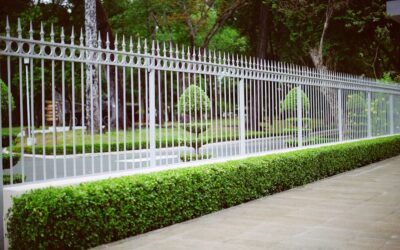
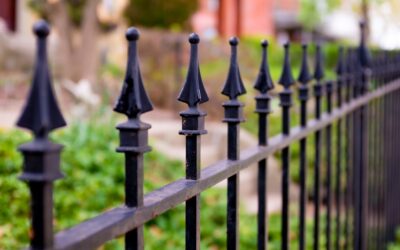
Black aluminum fence panels have become the go-to choice for homeowners who want the classic look of wrought iron without the rust, weight, and upkeep. Lightweight, rust-proof, and finished with a durable powder coat, aluminum panels deliver clean vertical lines, open views, and decades of low-maintenance service. They’re equally at home defining a front yard, enclosing a backyard, or meeting the strict safety codes around a swimming pool. This guide covers aluminum fence grades, styles, pool requirements, cost per foot, and the installation process so you can choose and plan the right fence.
Part of our Decks & Outdoor guide — explore the full guide →
- Why Choose Black Aluminum Fencing
- Understanding Aluminum Fence Grades
- Popular Styles and Configurations
- Pool Code Requirements
- Handling Sloped Ground
- Cost of Black Aluminum Fence Panels
- Installation Process Overview
- Maintenance and Longevity
- Aluminum vs. Other Fence Materials
- Gates and Access Options
- Buying Tips and Common Mistakes
Why Choose Black Aluminum Fencing
Aluminum fencing hits a sweet spot of looks, durability, and value. Unlike steel or iron, aluminum never rusts, so it holds its crisp black finish for decades even in wet or coastal climates. It’s light enough to install as a DIY project yet strong enough to define boundaries and secure a yard. The powder-coated finish resists chipping and fading, and it requires essentially no maintenance beyond an occasional rinse. Visually, black aluminum offers the timeless elegance of ornamental iron at a fraction of the weight and upkeep.
Understanding Aluminum Fence Grades
Aluminum fence panels come in grades that reflect strength and intended use:
- Residential grade: The most common for homes, with lighter posts and rails, suited to defining property and enclosing pets and children.
- Commercial grade: Heavier rails and posts for higher-traffic or security-conscious applications.
- Industrial grade: The strongest, with thick-walled posts and rails for maximum durability and security.
For most yards, residential grade is plenty. If you want extra sturdiness, a step up to commercial grade adds strength without a dramatic price jump. Wall thickness of the pickets and rails is the key strength indicator to compare.
Popular Styles and Configurations
Black aluminum panels come in many styles to match your home and needs:
- Flat-top: Clean, level picket tops for a modern, understated look.
- Spear-top / finial: Pointed picket tops for a traditional ornamental-iron appearance that also deters climbing.
- Arched and scalloped: Curved rail lines for a decorative front-yard statement.
- Puppy-picket (double-picket bottom): Extra pickets near the ground to contain small pets.
- Privacy and rackable panels: Rackable panels adjust to follow sloped ground without gaps.
Pool Code Requirements
One of the most common uses for black aluminum fencing is enclosing a pool, and this comes with strict safety rules. Most jurisdictions require pool barriers to:
- Be at least 48 inches high (many areas require 60 inches).
- Have vertical picket spacing of less than 4 inches so a child can’t slip through.
- Keep any horizontal rails at least 45 inches apart, or place them on the pool side, to prevent climbing.
- Use self-closing, self-latching gates that swing away from the pool with the latch mounted high.
Look for panels specifically labeled “pool code” or “BOCA” compliant, and always confirm your local requirements before buying.
Handling Sloped Ground
Aluminum’s big advantage on uneven terrain is racking. Rackable panels have brackets and pre-punched rail holes that let the panel pivot, so it can follow a slope while the pickets stay vertical, without leaving triangular gaps at the bottom. Standard residential panels typically rack 6 to 15 inches over an 8-foot section, enough for gentle grades. For steeper slopes, you can also step the panels down in stair-step fashion. This flexibility makes aluminum far easier to install on hilly lots than rigid welded steel.
Cost of Black Aluminum Fence Panels
Aluminum sits in the mid-range of fencing costs, more than chain-link but far less than real wrought iron:
- Residential panels and posts: $25 to $45 per linear foot in materials.
- Commercial grade: $40 to $60 per linear foot.
- Professional installation: adds roughly $20 to $40 per linear foot.
- Gates: $150 to $500 each depending on width and grade.
A typical 150-foot residential aluminum fence might run $4,000 to $8,000 installed. DIY installation can cut the labor cost substantially since panels are light and pre-assembled.
Installation Process Overview
Installing aluminum panels is a manageable DIY project for handy homeowners:
- Step 1 — Plan and mark. Lay out the fence line, call 811 to locate underground utilities, and mark post locations, typically spaced for 6- or 8-foot panels.
- Step 2 — Dig post holes. Dig holes about 30 inches deep and 8 to 10 inches wide, below the frost line in cold climates.
- Step 3 — Set posts in concrete. Plumb each post and set it in concrete, checking alignment with a string line.
- Step 4 — Attach panels. Once the concrete cures, bracket the pre-assembled panels between posts, racking as needed for slope.
- Step 5 — Hang gates. Install self-closing hinges and latches, especially critical for pool gates.
- Step 6 — Cap and inspect. Add post caps and, for pool fencing, schedule the required inspection.
Maintenance and Longevity
Maintenance is where aluminum truly shines. Because it can’t rust and the color is baked into the powder coat, all a black aluminum fence typically needs is an occasional rinse with a hose or a wipe with mild soapy water to remove dust and pollen. There’s no sanding, priming, or repainting like iron requires, and no staining like wood. Check that fasteners and gate latches stay tight, and touch up any deep scratch with matching paint to keep it looking new. A quality aluminum fence commonly lasts 30 years or more and often carries a lifetime finish warranty.
Aluminum vs. Other Fence Materials
Compared to wrought iron, aluminum won’t rust and costs less to buy and maintain, though it’s not quite as heavy-duty for high security. Versus wood, it never rots or needs staining and offers open views, but it doesn’t provide privacy. Against vinyl, aluminum gives a more upscale ornamental look and better strength, while vinyl offers privacy options. For homeowners who want elegance, durability, open sightlines, and near-zero upkeep, black aluminum is often the best overall balance.
Gates and Access Options
No fence is complete without well-planned access, and aluminum gates are a big part of the system. You can choose single walk gates (typically 3 to 4 feet wide) for pedestrian access, wider double-drive gates for vehicles, and matching-style gates that blend seamlessly into the fence line. For pool enclosures, gates must be self-closing and self-latching with the latch mounted high, out of a child’s reach, and swing outward away from the pool. Consider upgrading hinges to adjustable, tension-spring, or hydraulic self-closing models for reliability and safety. Add-ons like keyed locks, magnetic latches, keypad or smart locks, and gate stops improve security and convenience. Because aluminum gates are lightweight, they’re easy to hang, but they need well-set, properly spaced gate posts, often set in extra concrete or reinforced, so the gate doesn’t sag over time. Plan gate locations during layout so you have convenient access to the yard, trash area, and any pool while keeping the fence line balanced.
Buying Tips and Common Mistakes
A few smart choices at purchase save headaches later. Compare the wall thickness of posts and rails, not just the price, since thicker-gauge aluminum resists bending and lasts longer, and confirm the finish is a baked-on powder coat rather than a cheaper spray. Order rackable panels if any part of your run crosses a slope, and buy a few extra pickets and a matching touch-up paint pen for future repairs. Measure your fence line carefully and account for corners, gates, and terrain before ordering to avoid short or excess material. The most common mistakes homeowners make are setting posts too shallow or without enough concrete (causing lean), spacing posts incorrectly for the panel length, forgetting to call 811 before digging, and choosing non-pool-code panels for a pool enclosure that then fails inspection. Take time on layout and post-setting, the two things hardest to fix later, and the panels themselves go up quickly and cleanly.
Black aluminum fence panels combine the timeless elegance of ornamental iron with the practical advantages of a rust-proof, lightweight, low-maintenance material. By choosing the right grade for your needs, selecting a style that complements your home, meeting pool codes where required, and taking advantage of rackable panels on sloped ground, you can install a fence that looks refined and performs for decades. Whether you hire a pro or tackle it yourself, black aluminum fencing is a smart, lasting investment in your property’s security and curb appeal.