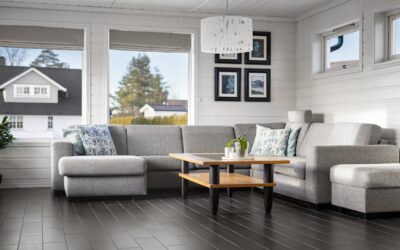
Some rugs blend in and some rugs run the room. A black and white Moroccan rug firmly belongs in the second camp. The high-contrast palette and the hand-drawn geometry, all those irregular diamonds, zigzags, and trellis lines, turn the floor into the most interesting surface in the space. I have watched a single one of these rugs transform a flat, beige living room into something with real personality in the time it takes to unroll it. Because the pattern is graphic but the colors are neutral, it slips into modern, boho, farmhouse, and Scandinavian rooms alike, which is exactly why designers keep specifying it.
This guide breaks down the classic Moroccan patterns, the difference between authentic wool and synthetic reproductions, how to size and style the rug, and what it takes to keep those crisp whites looking clean.
Where the Style Comes From
Traditional Moroccan rugs were hand-knotted by Berber tribes in the Atlas Mountains, most famously the Beni Ourain people, who wove thick undyed wool rugs with sparse, irregular black or brown line work on a cream ground. Those original pieces were made for warmth and used symbolic markings, which is why authentic patterns look hand-drawn rather than perfectly repeated. The modern black and white Moroccan rug takes that heritage and dials up the contrast, swapping soft ivory-and-charcoal for crisp black-and-white and often tightening the geometry for a more graphic, contemporary look.
The Classic Patterns
Knowing the common motifs helps you match a rug to your room. The pattern sets the mood as much as the color does.
Beni Ourain Diamonds
The signature look: thin black diamond outlines scattered across a white field. Open, airy, and calm despite the contrast, this pattern reads as almost minimalist and pairs beautifully with modern and Scandinavian interiors.
Trellis and Lattice
A denser, repeating grid of interlocking shapes. This fills the floor with more visual energy and works well when the rug is meant to be a bold statement in an otherwise plain room.
Zigzag and Chevron
Bold horizontal or vertical zigzag bands. Very graphic and directional, great for lengthening a narrow room or adding movement to an entry.
Tribal and Freeform
Irregular lines, crosses, and asymmetric marks that echo the hand-drawn originals. These feel the most authentic and lend a lived-in, collected look to boho and eclectic spaces.
Wool Versus Synthetic
The single biggest decision is fiber, and it drives both the price and how the rug lives in your home.
- Authentic wool: Hand-knotted or hand-woven wool is soft, plush, naturally stain and flame resistant, and it lasts for decades, developing character as it ages. Expect thick pile and real weight. The downside is price and the need for gentler cleaning.
- Wool-blend and flatweave: A middle path. Flatweave wool or wool-cotton blends give you natural fiber and durability with a thinner, more affordable, reversible construction.
- Synthetic (polypropylene or polyester): Machine-made reproductions nail the look at a fraction of the cost, resist stains, and often survive a garden hose or even a washing machine in smaller sizes. They lack the depth and longevity of wool but are ideal for high-traffic rooms and homes with kids and pets.
My honest advice: if the rug goes in a formal living room or bedroom and you want an heirloom, buy wool. If it goes in a playroom, kitchen-adjacent dining area, or a rental, a good synthetic Moroccan rug looks nearly identical from standing height and saves you hundreds of dollars.
Spotting Authenticity
If you specifically want a genuine handmade piece, a few tells separate the real thing from a print. Flip the rug over: on an authentic hand-knotted rug the pattern shows clearly on the back and you can see individual knots, while a printed synthetic has a blank or faintly ghosted backing. Look for slight irregularities in the diamonds and lines, since perfect symmetry usually means machine-made. Genuine wool has a subtle lanolin smell and a dense, springy hand. None of this makes synthetic bad, it just tells you what you are actually paying for.
Sizing for Your Room
The graphic pattern only works when the rug is big enough to sit under your furniture rather than float in front of it.
- Living room: Go 8 by 10 or 9 by 12 so the front legs of the sofa and chairs rest on the rug, framing the seating group.
- Bedroom: An 8 by 10 under the bed lets the pattern show on three sides, or use runners on each side for a lighter footprint.
- Dining room: Choose a size that extends at least 24 inches past the table edge on all sides so chairs stay on the rug when pulled out.
- Entry and hallway: A 2-by-3 accent or a long runner brings the bold pattern to transition spaces without overwhelming them.
Because the design is busy, an undersized rug looks like a stranded sample. When you are between sizes, go larger and let the geometry breathe.
Styling a Black and White Moroccan Rug
The beauty of black and white is that it is technically neutral, so it fights with almost nothing. Let the rug carry the pattern load and keep upholstery calmer, then use the black in the rug as permission to add black accents elsewhere, a lamp base, picture frames, or hardware, so the room feels pulled together.
For a modern look, pair the rug with clean-lined furniture, white walls, and a single warm wood tone. For boho, layer in rattan, plants, and textured throws, and do not be afraid to set the Moroccan rug over a larger jute rug for depth. Warm metallics like brass and natural leather also play beautifully against the graphic black-and-white, softening the contrast so the room feels inviting rather than stark.
One more styling tip that separates a thrown-together room from a designed one: repeat the rug’s contrast in at least two other spots. Black picture frames on a gallery wall, a charcoal throw pillow, and a matte-black lamp all pick up the darkest tone in the rug and tie the space together. Keep the largest surfaces, walls and sofa, in soft neutrals so the eye lands on the floor first. In an open-plan home, a single bold Moroccan rug can even define a zone, marking off the living area from the dining space without a wall.
Cleaning and Care
The white ground is the maintenance challenge, so build a simple routine. Vacuum regularly without a rotating beater bar on wool, which can pull and fuzz the fibers. Blot spills immediately with cold water and a little mild soap, working from the outside of the stain inward so you do not spread it, and never scrub aggressively on a light field. Rotate the rug 180 degrees a couple times a year so foot traffic and sunlight wear it evenly, since uneven fading shows badly on white.
For wool, have it professionally cleaned every year or two rather than saturating it at home. Many small synthetic Moroccan rugs are machine washable on cold and gentle, which is a real advantage in a busy household. Always use a non-slip rug pad underneath: it prevents slipping on hard floors, cushions the pile, and reduces the crushing that dulls the pattern over time.
The Bottom Line
A black and white Moroccan rug is one of the highest-impact, most versatile pieces you can put on a floor. The graphic diamonds and trellis lines add instant character, while the neutral palette lets the rug slide into nearly any style. Decide between heirloom wool and practical synthetic based on where it will live, size it big enough to anchor your furniture, keep the white field clean with regular blotting and a rug pad, and this bold underfoot statement will hold its own for years.