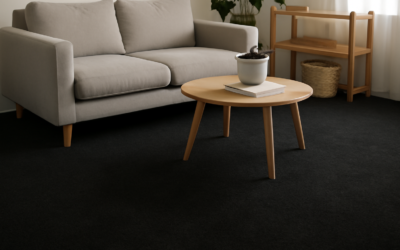
A black round rug is one of the quietest power moves in interior design, because the shape and the color do two different jobs at once. The circle softens hard corners and echoes round furniture, while black round rug tones deliver high-contrast grounding without introducing a competing pattern. Used well, it turns a floating seating group or a lonely dining table into a deliberate, composed vignette.
- Why the Circle Changes the Room
- Black as a High-Contrast Neutral
- Common Round Diameters and Where They Fit
- Anchoring Round Furniture and Reading Nooks
- Managing Lint, Dust, and the Black-Rug Reality
- Fiber and Pile Choices That Suit Black
- Styling With Light Versus Dark Floors
- Final Thoughts Before You Buy
Why the Circle Changes the Room
Most rooms are built from right angles: square rooms, rectangular sofas, boxy consoles. Dropping a circle into that grid interrupts the monotony and pulls the eye toward a center point. A round rug reads as a spotlight on the floor, which is why designers reach for it under pedestal tables, in breakfast nooks, and beneath a single accent chair.
The shape also solves a traffic problem. A circle has no corners to catch a toe or flip up under a chair leg, so it flows better in tight entryways and hallways where a rectangle would look boxed in. The curved edge guides foot traffic around it rather than across a hard line.
There is a proportional benefit too. Rectangular rooms already have four dominant lines, and a rectangular rug simply adds a fifth. A round rug introduces a shape the room does not already own, which is why a single circle can make an otherwise ordinary layout feel considered. Designers often use one round element per room, and the rug is the easiest way to add it without buying new furniture.
Black as a High-Contrast Neutral
Black behaves like a neutral, but it is a loud one. Against pale oak, white tile, or light-gray luxury vinyl, a black circle creates instant definition and makes furniture above it look sharper and more intentional. On dark floors, the same rug reads as a tonal, moody layer rather than a hard border, so the effect shifts from graphic to enveloping.
Because black recedes visually, it can make a small floor feel less cluttered than a busy patterned rug would. It also hides high-traffic soiling, spilled coffee, and pet paw prints far better than ivory or beige, which is a practical win in an entry or under a dining table.
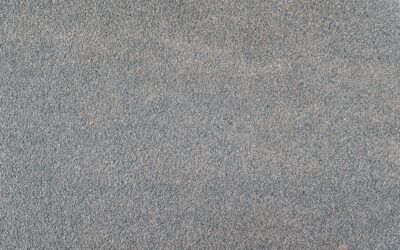
Not all blacks are equal, either. A true jet black reads graphic and modern, while a charcoal or heathered black softens the contrast and forgives lint better. If you worry that solid black will feel heavy, look for a black that carries a faint gray, brown, or blue undertone; it will still ground the room but relax the hard edge that pure black creates against pale surroundings.
Common Round Diameters and Where They Fit
Round rugs are sold by diameter, and picking the right one is mostly about the furniture it serves. Use these as starting points:
- 4 ft (48 in): Entry landing, under a small accent chair, or a bathroom vanity spot.
- 5 ft (60 in): A 36 in round bistro or breakfast table seating two to four; a reading nook chair plus ottoman.
- 6 ft (72 in): A 42-48 in round dining table seating four; a compact living-room seating group.
- 8 ft (96 in): A 54-60 in round dining table seating six, with room to slide chairs back.
The dining rule is simple: measure your table diameter and add at least 48 in to it, so chairs stay on the rug when guests push back. A 48 in table therefore wants a rug near 8 ft, not 6.
Anchoring Round Furniture and Reading Nooks
The most satisfying use of a round black rug is matching curve to curve. Center one under a pedestal dining table and the circle mirrors the tabletop, doubling the visual gesture. In a reading nook, float a 5 ft round beneath a swivel chair and floor lamp to carve out a distinct zone from the surrounding room without building a wall.
In entryways, a 4 or 5 ft round breaks up a long rectangular foyer and gives the front door a target to land on. Keep roughly equal floor showing around the whole circle, usually 8 to 18 in of exposed flooring, so the rug looks placed rather than crammed.
Managing Lint, Dust, and the Black-Rug Reality
Every dark rug shows lint, dust, pet hair, and dropped crumbs more than a mottled light rug does. That contrast is the trade-off for the bold look, but it is manageable. Choose a low-pile flatweave or a tight loop over a fluffy shag if visible fuzz will bother you, because long fibers trap and display lint the most.
- Vacuum two to three times a week in high-traffic spots using a suction-only setting or a hard-floor mode to avoid pulling fibers.
- Keep a rubber pet-hair brush or a lint roller nearby for quick touch-ups before guests arrive.
- Shake or take smaller rounds outside monthly to release embedded grit that dulls the surface.
- Spot-clean spills immediately with cold water and a drop of mild dish soap, blotting rather than rubbing.
Darker synthetic fibers such as polypropylene resist fading from sunlight better than natural wool dyed black, which can shift toward a brownish cast over years of direct light.
Fiber and Pile Choices That Suit Black
Wool gives a rich, deep black with a subtle sheen and excellent resilience, but expect to pay $200 to $600 for a quality 6 ft round. Polypropylene and polyester deliver a similar depth of color for $60 to $180, resist stains, and shrug off moisture, which makes them the smart pick for entries and dining rooms. Cotton flatweaves are the most affordable and washable but wear faster under heavy traffic.
For pile, a low profile of a quarter inch or less keeps chairs sliding easily and lint less obvious, while a plush half-inch to one-inch pile feels luxurious underfoot in a bedroom or nook where chairs are not dragged across it.
Weave construction matters as much as fiber. A hand-knotted or machine-woven flatweave lies almost flush to the floor and resists the fuzzing that plagues cheaper tufted rugs, so it stays crisp under a dining table. A hand-tufted plush, by contrast, delivers softness but sheds more in its first months and shows every vacuum track, which reads as texture on a black surface. Match the construction to how the rug will actually be used, not just to how it looks in the showroom.
Styling With Light Versus Dark Floors
On light floors, let the black rug be the anchor and keep the surrounding furniture lighter or mid-toned so the circle stays the hero. A jute or natural-fiber console, a caramel leather chair, or brass accents all pop beautifully against the dark ground.
On dark floors, prevent the rug from disappearing by adding a border, a subtle geometric weave, or a lighter rug pad edge, and layer in texture through cushions and throws. A black round rug over espresso hardwood works best when you introduce one clear contrast point above it, such as a cream chair or a pale wood table, so the eye has somewhere to rest.
Final Thoughts Before You Buy
Buy the shape for the furniture and the color for the mood. Measure the table or chair it will serve, add the clearance, and only then commit to a diameter. If your household sheds a lot of light-colored lint or pet hair, lean toward a low-pile synthetic in a slightly heathered black rather than a solid matte finish. Done right, a black round rug is a small purchase that quietly organizes an entire room around it.