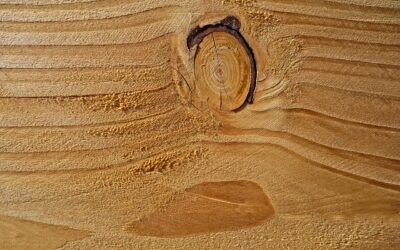
Pale Scandinavian oak floors have been the dominant interior trend for nearly a decade, and laminate manufacturers have spent that time perfecting the look at a fraction of the cost of solid wood. Blonde laminate flooring covers a range of pale oak, bleached maple, and white-washed ash visuals priced between $1.49 and $4.79 per square foot. The challenge is that bad blonde laminate reads as orange-toned office hallway from 1992, while good blonde laminate is nearly indistinguishable from $14-per-square-foot European oak. Here’s how to tell the difference.
- What Makes a Blonde Laminate Read As Modern
- Top Blonde Laminate Lines Worth Considering
- AC Ratings: What Actually Matters
- Plank Dimensions and How They Read
- Waterproof Claims Decoded
- Subfloor Prep and Install
- Pros of Blonde Laminate
- Cons to Consider
- How to Pick the Right Blonde for Your Home
- Maintenance Routine That Keeps Pale Floors Looking New
What Makes a Blonde Laminate Read As Modern
Modern pale floors share three visual cues: cool gray-beige undertone rather than orange-yellow, matte or low-sheen surface finish (10 to 15 percent gloss maximum), and embossed-in-register grain texture that aligns with the printed wood pattern. Older laminate often missed all three — warm yellow tone, glossy surface, and randomly embossed texture that didn’t line up with the pattern.
Brands have figured this out. Pergo Outlast Plus, Mohawk RevWood Plus, and Shaw Repel laminate all carry blonde SKUs with the correct cool undertone and matte finish that read accurately as 2026 design.
Top Blonde Laminate Lines Worth Considering
- Pergo Outlast Plus in Brentwood Pine or Vintage Pewter Oak — 12mm, AC4, waterproof, $2.99 to $3.49 per square foot
- Mohawk RevWood Plus in Crystal Springs or Ridgewater Hickory — 9 to 12mm, waterproof, $2.79 to $3.99 per square foot
- Shaw Repel Cathedral Oak — 12mm, AC4, $2.59 to $3.29 per square foot
- Quick-Step Studio in Spalted Maple — 12mm, AC4, $2.29 to $2.99 per square foot
- Pergo Defense Plus Wheat Oak — 12mm, AC5, $3.29 to $3.79 per square foot
AC Ratings: What Actually Matters
AC ratings measure abrasion resistance on a 1 to 5 scale. AC3 is rated for normal residential traffic — fine for bedrooms and home offices but undersized for kitchens with kids and pets. AC4 handles all residential applications including kitchens and entryways and steps into light commercial spaces. AC5 is overkill for homes but the cheapest insurance against any wear concerns.
For blonde laminate specifically, AC4 minimum matters more than it would for darker tones. Pale floors show scratches, scuffs, and grit-grinding more obviously than walnut or hickory finishes. The wear layer doing real work is the only way to keep a blonde floor looking new past year five.
Plank Dimensions and How They Read
Blonde laminate looks best in wider planks — 7 inches and up — with longer lengths reaching 60 inches or more. Narrow 5-inch planks in blonde tones read as 1990s strip flooring even when the visual is otherwise modern. Pergo Outlast Plus runs 7.48 by 47.24 inches. Mohawk RevWood Plus comes in 7.48 by 54.45 inches. Shaw Repel uses 5.91 by 47.24 inches, which is the floor of acceptable width for current design.
For larger rooms over 400 square feet, 7-inch wide by 60-inch long planks make the room feel proportionally larger. Smaller rooms can still take the wide plank look — the modern eye reads it as intentional rather than oversized.
Waterproof Claims Decoded
Every major blonde laminate now markets some flavor of waterproof or water-resistant performance. The realistic claims are 24-hour to 72-hour topical water resistance — that means you can leave standing water on the floor that long without core damage. None of these floors handle continuous moisture, hydraulic leaks, or flood exposure.
For kitchens and bathrooms, waterproof laminate works. For laundry rooms with potential washer overflow, sheet vinyl or tile remains the smarter call. The waterproof rating depends on tight click-lock joinery and properly sealed wall expansion gaps — sloppy install voids the rating.
Subfloor Prep and Install
Blonde laminate magnifies subfloor irregularities. A 3/16-inch dip over 10 feet that disappears under walnut shows as a visible shadow under pale oak. Flatten the subfloor with self-leveler if needed before install. Concrete must pass ASTM F2170 RH testing under 80 percent and ASTM F1869 calcium chloride under 5 lbs per 1,000 sq ft per 24 hours.
Acclimate boxes for 48 hours minimum in the install room between 60 and 80 degrees Fahrenheit. Leave 3/8-inch expansion gaps at all walls. Use the manufacturer-specified underlayment — premium pads with vapor barrier and acoustic dampening add $0.40 to $0.80 per square foot but improve real-life floor performance significantly.
Pros of Blonde Laminate
- Achieves the Scandinavian wood-look aesthetic at one-quarter the cost of European oak
- AC4 and AC5 wear ratings stand up to kitchen and entryway traffic
- Wider plank dimensions match current design trends
- Waterproof claims hold up for normal spills and pet accidents
- FloorScore certified for low-VOC indoor air quality on current SKUs
Cons to Consider
- Shows scratches and grit damage more obviously than darker laminates
- Sunlight can fade pale tones over years in south-facing rooms without UV-filtering window film
- Pet urine left untouched can cause permanent staining at the joint lines
- Cannot be sanded and refinished — replacement is the only repair
- Cheaper blonde SKUs still read as orange or yellow under warm-temperature LED lighting
How to Pick the Right Blonde for Your Home
Pull three samples in the same general tone and live with them on the floor of the actual room for a full week. Natural light at 8 AM, 2 PM, and 7 PM hits laminate differently, and your lighting choices (2700K warm versus 3500K neutral LED) shift the visual significantly. Pick the SKU that holds its cool undertone across all lighting conditions. That’s the floor that will still look modern in eight years.
Maintenance Routine That Keeps Pale Floors Looking New
Daily upkeep matters more on blonde laminate than on darker SKUs because every speck of pet hair and grit shows immediately. Sweep or vacuum (soft brush attachment, no beater bar) every two to three days in main living areas. Damp mop weekly with Bona Pro Series Hard Surface Cleaner or Quick-Step Hard Surface Cleaner — both are pH neutral and won’t streak the matte finish. Skip Pine-Sol, ammonia, vinegar, and steam mops; they all damage the wear layer or compromise click-lock joinery.
Entry mats at exterior doors stop 80 percent of grit at the threshold. A 4-foot runner inside each exterior door pays back in floor lifespan many times over. Felt pads on every chair, table, and sofa leg are mandatory — replace them every 6 to 12 months as they pick up grit and lose effectiveness.
Prefer to explore on your own?
See how new flooring looks in your actual room in seconds — free, no signup.
Try the free Floor Studio →