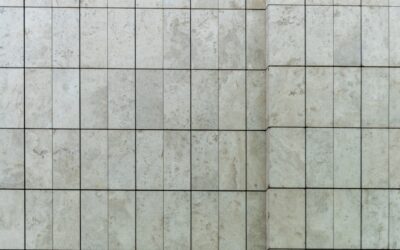
Decorative porcelain has surged in popularity because it lets homeowners get the eye-catching look of encaustic cement or hand-painted ceramic without the fragility and maintenance those materials demand. Blume Deco porcelain tile falls into this decorative-porcelain category, pairing patterned, design-forward faces with the toughness of a fired porcelain body. If you’ve spotted it in a showroom or online and are weighing it for a floor, backsplash, or accent wall, this guide explains how to evaluate a decorative porcelain line like this one, where it performs best, and how to install and care for it, without assuming specifications the manufacturer hasn’t published.
Part of our Tile & Grout guide — explore the full guide →
What Decorative Porcelain Tile Is
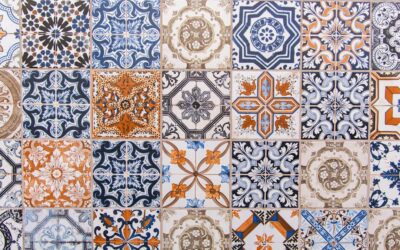
Porcelain is a dense, low-absorption ceramic fired at high temperatures, typically producing water absorption under 0.5%. That density is what makes porcelain hard, frost-resistant, and durable underfoot. A decorative line adds a printed or glazed pattern to that porcelain body, often mimicking Moroccan zellige, Victorian encaustic cement, or geometric mid-century motifs. The result is a tile that looks like a specialty artisan product but wears like a workhorse floor tile. When considering any decorative porcelain, the pattern is only half the story; the underlying porcelain quality determines how long it lasts.
The pattern is almost always applied with high-definition inkjet printing, then protected under a fired glaze. That’s a meaningful upgrade over genuine encaustic cement tile, which carries its pattern only in the top few millimeters of soft, unfired pigment and must be sealed repeatedly. Real cement tile also arrives with lippage and color lots that vary batch to batch, whereas porcelain is dimensionally consistent and rated for abrasion. You give up a little of the hand-made irregularity, but you gain a surface that shrugs off spilled wine and foot traffic.
What to Look For Before You Buy
Rather than rely on marketing language, check the tile’s published technical data. The most useful numbers to confirm with the retailer or manufacturer are:
- PEI rating: the abrasion class. PEI 3 suits residential floors; PEI 4 or 5 handles heavier traffic. Wall-only tiles may carry no floor rating.
- Water absorption: confirm it’s rated as porcelain (under 0.5%) if you want frost resistance or wet-area use.
- Slip resistance (DCOF): a coefficient of 0.42 or higher is generally recommended for floors that may get wet.
- Rectified or pressed edges: rectified tiles allow tighter grout joints and a cleaner pattern flow.
Ask whether the decoration is a full-body inkjet print under a protective glaze or a surface glaze only, since that affects how the pattern holds up to wear.
Typical Sizes and What They Cost
Decorative porcelain most often ships in 8-by-8 inch squares, the size that best reads as classic pattern tile, along with 12-by-12, 12-by-24, and occasional hexagon and larger 24-by-24 formats. Thickness usually runs 3/8 inch (about 9 to 10 mm) for floor-rated tile. On price, patterned porcelain typically lands between $4 and $12 per square foot for the tile itself, with premium designer collections reaching $15 or more, still a fraction of genuine handmade encaustic cement, which can run $15 to $30 per square foot before its added sealing labor. Because a decorative floor usually covers a small footprint, a powder room or an inlaid rug shape, the total material cost stays modest even at the higher per-foot numbers.
Where Decorative Porcelain Works Best
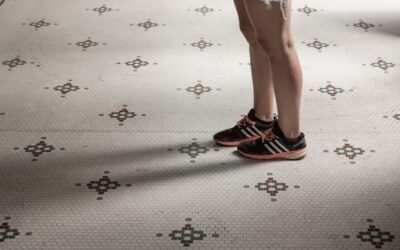
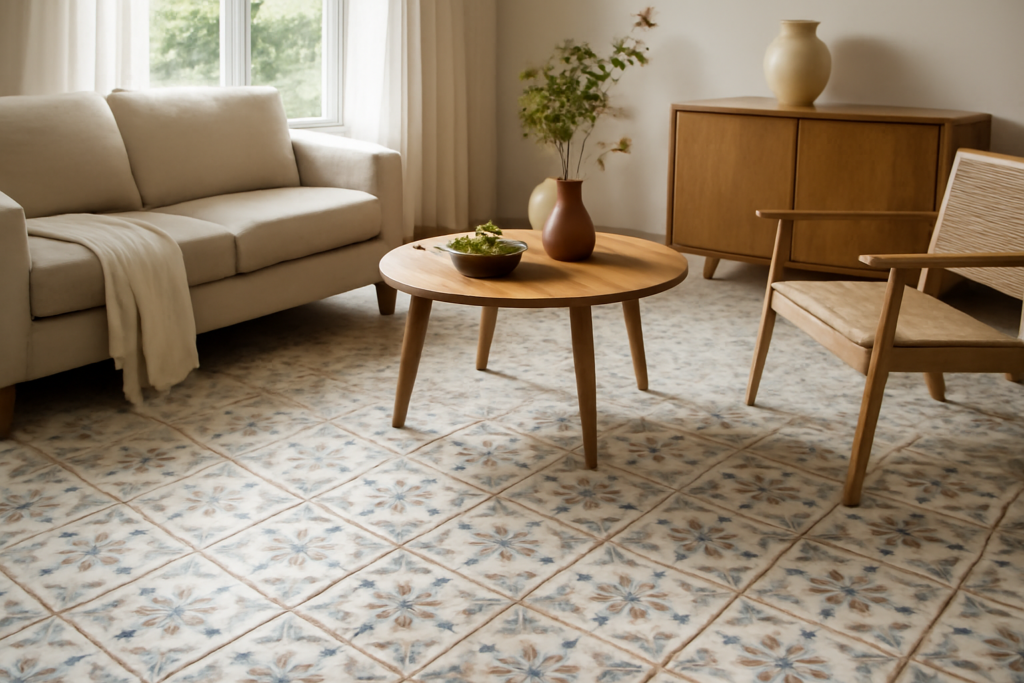
Patterned porcelain shines in spaces where you want a focal point. Common uses include entryway and mudroom floors, powder room floors, kitchen backsplashes, laundry rooms, and accent bands or “rug” inlays set into a field of plain tile. Because porcelain resists moisture and frost, many decorative lines can also go on covered patios, though you should verify the specific tile is rated for exterior use and freeze-thaw before installing it outdoors. In a busy area, patterned porcelain hides dirt and scuffs better than a solid color, which is a practical bonus.
Design Tips for Pattern Tile
A little patterned tile goes a long way. Designers often use it as a defined zone, an inlaid rug shape under a kitchen island, a runner down a hallway, or the floor of a small powder room where the whole space becomes a statement. Pairing a busy decorative tile with plain walls and simple cabinetry keeps the room from feeling chaotic. Before committing, buy a few sample pieces and lay them out; some patterns are directional and need careful alignment, while others randomize across several face designs to look hand-varied. Confirm how many distinct face patterns the line includes so you know how repetitive the finished floor will look.
Installation Considerations
Setting decorative porcelain is much like setting any porcelain tile, with a few pattern-specific cautions. Dry-lay a section first to plan how the design flows and to sort any directional pieces. Use a polymer-modified thinset appropriate to the tile size, back-butter larger formats, and keep grout joints consistent, tight joints suit rectified patterned tile and preserve the continuous look. Choose grout color deliberately: a matching grout lets the pattern read as one surface, while a contrasting grout emphasizes each tile’s shape. Cut with a wet saw and a quality diamond blade to avoid chipping the decorated face, and keep a few spare tiles from the same lot for future repairs.
Because porcelain is dense and hard, cutting it dulls blades faster than ceramic, so use a continuous-rim diamond blade rated for porcelain and feed the tile slowly to keep the glazed edge clean. For any L-cuts or outlet cutouts on a patterned backsplash, score the face first and finish from the back to protect the print. Plan your layout so the pattern lands symmetrically in the room, centered under a vanity or balanced wall to wall, rather than starting from one corner and trailing off into an awkward partial motif at the far side.
Cleaning and Care
One of porcelain’s advantages over real cement or terracotta tile is that it generally needs no sealing, the dense body doesn’t absorb water or stains the way porous materials do. Confirm this for your specific tile, since some products with a matte or textured glaze may benefit from a grout sealer even if the tile itself doesn’t need one. Day to day, sweep or vacuum grit, then damp-mop with a pH-neutral tile cleaner. Avoid abrasive scouring pads on glazed decoration and skip harsh acids, which can dull certain finishes over time. Sealing the grout lines keeps them from discoloring, which is usually the first thing to show wear on a patterned floor.
Is It Right for Your Project?
Blume Deco porcelain tile, like other decorative porcelain lines, is a strong choice when you want the character of artisan pattern tile with the durability and low maintenance of porcelain. The key is to buy based on verified specs, PEI, absorption, slip resistance, and intended use, rather than looks alone, and to confirm any exterior or wet-area rating directly with the seller. Use pattern strategically as a focal point, install it with the same care you’d give any quality porcelain, and you’ll get a distinctive, long-lasting surface that stays a conversation piece rather than a maintenance headache.
Prefer to explore on your own?
See how new flooring looks in your actual room in seconds — free, no signup.
Try the free Floor Studio →