The bohemian look gets diluted on social media into a beige room with a single macrame hanging, but a proper boho accent wall layers texture, pattern, and warm earth tone in a way that reads collected rather than decorated. Done right, the wall becomes the visual heart of the room. Done wrong, it looks like a Pinterest mood board nobody finished. The difference comes down to material choice, paint sheen, and resisting the temptation to add everything you bookmarked.
What Defines the Boho Aesthetic
Bohemian design borrows from Moroccan, Indian, Andean, and Scandinavian craft traditions. The unifying threads are natural fibers, handmade-feeling textures, warm spice tones, and a refusal to match. Where modern design picks one color and stays disciplined, boho mixes ochre with terracotta with sage and lets them coexist. The accent wall is where this mixing concentrates.
Three rules separate good boho from chaotic boho. First, every element must look like it could have been handmade by an actual person. Second, the color palette stays inside an earth-tone range rather than crossing into bright primaries. Third, negative space matters as much as the objects. A wall with three carefully placed items reads as a curated collection. The same wall with eleven items reads as clutter.
Paint Color Foundation
The base color of the wall sets everything else. The most-used boho colors all sit in the warm earth tone family. Skip cool grays and high-saturation primaries. Test a 12 by 12 swatch on the wall and look at it in morning, afternoon, and evening light before buying.
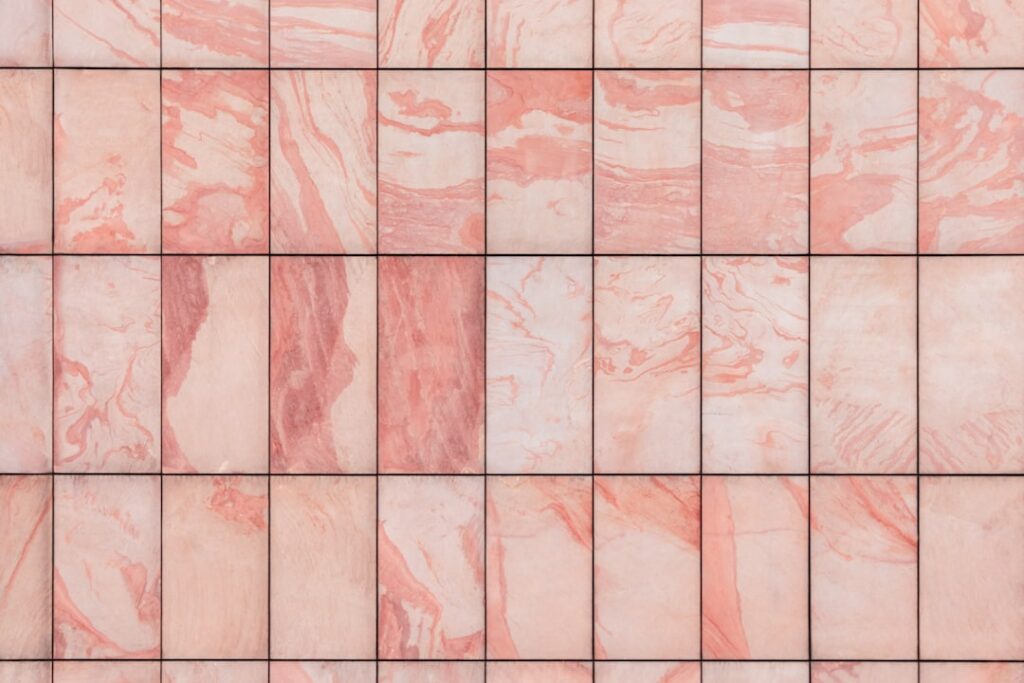
- Sherwin-Williams Cavern Clay (SW 7701): warm terracotta, LRV 21, the iconic boho color
- Behr Cardamom Spice (PPU3-19): dusty rose-clay, LRV 27, softer than Cavern Clay
- Benjamin Moore Adobe Dust (2175-40): peachy sand, LRV 56, brighter for small rooms
- Sherwin-Williams Sage (SW 2860): muted green, LRV 41, pairs with terracotta accents
- Behr Smoky White (PPU7-15): off-white with warm undertone, LRV 78, for layered-texture walls
Use eggshell or matte sheen. Boho walls absorb light rather than reflecting it. Satin and semi-gloss read too clean and contemporary. Behr Marquee in matte and Sherwin-Williams Emerald in eggshell are the top contractor choices because both scrub well without losing the soft finish.
Texture Methods Beyond Paint
Many boho accent walls combine paint with another applied texture. The most popular methods all add depth without overwhelming the room:
- Lime wash (Portola or Bauwerk Color): $4-$8 per sq ft, mineral-based wash with cloudy variation
- Roman clay (Portola or Marrakech Designs): $5-$10 per sq ft, smooth troweled finish
- Venetian plaster: $8-$15 per sq ft, high-shine option, more dramatic
- Microcement: $12-$20 per sq ft, ultra-modern boho crossover
- Wood slat treatment (vertical 1×2 cedar): $7-$12 per sq ft installed
For DIY budgets, lime wash is the most forgiving and the most authentic to the boho look. It applies with an oval natural bristle brush in a crisscross motion, and it dries to a chalky finish with subtle cloud variations. A bohemian living room with a Portola Roman Clay wall in Pueblo color reads as if it cost $20,000 even at a project budget of $400 in materials.
Layering Textiles and Objects
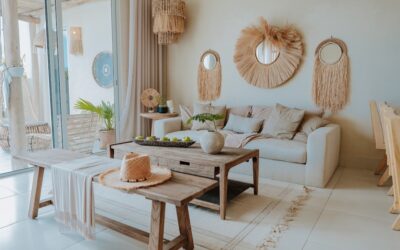
Once the wall has its color and texture, the layering begins. The goal is three to five focal pieces in different scales, materials, and visual weights. A common arrangement starts with a large woven wall hanging or vintage rug at the center, then balances with smaller pieces around it.
- Macrame wall hanging: 24-48 inches wide, $80-$280 from Etsy or West Elm
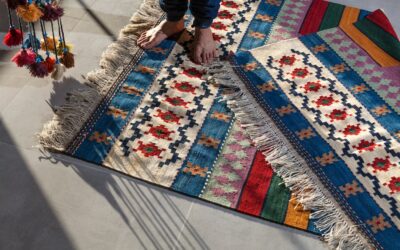
- Vintage Moroccan rug as wall art: 3-by-5 ft, $200-$800 from Revival Rugs or Etsy
- Woven basket trio (different sizes): $40-$120 each from Connected Goods
- Hanging dried botanicals (pampas, eucalyptus, palm): $25-$75 per bundle
- Carved wood beads or prayer beads draped on a wood peg: $30-$90
Hang the largest piece first at eye level (57-60 inches to center on standard 8-foot ceilings). Build outward from there, varying spacing and height. Step back to the opposite wall and review every five minutes. Boho works best when the composition feels balanced but slightly asymmetric, never grid-aligned.
Brand Spotlight on Loloi Rugs
Wall-hung textiles are the single biggest visual contributor to a boho accent wall, and Loloi Rugs has become the go-to brand for hand-knotted and flatweave pieces that read authentic without the eBay vintage hunt. Their Zharah and Beatty collections in colors like Spice, Adobe, and Tobacco price between $200 and $1,200 depending on size, and the hand-knotted texture photographs beautifully on the wall.
For smaller pieces, Vinta and Block Shop Textiles ($60-$180) offer block-printed cotton panels that pair well with a larger Loloi rug. Layer the textures by hanging the rug as the anchor and using the smaller panels as supporting elements.
Lighting the Wall Right
Boho lighting avoids harsh overhead spots. Wall sconces with woven shades, rattan pendants, or paper lanterns all suit the look. Aim warm white at 2700K through the bulbs to keep the earth tones rich. A 5000K daylight bulb makes terracotta walls look orange and dirty.
Anthropologie and West Elm both stock pendant fixtures in the $80-$300 range that work with boho aesthetic. For a budget DIY option, an IKEA Sinnerlig pendant ($60) with a 9-watt 2700K Edison-style bulb gives a perfect warm glow at low cost.
Common Mistakes That Kill the Look
Three errors recur in DIY boho accent walls. The first is over-shopping. A wall with eight macrame hangings, three vintage rugs, six baskets, and a dozen dried plants reads as cluttered, not curated. Edit ruthlessly down to three to five pieces and trust the negative space.
The second is mixing too many wood tones. Pick one warm wood (oak, walnut, or pine) and let it dominate. Adding bamboo, ebony, and cherry to the same wall creates visual chaos. The third mistake is using cool-toned accessories. Chrome, polished nickel, and bright white all clash with the warm earth foundation. Stick to matte black, antique brass, and aged wood for any hardware on the wall.
Budget Tiers for a Full Wall
A 10-foot accent wall in a typical living room can be done at several price points. The cheapest version with paint, one large textile, and three baskets runs about $250-$450. A mid-range build with lime wash, a Loloi rug, sconces, and a curated set of objects lands at $1,200-$2,500. A high-end version with Roman clay finish, hand-knotted rug, custom macrame, and pair of designer pendants runs $4,500-$8,000. All three look good if the layering principles are followed. The biggest difference is the depth and texture of the wall itself.