If you have ever flipped the spray bottle over and squinted at the label, you already know the bona hardwood floor cleaner ingredients list is short, water-based, and light on harsh chemicals. Understanding what each component does helps you decide whether it is right for your floors, your kids, and your pets, and it explains why so many flooring installers recommend it over vinegar or oil soaps.
Bona is a Swedish company that has specialized in wood floor care since 1919, and its consumer cleaner is formulated to clean without leaving residue or dulling the finish. Below is a clear breakdown of what is in the bottle, why it is there, and how to use it for the best results.
The Short Answer: What’s Inside
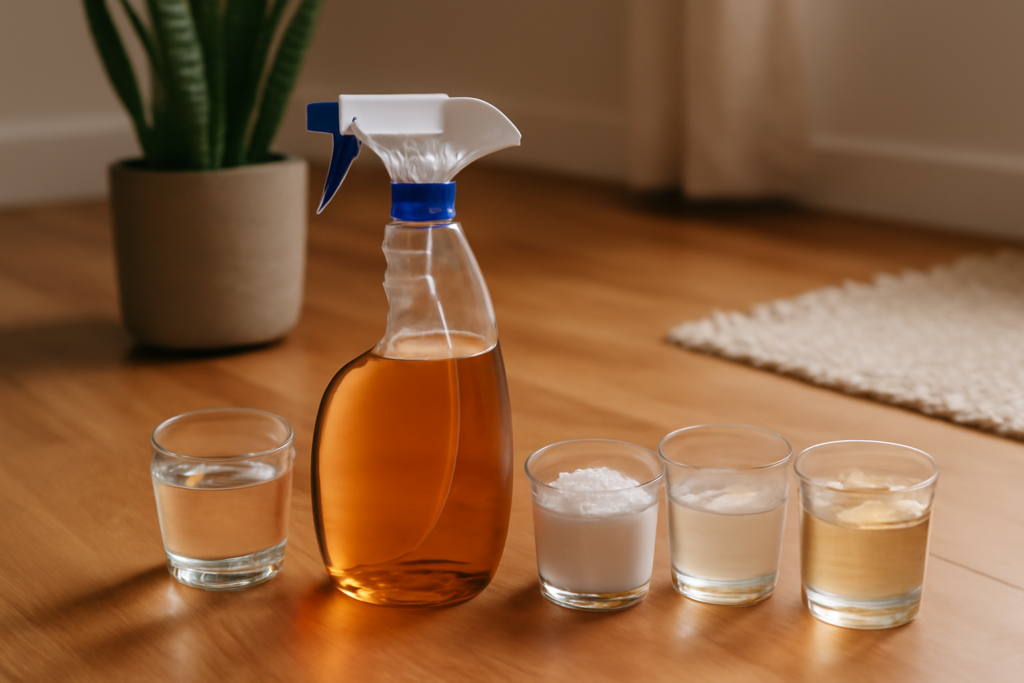
Bona Hardwood Floor Cleaner is a water-based, ready-to-use spray. The formula is intentionally simple, and the main components are:
- Water as the primary base and carrier, making up the large majority of the formula.
- Biodegradable surfactants (cleaning agents) that lift dirt, oils, and grime so they can be wiped away.
- A small amount of solvent to help dissolve greasy soils and speed drying.
- pH balancing agents to keep the solution close to neutral so it does not etch or cloud the finish.
- Preservatives in trace amounts to keep the product stable and prevent microbial growth in the bottle.
- Fragrance in scented versions, though an unscented option is available.
What is notably absent is just as important. There is no ammonia, no bleach, no wax, no oil soap, and no vinegar or other acids. That is by design.
Water and Surfactants: The Cleaning Base
Water makes up the bulk of Bona’s cleaner, which is why it is safe to spray lightly on sealed wood. The key is that it is a controlled, thin mist rather than a wet mop of standing water. Excess water is the enemy of wood floors because it can seep into seams and cause cupping or swelling. Bona’s spray-and-wipe design keeps moisture minimal and drying fast, so the water evaporates before it can penetrate a properly sealed floor.
The heavy lifting is done by surfactants, which are molecules that grab onto grease and grime on one end and onto water on the other. This lets them surround dirt particles and suspend them so your microfiber pad can carry them off the floor. Bona uses biodegradable surfactants at a low concentration, which is enough to clean everyday foot traffic, food spills, and pet messes without leaving a soapy film. Residue is the reason oil soaps and some homemade cleaners eventually make floors look hazy, so the low-residue formulation is a big selling point. Because the surfactant level is deliberately restrained, the cleaner rinses itself clean as it dries and does not demand a second pass with plain water.
Solvents, pH Balancers, and Preservatives
A small dose of glycol-ether-type solvent helps the cleaner tackle oily or sticky messes and encourages quick evaporation so you do not leave streaks. Meanwhile, pH balancers keep the solution neutral. This matters because acidic cleaners, including straight vinegar, can slowly etch a polyurethane finish and dull the sheen over many cleanings. A neutral pH means Bona cleans without chemically attacking the protective coating on your floor.
Because the product is water-based and sits on a shelf for months, trace preservatives prevent bacteria and mold from growing inside the bottle. These are present in very small amounts, far below the levels that would raise safety concerns during normal use. Fragrance is added to scented versions for a fresh finish, but if you are sensitive to scent or have respiratory concerns, Bona also sells an unscented formula with the same cleaning chemistry minus the added fragrance. Between the neutral pH, the light solvent, and the minimal preservative load, the formula is engineered to clean effectively while staying gentle on both the finish and the air in your home.
What Bona Deliberately Leaves Out
Some of the smartest choices in the formula are the ingredients that are missing:
- No wax. Wax builds up, yellows, and interferes with future recoating, so Bona avoids it entirely.
- No oil soap. Oil-based cleaners leave a residue that dulls finish and can prevent new coats from bonding.
- No ammonia or bleach. These can discolor wood and damage finishes.
- No vinegar or acids. Acids etch polyurethane over time.
This is why flooring professionals often warn against DIY vinegar-and-water mixes and instead point homeowners toward a residue-free, pH-neutral cleaner like Bona when they want to protect the finish and keep the option of recoating open down the road.
Is It Safe for Kids and Pets?
Bona Hardwood Floor Cleaner carries the GREENGUARD GOLD certification for low chemical emissions, and the formula is low-VOC and free of the harsh solvents found in some cleaners. It is considered safe for households with children and pets once the floor is dry, which happens quickly given the thin application. As with any cleaning product, keep the bottle stored away from small children, avoid spraying it directly on pets, and do not drink it. The low-VOC, water-based chemistry is a major reason parents and pet owners gravitate to it over stronger commercial cleaners.
How to Use It for Best Results
Even the best cleaner underperforms if used incorrectly. Follow these steps:
- Dry clean first. Sweep, dust mop, or vacuum to remove grit that can scratch the floor when you mop.
- Spray a light mist. Apply a small area at a time directly onto the floor, not a soaking amount.
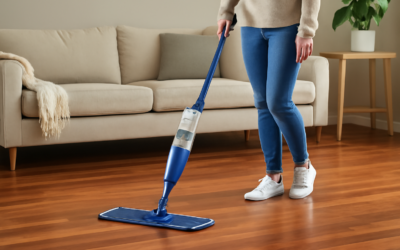
- Wipe with microfiber. Use a Bona or other microfiber pad to lift the dirt and dry the surface as you go.
- Work in sections. Clean a few square feet, then move on so nothing sits wet.
- No rinsing needed. The residue-free formula dries clean, so there is nothing to rinse away.
Refill bottles and larger jugs are available, which cuts cost per ounce and reduces plastic waste compared with buying single spray bottles repeatedly.
How It Compares to Homemade Cleaners
Many people mix their own floor cleaner from water, vinegar, and a squirt of dish soap. The problem is that vinegar is acidic and dish soap leaves residue, so over months a homemade blend can dull the finish and build up film. Bona’s neutral pH and low-residue surfactants avoid both issues. For a sealed polyurethane wood floor, a purpose-built neutral cleaner is the safer long-term choice, especially if you plan to have the floor screened and recoated in the future, since residue-free floors accept new finish far better.
Frequently Asked Questions
Does Bona hardwood floor cleaner leave a residue?
No. It is specifically formulated to be residue-free, using low concentrations of biodegradable surfactants that rinse clean as they dry. That is why it will not build up haze the way oil soaps and some homemade cleaners do.
Is Bona hardwood floor cleaner toxic?
It is a low-VOC, water-based product with GREENGUARD GOLD certification, considered safe for homes with kids and pets once dry. Like any cleaner, it should not be ingested and should be stored out of reach of children.
Can I use Bona hardwood cleaner on all wood floors?
It is made for sealed, finished hardwood floors. Avoid using it on unsealed, waxed, or oiled floors, since those surfaces need different care. If your floor has a polyurethane or similar factory finish, Bona is a good match.
In short, Bona keeps its ingredient list simple on purpose: water, gentle biodegradable surfactants, a touch of solvent, pH balancers, and trace preservatives, with no wax, acids, ammonia, or oil soap. That formula cleans everyday dirt while protecting the finish, which is exactly what a good wood floor cleaner should do.
Prefer to explore on your own?
See how new flooring looks in your actual room in seconds — free, no signup.
Try the free Floor Studio →