Ask ten flooring pros what they mop their own wood floors with and a striking number will say the same brand. Bona hardwood products have become the default recommendation for cleaning and maintaining wood floors precisely because they are water-based, pH-neutral, and formulated not to leave the dulling residue that generic floor cleaners build up over time. The Swedish company also makes the professional finishes and refinishing systems many contractors use on the job. From the spray mop under your sink to the waterborne poly on a freshly sanded floor, here is how the Bona lineup works and how to use each piece correctly.
Why Bona Is So Widely Recommended
The core appeal is what Bona products do not do. They are water-based and pH-neutral, so they clean without stripping your floor’s finish or leaving a hazy film that attracts dirt. Oil soaps and vinegar solutions, by contrast, either build up a dull residue or slowly etch a polyurethane finish, which is why so many floors look cloudy over time.
The formulas are also low-VOC and GREENGUARD Gold certified, meaning low chemical emissions, which matters in a home with kids and pets crawling on the floor. That combination of effectiveness and safety is what earned the brand its reputation among installers.
The Bona Cleaner Lineup
Bona makes surface-specific cleaners, and matching the product to your floor matters because the wrong one can leave streaks or the wrong sheen.
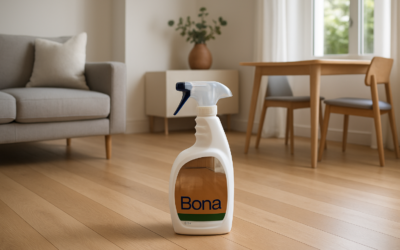
- Bona Hardwood Floor Cleaner: The flagship, for sealed and finished wood floors. Comes in ready-to-use spray bottles and refill concentrate.
- Bona Hard-Surface Floor Cleaner: For tile, laminate, vinyl, and LVP. Do not use the hardwood formula on these and vice versa.
- Bona Stone, Tile & Laminate Cleaner: A pH-balanced option for those specific surfaces.
- Bona PowerPlus Deep Clean: A stronger formula for built-up grime before a maintenance coat.
The everyday hardwood cleaner runs roughly $6 to $10 for a ready-to-use bottle, and a concentrate refill is far more economical per use.
The Spray Mop and Applicators
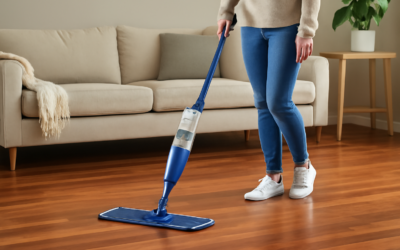
Bona’s reusable spray mop is the product most homeowners actually own. It combines a refillable cartridge of cleaner, a trigger sprayer on the handle, and a washable microfiber pad. The design keeps you from over-wetting the floor, which is the cardinal sin with wood.
Use the microfiber cleaning pad for regular mopping and toss it in the washing machine when it is dirty; skip fabric softener, which coats the fibers and reduces their grab. Bona also sells a dusting pad that uses disposable or washable cloths to trap fine dust before you mop. The key habit is dust-mopping first, then spray-mopping, so you are not grinding grit across the finish.
How to Clean a Wood Floor With Bona
The method is simple, but a couple of details separate a streak-free floor from a hazy one.
- Dust-mop or vacuum first to remove loose grit that would otherwise scratch the finish.
- Spray a light mist of cleaner directly on the floor, a few square feet at a time. Never soak the floor; standing water is wood’s enemy.
- Mop in the direction of the wood grain with a clean microfiber pad.
- For a large area, work in sections so the cleaner does not dry before you mop it up, which is what causes streaking.
The floor dries in a minute or two and needs no rinsing. If you see streaks, you likely used too much product or a dirty pad.
Bona Finishes and Refinishing Systems
Beyond cleaning, Bona makes the waterborne finishes pros apply after sanding. Products like Bona Traffic HD are commercial-grade, two-component waterborne polyurethanes known for exceptional durability and fast dry times, curing far quicker than old oil-based polys and with much lower odor and yellowing.
For homeowners who want to refresh a dull but structurally sound floor without a full sanding, Bona offers a refresher and recoat system. You clean and lightly abrade the existing finish, then roll on a fresh waterborne coat that restores the sheen. This is a weekend project rather than a full refinish, and it extends the life of the existing finish by years. Full waterborne finish products run $40 to $90 per gallon, with a gallon covering roughly 500 to 600 square feet per coat.
What to Avoid on Wood Floors
Even with the right Bona product, technique matters. Never use a steam mop on hardwood; the heat and moisture force water into the seams and can permanently damage the boards and finish. Avoid oil soaps, wax-based cleaners, vinegar, and ammonia, all of which either build residue or degrade a polyurethane finish over time.
Keep water use to a minimum in general, wipe spills promptly, and place mats at entrances to catch grit before it reaches the floor. Used as intended, the Bona hardwood system, a dust mop, the right spray cleaner, and an occasional recoat, keeps a wood floor looking its best for decades without the residue and damage that generic cleaning products cause. It is popular with contractors for a simple reason: it works, and it is gentle on the finish they just spent hours applying.
Bona vs. Other Cleaning Methods
It helps to understand why so many pros steer homeowners toward this system over the alternatives. Vinegar-and-water solutions, a popular internet remedy, are mildly acidic and over time can etch and dull a polyurethane finish, leaving the floor looking hazy. Oil soaps such as Murphy Oil Soap leave a residue that builds up coat after coat, attracting dirt and making it nearly impossible to recoat the floor later without stripping.
Steam mops are the most damaging of all, forcing hot moisture into board seams where it swells the wood and can lift the finish. Against these, a pH-neutral, water-based cleaner that dries fast and leaves no film is simply the safest choice for a finished wood floor. The one competitor worth noting is other reputable pH-neutral hardwood cleaners, which work on the same principle; the important thing is matching a neutral, residue-free product to your floor, and Bona happens to be the most widely stocked and trusted of them.
Building a Simple Maintenance Routine
Consistency beats intensity when it comes to wood floors, and a light routine prevents the deep problems that force expensive refinishing. Dust-mop or vacuum with a hard-floor setting every few days in busy households to keep grit off the finish, since grit is what actually wears a floor down. Spray-mop with the hardwood cleaner weekly, or more in high-traffic zones like kitchens and entries.
Place walk-off mats at every exterior door and felt pads under furniture legs to cut down on scratches and tracked-in debris. Every three to five years, depending on wear, apply a maintenance recoat with the refresher system before the finish wears through to bare wood; catching it at that stage is a cheap roll-on job, while letting it go until the wood is exposed forces a full sand-and-refinish. Follow that rhythm and the Bona products will keep a floor healthy far longer than sporadic deep cleaning ever could.
Prefer to explore on your own?
See how new flooring looks in your actual room in seconds — free, no signup.
Try the free Floor Studio →