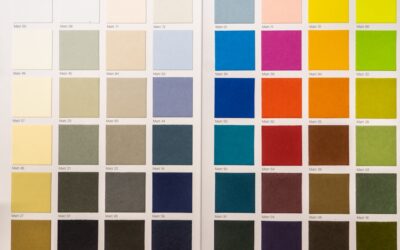
Painting a kid’s room is one of the few home projects where you have permission to get playful. A toddler’s first room, an elementary kid’s adventure zone, and a teenager’s sanctuary all call for different palettes, and getting it right makes the space work for the next five years instead of six months. These boys room paint ideas organize by age and theme with specific paint colors, finish recommendations, and tips that keep the room flexible enough to evolve with your child.
Part of our Paint & Walls guide — explore the full guide →
- Color Psychology for Kids' Rooms
- Blue Paint Options
- Green Paint Options
- Toddler Rooms (Ages 1 to 4)
- Elementary Ages (5 to 10)
- Tween and Teen Rooms (11 to 18)
- Sports Themes
- Adventure and Outdoor Themes
- Finishes and Practical Considerations
- Accent Wall Ideas
- Ceiling and Trim Ideas
- Budget Guide
- Final Recommendation
Color Psychology for Kids’ Rooms
Color affects mood, energy, and sleep — even in kids who could not care less about interior design. Cool tones like blue and green promote calm and focus, which is why they dominate children’s room inspiration. Warm tones like red and orange energize, which is great for playrooms but counterproductive in bedrooms. Neutrals provide flexibility but can feel flat without texture or an accent wall.
The right strategy usually combines a calming base color across most walls with an accent or feature wall that adds personality. This approach ages better than painting all four walls a bold color that the kid will outgrow in two years.
Blue Paint Options
Blue is the default for a reason. It reads as classic, calming, and masculine without feeling dated. The range is huge — from soft sky blues to deep navy — and each shade creates a different mood.
- Sherwin-Williams Naval (SW 6244): deep navy. Looks incredible with white trim. Feels sophisticated and grown up.
- Benjamin Moore Blue Note (2129-30): medium slate blue. Works for any age from toddler to teen.
- Behr Swiss Coffee (adjacent) with Sherwin Sea Salt (SW 6204): very soft blue-green. Calming for younger boys.
- Farrow & Ball Stiffkey Blue (281): dramatic deep blue-teal. Great for teen rooms with darker furniture.
- Benjamin Moore Hale Navy (HC-154): rich navy with a hint of warmth. Pairs with brass hardware.
Green Paint Options
Green has surged in popularity for kids’ rooms. It works well for adventure themes, nature-inspired spaces, and modern aesthetics. Unlike blue, green pairs easily with wood tones and plants.
- Sherwin-Williams Evergreen Fog (SW 9130): muted sage green. Sophisticated and versatile.
- Benjamin Moore Hunter Green (2041-10): classic deep green. Works for preppy or outdoorsy themes.
- Farrow & Ball Card Room Green (79): warm grayish green. Cozy without feeling dark.
- Behr Jojoba (N390-4): medium-muted green. Pairs with natural wood and white linen.
- Sherwin-Williams Dried Thyme (SW 6186): dusty green. Calm and versatile.
Toddler Rooms (Ages 1 to 4)
Young boys respond to softer colors with clear themes. A soft blue or green wall paired with one accent wall featuring a mural, wallpaper, or bold pattern creates a space that feels playful without being overwhelming. Avoid bright primary colors on all four walls — they are stimulating and can make nap time harder.
Practical tip: toddlers draw on walls. Choose a scrubbable paint finish — Sherwin-Williams Emerald or Benjamin Moore Aura in a matte or eggshell finish hold up to repeated cleaning with mild soap and water. Skip flat paints in kids’ rooms unless you plan to repaint within two years.
Elementary Ages (5 to 10)
This is where themes really shine. Space, dinosaurs, sports, trains, superheroes, and outdoor adventure are classic themes that resonate with this age group. The trick is incorporating the theme through accessories and one feature wall rather than painting the entire room to match.
For example, a dinosaur-themed room can use muted forest green walls with dinosaur-print pillows, a topographic map poster, and a dinosaur silhouette decal on one accent wall. When the kid outgrows dinosaurs at age 11, you swap pillows and decals without repainting.
Tween and Teen Rooms (11 to 18)
Older boys want rooms that feel more mature. Navy, charcoal, deep green, and warm neutrals dominate. Consider painting the ceiling a different shade — a charcoal ceiling over cream walls feels dramatic and adult. Two-tone walls with a darker color on the bottom third also work well for tween rooms.
Involve the teen in the color choice. A kid who picks their own paint color treats the room better, and the outcome is more likely to suit how they actually use the space. Popular choices for teen rooms include Sherwin-Williams Urbane Bronze, Benjamin Moore Wrought Iron, and Farrow & Ball Railings.
Sports Themes
Sports-themed rooms have stood the test of time. The key is integrating team colors without turning the room into a locker room. Paint three walls in a neutral and one accent wall in the primary team color. Frame jerseys, pennants, and ticket stubs on the accent wall rather than papering the whole room.
- Baseball: classic green and cream with wooden shelving. Add vintage pennants and a leather glove on display.
- Basketball: team-colored accent wall with framed jerseys. Add a mini hoop over the closet door.
- Soccer/football: green base with accent wall in team colors. Use framed match tickets or signed memorabilia.
- Hockey: cool grays or blues with team accents. A wall-mounted stick holder adds function.
Adventure and Outdoor Themes
Camping, hiking, and adventure themes are enduring favorites. Think muted greens, warm earth tones, and wood accents. A camping-themed room with a topographic map mural, vintage camping gear displayed on shelves, and a plaid wool blanket on the bed feels timeless.
Mountain and woodland themes work especially well in rooms with existing natural light and wood furniture. Consider a painted mountain silhouette along one wall — a DIY weekend project that dramatically transforms the space. Use painters tape for sharp edges and 2-3 coats of contrasting paint.
Finishes and Practical Considerations
For walls in kids’ rooms, eggshell or matte finish with good washability is the sweet spot. Eggshell hides minor imperfections while still allowing cleaning. Satin works for trim and doors that see more hands. Semi-gloss is reserved for trim, doors, and baseboards.
Spend money on quality paint. Sherwin-Williams Emerald, Benjamin Moore Aura, and Behr Marquee cost $65 to $90 per gallon but cover in two coats with excellent durability. Cheap paints require three or four coats and scrub off when you try to clean crayon marks.
Accent Wall Ideas
- Wallpaper — adventure maps, forest scenes, geometric patterns
- Painted stripes — horizontal, vertical, or diagonal in two colors
- Painted mountain or tree silhouettes
- Chalkboard paint for a full drawing wall
- Peg boards for organizing and displaying sports gear or building kits
- Gallery wall of framed photos, posters, and memorabilia
- Board and batten treatment in a contrasting color
Ceiling and Trim Ideas
Do not forget the fifth wall. A painted ceiling in a complementary color adds depth without adding clutter. Navy ceilings over cream walls, or a soft blue ceiling painted with subtle stars, create memorable spaces that kids genuinely love.
Trim typically stays white for contrast, but a bold approach paints trim a darker shade for a more modern look. Keep doors and built-ins in the same color family as the trim for a cohesive feel.
Budget Guide
A typical 10×12 foot boys room needs 1.5 to 2 gallons of paint for walls plus a quart for trim. Budget $80 to $180 for quality paint, $30 to $60 for supplies (rollers, tape, brushes, drop cloths), and a weekend of labor. Adding wallpaper, decals, or a feature wall treatment adds $50 to $300 depending on materials.
Final Recommendation
The best boys room paint ideas balance personality with longevity. Pick a base color that will work for the next five years, use accessories and decals for the current passion theme, and invest in quality paint that cleans easily. Involve the kid in the decision when they are old enough to care. The result is a room that grows with your son rather than needing a repaint every time his interests change.