
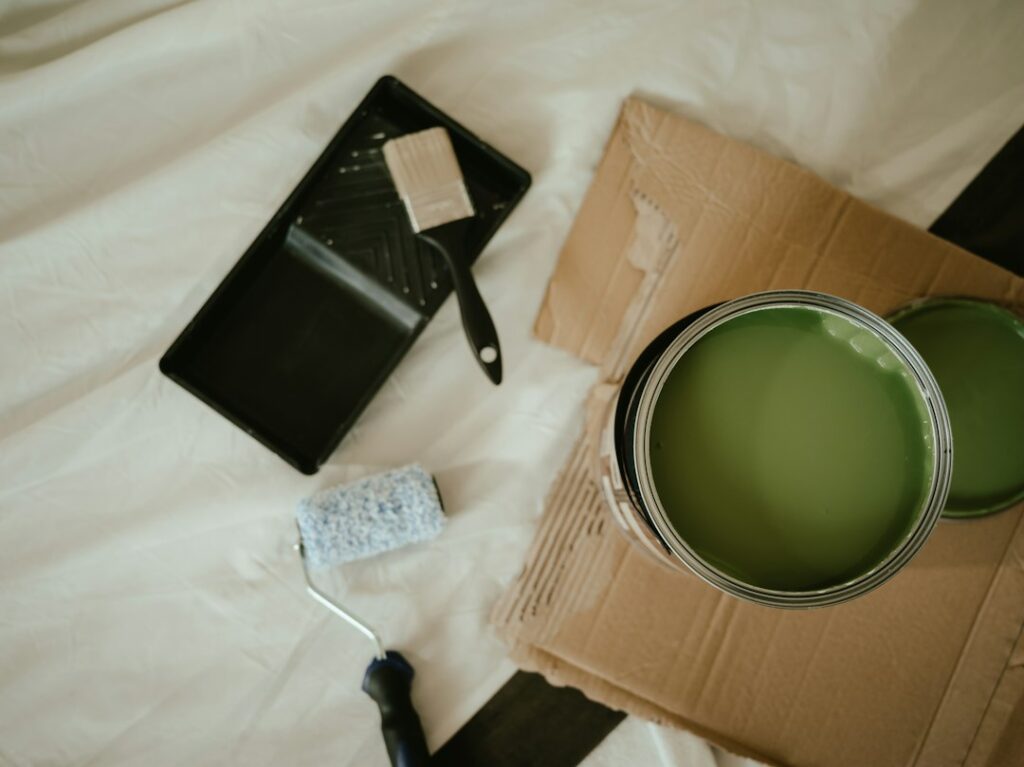
Most parents redesign the nursery within three years, usually because the original theme was built around a baby rather than a child. The best nursery theme ideas start with a flexible foundation (walls, floor, lighting, and storage) and layer the theme on top with pieces you can swap for $100-$300 later. Get the base right and the room works from the first midnight feeding through the first sleepover. Below you will find a dozen themes, what each one costs to pull off, and the practical details that decide whether a nursery actually works day to day.
- How to Choose Nursery Theme Ideas That Last
- Nature-Inspired Themes
- Sky, Travel, and Adventure Themes
- Minimal, Classic, and Storybook Themes
- Flooring and Walls: The Foundation Under Any Theme
- Safety Rules That Every Theme Must Follow
- Lighting, Storage, and Layout Tips
- Budgeting and Timeline for a Nursery Makeover
- Final Thoughts on Planning Your Nursery
How to Choose Nursery Theme Ideas That Last
Before you fall in love with a mural or a stack of woodland decals, decide what stays permanent and what stays temporary. Permanent elements include paint color, flooring, window treatments, and built-in storage. Temporary elements include bedding, wall art, rugs, mobiles, and small accessories. A good rule is to spend roughly 70% of your budget on the permanent layer and 30% on the theme layer, because the theme is the part that will change.
Think about the room’s natural light too. A north-facing nursery reads cooler and dimmer, so warm whites and soft yellows help. A south- or west-facing room gets strong afternoon sun, which makes deep blues and greens feel calm rather than gloomy and makes blackout curtains a must for naps. Sample paint on two walls and check it at 7 a.m., 2 p.m., and under a dim lamp at night, because that last condition is when you will see the room most in the first year.
- Permanent layer: low-VOC paint, durable flooring, blackout window treatments, closet system, dimmable lighting
- Theme layer: crib sheets, quilt, peel-and-stick decals, framed prints, area rug, mobile, lamp shade
- Budget range: $800-$2,500 for a full nursery excluding furniture; $300-$600 to swap themes later
Nature-Inspired Themes
Nature themes remain popular because they age well. Toddlers still like trees, animals, and clouds, and so do most seven-year-olds.
1. Woodland Forest
Pair a sage or muted olive accent wall with warm white trim, then bring in foxes, owls, and deer through bedding and framed prints. A natural oak crib or dresser grounds the look. Wide-plank wood-look flooring suits this theme especially well, and a low-pile wool rug in cream or moss adds softness where the baby will do tummy time.
2. Botanical Garden
Soft floral wallpaper on one wall, trailing-vine decals, and pressed-flower frames create a garden feel without going overly sweet. Skip real houseplants within reach of the crib; many common species are toxic if chewed, and soil attracts gnats. A faux olive tree in a weighted pot gives the same effect with zero risk.
3. Desert Sunset
Terracotta, blush, and sand tones make a warm, gender-neutral palette. Add a rainbow-arch wall mural painted with a pencil string compass, a jute rug, and rattan baskets. Paint supplies for a hand-painted arch run about $40-$70 and take one afternoon.
4. Under the Sea
Go with soft aqua and navy rather than bright primary blue. A wave-pattern painted wainscot at 36 inches, whale prints, and a round rug that looks like a tide pool keep the theme playful but calm enough for sleep.
Sky, Travel, and Adventure Themes
Adventure themes appeal to parents who want a room with a story. They also transition easily into a big-kid room because the core idea (exploring) never goes out of style.
5. Clouds and Hot-Air Balloons
Paint the ceiling a pale sky blue with soft cloud stencils, then hang two or three paper hot-air balloons from ceiling hooks well away from the crib. Anything hanging should be at least 3 feet outside a standing toddler’s reach from the crib rail.
6. Travel and Maps
A large framed world map, vintage-style suitcases for storage, and a globe lamp make a travel theme feel intentional. Later, the map becomes a teaching tool, which buys the room years of relevance.
7. Starry Night and Space
Deep navy walls work surprisingly well in a nursery when you balance them with white furniture and a light rug. Add a planet mobile and a warm-dimming star projector. Keep projector brightness low and use amber settings at bedtime, since bright blue light can make settling harder.
8. Mountain Cabin
Paint a simple layered-mountain mural along the lower third of one wall in three graduating shades of the same color. A buffalo-check throw, a wood bookshelf, and a sheepskin-look rug complete the cabin feel.
Minimal, Classic, and Storybook Themes
If you prefer a quieter room, these themes rely on palette and texture instead of characters, which makes them the easiest to update later.
9. Modern Neutral
Warm white, oatmeal, and soft charcoal with natural wood tones create a calm backdrop. Texture does the heavy lifting: boucle chair, linen curtains, woven baskets, and a chunky-knit pouf. This is the lowest-cost theme to maintain because you only change accents as the child grows.
10. Classic Storybook
Framed illustrations from a favorite picture book, a reading nook with a floor cushion, and forward-facing book ledges turn reading into the room’s centerpiece. Mount ledges with screws into studs and keep them low so a toddler can reach books without climbing.
11. Scandinavian
White walls, pale ash or birch furniture, a geometric rug, and one or two strong accents in mustard or dusty blue define this look. Keep surfaces clear and use closed storage to hold the inevitable clutter.
12. Rainbow Pastel
Rather than a literal rainbow on every wall, pick three soft pastels and repeat them across bedding, art, and shelving. Painted color-block shelves or a pastel-striped wall behind the crib give the effect with a single weekend of work.
Flooring and Walls: The Foundation Under Any Theme
Flooring gets overlooked in nursery planning, yet it takes more abuse than anything else in the room: spit-up, diaper leaks, rolling glider chairs, and eventually crayons and toy trucks. Your floor also needs to be comfortable for you, since you will spend hours kneeling beside the crib and changing table.
Luxury vinyl plank (LVP) is a strong all-around choice at roughly $3-$7 per sq ft installed. It is waterproof, easy to wipe, and quiet underfoot when paired with an attached pad. Engineered hardwood looks warmer and runs about $6-$12 per sq ft installed, but it needs prompt cleanup of liquids. Low-pile carpet or carpet tile ($2-$6 per sq ft) is softest for crawling, and carpet tiles let you replace a stained square instead of the whole room. Whatever you choose, add a washable rug with a non-slip pad over hard floors to cushion falls once the baby starts pulling up.
| Flooring | Installed cost | Best for |
|---|---|---|
| Luxury vinyl plank | $3-$7 / sq ft | Spills, easy cleaning |
| Engineered hardwood | $6-$12 / sq ft | Warm look, resale |
| Carpet tile | $2-$6 / sq ft | Soft play, spot replacement |
| Cork | $5-$9 / sq ft | Cushion, sound control |
For walls, choose a zero- or low-VOC paint in an eggshell or satin finish so you can scrub fingerprints later. Paint at least four to six weeks before the baby arrives and ventilate the room well. If your home was built before 1978, test for lead paint before sanding or scraping any existing finish, and hire an EPA-certified renovator if lead is present.
Safety Rules That Every Theme Must Follow
A gorgeous theme means nothing if the room is not safe. Build these into your plan from day one rather than adding them as afterthoughts:
- Keep the crib bare. Current safe-sleep guidance calls for a firm, flat mattress with a fitted sheet and nothing else: no bumpers, pillows, blankets, or stuffed animals.
- Anchor tall furniture. Dressers, bookcases, and wardrobes should be anchored to wall studs with anti-tip kits, which cost $10-$20 each.
- Manage cords. Choose cordless blinds or shades, and keep monitor and lamp cords at least 3 feet from the crib.
- Nothing heavy above the crib. Skip framed art, shelves, and heavy decor over the sleeping area. Use lightweight decals instead.
- Cover outlets. Tamper-resistant receptacles are standard in newer homes; add sliding covers in older ones.
- Place the crib wisely. Keep it away from windows, radiators, and heating vents.
If you are adding a ceiling fan, new circuits, or moving outlets as part of the nursery project, hire a licensed electrician. Fan boxes must be rated for the weight and motion of a fan, and new bedroom circuits typically require AFCI protection under current electrical code.
Lighting, Storage, and Layout Tips
Good lighting separates a pretty nursery from a functional one. Plan three layers: an overhead fixture on a dimmer for cleanup and dressing, a warm table or floor lamp near the glider, and a very dim night light at floor level for diaper changes. Bulbs around 2700K feel calm; anything above 4000K reads harsh at 2 a.m.
Storage should assume clutter will triple within a year. A closet organizer with adjustable rods ($150-$600) lets you hang tiny clothes now and double the hanging space later. Open bins at toddler height encourage cleanup habits once the child is walking. Keep diapering supplies within one arm’s reach of the changing surface so you never step away from a baby on a raised platform.
For layout, map the room on graph paper at 1/4 inch per foot before buying furniture. A standard crib footprint is about 28 by 52 inches, a glider needs roughly 3 by 3 feet plus rocking clearance, and a dresser-topper changing station needs about 36 inches of front clearance. Leave a clear path from the door to the crib so you can walk it in the dark without stubbing a toe.
Budgeting and Timeline for a Nursery Makeover
Start planning in the second trimester and aim to finish by week 34-36, which leaves time for paint to cure and new furniture to off-gas with the windows open. A realistic sequence looks like this: repair and paint walls, install flooring, add window treatments and lighting, assemble and anchor furniture, then layer in the theme accents last.
- Paint and supplies: $150-$400 DIY, $400-$900 professionally painted for a 10 by 12 foot room
- New flooring: $400-$1,500 for 120 sq ft depending on material
- Window treatments: $80-$300 for cordless blackout shades and curtains
- Lighting upgrades: $100-$400 plus electrician labor if wiring changes
- Theme accents: $200-$800 for bedding, art, rug, and decor
When the theme eventually needs an update, you can usually keep the paint, floor, and furniture and simply swap bedding, art, and the rug. That is the real payoff of choosing flexible nursery theme ideas: a two-hour refresh instead of a full remodel.
Final Thoughts on Planning Your Nursery
Pick a theme you genuinely enjoy, because you will spend more waking hours in this room during the first year than almost anywhere else in the house. Put your money into safe, durable basics like quality flooring, washable paint, blackout shades, and anchored furniture, then have fun with the decorative layer. Whether you land on a woodland retreat, a starry-night hideaway, or a calm Scandinavian space, a nursery built on a solid foundation will grow gracefully with your child and keep future updates simple and affordable.


