
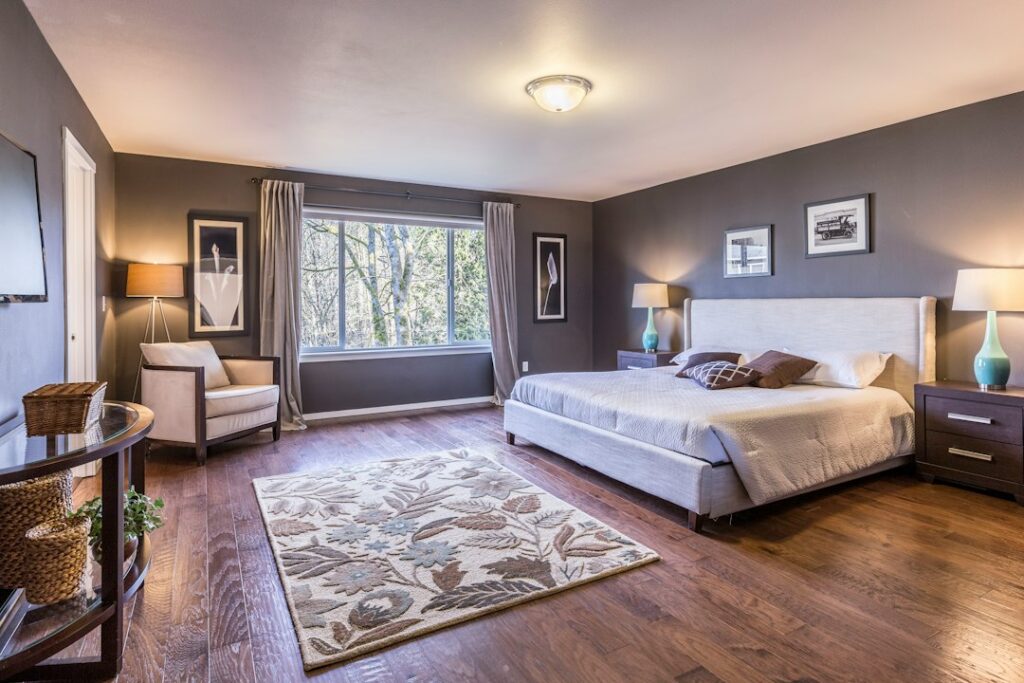
Green has quietly become the most requested nursery color, and it is easy to see why. It is gender-neutral, calming, and flexible enough to shift from a baby room to a big-kid bedroom without repainting. The best green nursery ideas go beyond picking a paint chip, though. They pair the right shade with safe finishes, a practical floor, anchored furniture, and decor that can change as your child grows. This guide covers all of it, with specific shades, materials, and safety steps you can use right away.
- Green Nursery Ideas by Shade
- Choosing Safe Paint and Finishes
- Flooring That Works in a Green Nursery
- Furniture and Wood Tones
- Safety Setup: Anchoring, Cords and Placement
- Wall Decor and Accent Ideas
- Bringing in Plants and Nature Themes
- Lighting and Window Treatments
- Planning a Nursery That Grows With Your Child
- Green Nursery FAQ
Green Nursery Ideas by Shade
Not all greens behave the same on a wall. North-facing rooms pull colors cooler and grayer, while south-facing rooms warm them up. Always test a 2-foot sample on at least two walls and look at it in morning and evening light before committing.
Sage and eucalyptus
Soft, gray-leaning greens are the most popular choice. They read as calm and sophisticated, pair with white, cream, or natural oak, and hide scuffs better than pure white. Sage is a safe bet for any room orientation.
Mint and pistachio
Lighter, fresher greens brighten small or dim rooms. They lean playful and pair well with blush, butter yellow, or soft coral accents. In a sunny room, mint can look almost minty-blue, so sample carefully.
Olive and moss
Earthy mid-tone greens bring warmth and pair beautifully with rattan, linen, and terracotta. They work well on a lower wall with a lighter shade above a chair rail, which keeps the room from feeling dark.
Forest and hunter green
Deep greens create a cozy, cocooning effect that helps some babies settle for naps. Use them on one accent wall, inside built-in shelving, or on the ceiling, and keep the other walls lighter. Deep colors also make a nightlight feel softer.
Choosing Safe Paint and Finishes
Paint the nursery at least two to four weeks before the baby arrives so the finish can fully cure and odors dissipate. Choose a zero-VOC or low-VOC interior paint, and look for third-party certifications for low emissions. Keep windows open and run a fan while painting and for several days after.
Sheen matters for practicality. Eggshell or satin on walls wipes clean without the glare of semi-gloss. Use semi-gloss on trim, doors, and the crib wall’s baseboard, since those areas take the most fingerprints and bumps.
If you are pregnant, let someone else handle the painting, prep sanding, and any stripping. In a home built before 1978, assume existing paint may contain lead. Do not sand or scrape old painted trim, windows, or doors until the paint is tested. If lead is present, hire an EPA RRP-certified contractor, because lead dust is especially dangerous to pregnant people and young children.
Flooring That Works in a Green Nursery
You will spend a lot of time on the nursery floor: rocking, changing, and eventually crawling practice. The ideal floor is soft underfoot, easy to clean, and low in emissions.
- Cork: Naturally warm, cushioned, and quiet. Its honey tones pair beautifully with sage and olive. Seal it well to resist spills.
- Luxury vinyl plank: Waterproof and easy to wipe, which matters for diaper leaks and spit-up. Look for products certified for low VOC emissions and choose a light oak or natural wood look.
- Hardwood or engineered wood: Timeless and durable. White oak or maple with a matte finish works with every green.
- Wool or low-pile carpet: Softest option, but harder to keep clean. A washable area rug over a hard floor often gives you the best of both.
For a rug, a 5×8 or 6×9 size usually covers the play area in a standard 10×11 nursery. Use a non-slip rug pad so the rug does not bunch up when you are carrying the baby at 3 a.m. Natural jute looks great with green but is scratchy for crawling knees, so a cotton or wool flatweave is kinder.
Furniture and Wood Tones
Green loves natural materials. Light woods like white oak, ash, and birch keep a room airy. Walnut and darker woods add richness against sage or olive walls. White furniture gives a crisp, classic look, especially with mint.
Choose a crib that meets current federal safety standards, with slats no more than 2 3/8 inches apart and a firm, tight-fitting mattress. Avoid drop-side cribs and older secondhand cribs that may predate current rules. A convertible crib that becomes a toddler bed stretches your budget further.
A glider or rocking chair, a dresser with a changing topper, and a closed storage unit round out the essentials. Look for rounded corners where possible, and keep the changing area stocked within arm’s reach so you never step away from the baby on the table.
Safety Setup: Anchoring, Cords and Placement
Furniture tip-overs injure thousands of young children every year, and the risk climbs sharply once a baby starts pulling up. Anchor every dresser, bookcase, and tall storage unit to wall studs with anti-tip straps or brackets, even if the furniture feels heavy. Federal standards now require new clothing storage units to be more stable, but anchoring is still the recommended safeguard.
- Screw anchors into a wood stud, not just drywall. A stud finder and 2.5-inch wood screws make the job secure.
- On plaster, masonry, or metal-stud walls, use the correct anchor for that wall type, or have a handyman or contractor install them if you are unsure.
- Keep the crib away from windows, blind cords, wall art, shelves, and lamps. Choose cordless window treatments.
- Do not hang heavy frames or shelves above the crib.
- Cover unused outlets or confirm they are tamper-resistant, and route monitor cords at least 3 feet from the crib.
If you want to add a new outlet for a monitor, sound machine, or dimmer, or move a ceiling light over the changing table, hire a licensed electrician. Nursery electrical work is not the place for a first-time DIY project.
Wall Decor and Accent Ideas
Paint is only the starting point. These green nursery ideas for walls and textiles give a green nursery depth without clutter.
- Two-tone walls: Paint the lower third or half in olive or forest and the upper portion in cream. Divide with a simple painted line or a chair rail.
- Botanical wallpaper: A leafy or fern print on one wall adds texture. Peel-and-stick paper makes it easy to change later.
- Board and batten or picture-frame molding: Painted green, it adds architectural interest and tolerates bumps.
- Painted arch: A green arch behind the crib or reading chair defines a zone with a single quart of paint.
- Soft textiles: Linen curtains, a knit throw, and a patterned crib sheet in coordinating greens.
Keep crib bedding minimal: a fitted sheet only, following safe sleep guidelines. Save pillows, quilts, and stuffed animals for the reading nook, well away from the sleep space.
Bringing in Plants and Nature Themes
Real plants seem like an obvious fit for a green room, but place them carefully. Keep all plants out of reach and away from the crib, and research toxicity before bringing any in. Pothos, philodendron, and peace lilies are common houseplants that are toxic if chewed. Safer choices include spider plants, Boston ferns, and calatheas, but even these should sit on high, anchored shelves once your child is mobile.
High-quality faux plants deliver the same look with no risk and no watering. Other nature-inspired touches include woodland animal prints, a tree decal on one wall, a canopy over the reading corner, and wooden toys in natural finishes.
Lighting and Window Treatments
Layered lighting makes the room work day and night. A dimmable overhead fixture with warm 2700K bulbs, a floor or table lamp by the glider, and a low-level nightlight for late feedings cover every scenario. Warm light keeps greens looking rich rather than clinical.
Blackout curtains or cellular shades help with daytime naps and early summer sunrises. Choose cordless styles only. Mount curtain rods 4 to 6 inches above the window frame and extend them past the sides so panels stack off the glass.
Planning a Nursery That Grows With Your Child
The beauty of green is its longevity. A sage or olive wall works just as well for a five-year-old as for a newborn. To keep the room flexible, invest in the permanent elements, like paint, flooring, and quality furniture, and keep the theme in easily swapped pieces such as bedding, art, and rugs. When your baby becomes a toddler, you can swap a changing topper for a toy bin, add a small table, and update art without touching the walls. These green nursery ideas are meant to give you a calm, safe room today and a sensible foundation for the years ahead.
Green Nursery FAQ
What shade of green is best for a nursery?
Soft sage and eucalyptus greens are the most versatile because they are calming and work in nearly any light. Mint brightens small rooms, while olive and forest add warmth and coziness on accent walls.
When should I paint the nursery?
Paint at least two to four weeks before the baby arrives using zero- or low-VOC paint, and ventilate well. That gives the finish time to cure and odors time to clear.
Do I really need to anchor nursery furniture?
Yes. Anchor every dresser, bookcase, and tall unit to wall studs with anti-tip hardware. Tip-overs are a serious risk once children start climbing and pulling up on furniture.
Is green a good nursery color for any gender?
Green is widely considered gender-neutral, which makes it a popular choice for parents who want a room that suits any child and can be passed on to siblings.


