A bathroom theme is more than a paint color and a soap dispenser. The strongest bathrooms commit to a clear style across tile, fixtures, lighting, hardware, and textiles, then resist the temptation to mix in random trends. Choosing among bathroom themes is really choosing the visual story you want every morning before coffee. This guide walks through the dominant themes for 2026, the materials and colors that define each one, the cost ranges to execute them well, and the small details that separate a coherent room from a scattered Pinterest board.
Modern Spa Theme
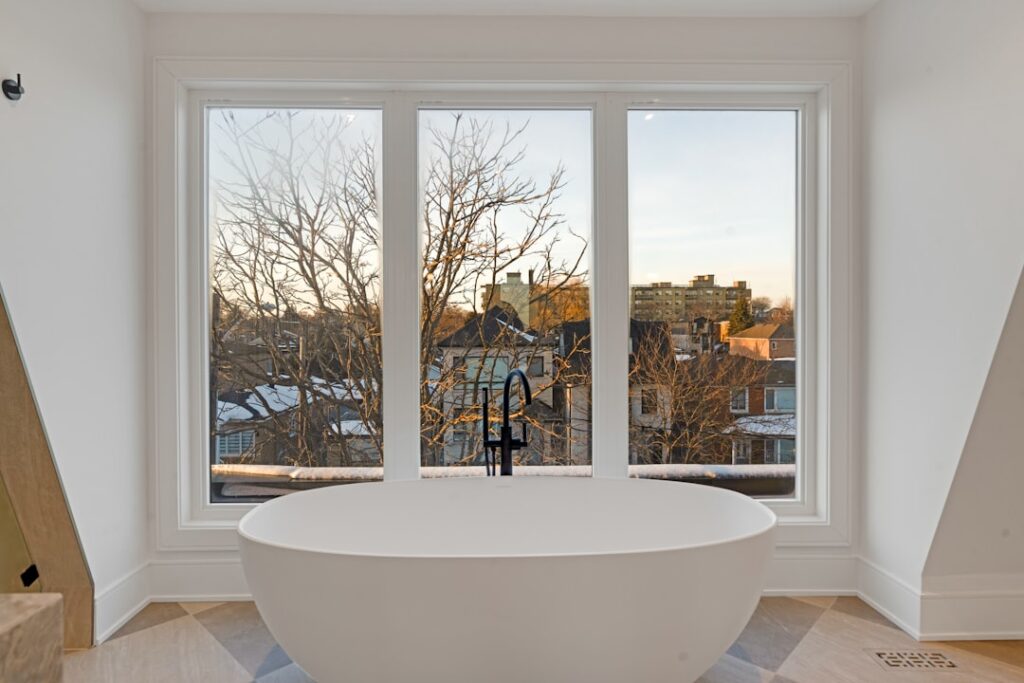
Spa bathrooms emphasize natural materials, neutral palettes, and uncluttered surfaces. Large-format porcelain tile in warm gray or sand, teak shower benches, frameless glass enclosures, and a single statement plant define the look. Color palette stays within 3 tones, usually a warm white, a mid-range stone, and a deep accent like charcoal or eucalyptus green.
Budget runs $15,000 to $30,000 for a full primary bath remodel. The expensive moves are large-format tile installation at $14 to $20 per square foot installed and frameless glass shower enclosures starting at $1,800. Skimp anywhere else but not on the tile setter, who makes or breaks the look.
Coastal and Beach Theme
Coastal style means soft blues, sandy whites, weathered woods, and brushed nickel or polished chrome fixtures. Avoid the literal seashell-and-anchor cliche. Modern coastal looks more like a Cape Cod beach cottage from a Nancy Meyers movie: shiplap walls, a marble herringbone floor, and a vintage-style cross-handle faucet.
Color palette: Benjamin Moore Palladian Blue HC-144, Sherwin-Williams Sea Salt SW 6204, and a clean trim white. Add bleached oak vanity tops, woven jute rugs, and seeded glass pendant lighting for the right balance of nautical and refined.
Farmhouse Theme
Modern farmhouse pairs apron-front tubs, subway tile, beadboard wainscoting, and matte black or oil-rubbed bronze fixtures. Wood-look porcelain tile floors at $4 to $9 per square foot installed deliver the warmth without water damage risk. A reclaimed wood vanity with a vessel sink anchors the room.
Avoid the fake barn door on a track if the bathroom adjoins a bedroom: privacy and sound control suffer. Opt for a solid pocket door with farmhouse trim instead. Color palette stays within crisp white, soft cream, and matte black accents.
Traditional Theme
Traditional bathrooms reference classic American and English design with marble counters, crown molding, polished brass or chrome fixtures, and pedestal or furniture-style vanities. Wainscoting at chair rail height (32 to 36 inches) frames the lower walls. Penny tile or hex mosaic floors in white with black accents read timeless rather than trendy.
The Kohler Memoirs collection at $400 to $1,200 per fixture defines the look. Pair with Restoration Hardware Lugarno towel bars and a cast iron clawfoot tub starting around $2,400. Total renovation budget runs $20,000 to $45,000 done right.
Industrial Theme
Industrial bathrooms borrow from converted lofts: exposed brick or concrete walls, metal framed shower enclosures, blackened steel hardware, and Edison bulb lighting. Concrete countertops at $65 to $135 per square foot installed and a freestanding vintage-style tub on iron feet anchor the space.
Soften the hard edges with a single warm element like a leather mirror strap, a reclaimed wood shelf, or a wool runner. Without softness, industrial reads like a parking garage. Color palette stays in grays, blacks, and warm metallics.
Mid-Century Modern Theme
Mid-century pulls cues from 1955 to 1975: walnut vanities with hairpin or angled legs, mosaic tile in mustard, teal, or olive, brass or burnished gold fixtures, and atomic-shaped mirrors. The Schoolhouse Electric and Rejuvenation product lines deliver authentic detail at $300 to $1,200 per fixture.
The bathroom that nails this look avoids overdoing the vintage references. Mix one bold tile choice with calm walls and floors. A single mustard penny tile feature wall behind the vanity carries the era without overwhelming the room.
Boho and Globally-Inspired Themes
Bohemian bathrooms layer Moroccan zellige tile, brass fixtures, woven baskets, and houseplants like pothos and ferns. Color palette runs warmer, with terracotta, ochre, and faded teal. Cement tile floors with patterned designs at $10 to $18 per square foot installed deliver instant character.
The challenge is restraint. Pick one statement element and let everything else support it. A bold Moroccan tile floor pairs with simple white walls and a clean walnut vanity, not three competing patterns.
Minimalist Theme
Minimalist bathrooms strip color and ornament to near zero. Wall-hung vanities by Duravit or Laufen at $1,200 to $4,000 float above tile floors. Wall-mounted faucets eliminate counter clutter. The medicine cabinet recesses fully into the wall. The single visible texture is usually one large stone slab.
Hidden storage matters more here than in any other theme because nothing sits on the counter. Plan deep drawers, a vanity nook for daily-use items, and a tall linen closet to house the things visible in other bathrooms.
Cohesive Design Rules Across All Themes
- Pick one fixture finish and use it for all visible plumbing, hardware, and lighting
- Limit the room to 3 colors plus white, with one accent at most
- Coordinate tile sizing: avoid mixing more than two scales in one bathroom
- Match the vanity style to the era of the home or commit fully to a contrast
- Light at three levels: ambient overhead, task at the mirror, accent in the shower
Budget Allocations That Hold Up
For a full primary bath remodel, allocate roughly 25 percent to tile and installation, 20 percent to plumbing fixtures, 15 percent to vanity and counter, 10 percent to lighting, 10 percent to glass and mirrors, 10 percent to labor outside tile, and 10 percent contingency. Themes that overspend on a freestanding tub at $4,000 often run out of money for trim work and finish details that actually drive the everyday experience. Pick the theme, write the budget, then make decisions in order from biggest visual impact down to smallest.
Mixing Themes Without Looking Disjointed
Pure-theme bathrooms can feel like stage sets. Most successful renovations blend two compatible themes, for example modern spa with light coastal touches, or traditional with subtle farmhouse hardware. The trick is keeping one theme dominant at 70 to 80 percent of the visual weight while the supporting style provides accents through textiles, art, or small accessories.
Avoid mixing themes that fight, like industrial with traditional or boho with minimalist. The eye reads competing messages and the room feels unresolved. Stick to compatible neighbors on the design spectrum and the result reads as personal rather than confused.