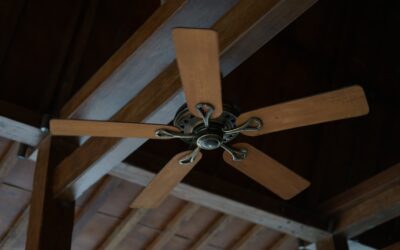
A brass ceiling fan has quietly become one of the most sought-after fixtures in American homes, riding the same warm-metal wave that made brass faucets and cabinet hardware popular again. The look bridges vintage charm and modern warmth, offering an alternative to the cool chrome and matte black that dominated the last decade. But brass fans vary enormously in finish, quality, and price, so knowing what to look for keeps you from buying a shiny disappointment.
Why Brass Is Back
Brass fell out of fashion in the early 2000s when polished, lacquered gold read as dated. What returned is different: today’s brass leans toward soft, muted tones like antique brass, satin brass, and aged gold rather than the mirror-bright finishes of decades past. These warmer metals pair beautifully with white ceilings, wood tones, and the earthy palettes trending in kitchens and living rooms. A brass fan adds a jewelry-like accent overhead, drawing the eye upward and tying together warm-metal fixtures elsewhere in the room.
Understanding Brass Finishes
Not all brass is created equal, and the finish drives both appearance and durability. Knowing the vocabulary helps you shop confidently.
- Polished brass: bright, reflective, and traditional. It shows fingerprints and can look formal, and lacquered versions may yellow over years.
- Antique brass: darker, with intentional shading in the recesses that mimics age. Forgiving and versatile.
- Satin or brushed brass: a soft matte gold with fine grain lines. The current favorite for its understated, modern warmth.
- Aged or burnished brass: uneven, hand-finished tones that read vintage and hide smudges well.
Be aware that many affordable fans are not solid brass but steel or aluminum with a brass-colored coating. That is fine for most homes, but ask whether the finish is powder-coated, plated, or a living finish that patinas over time. Living finishes change appearance as they age, which some buyers love and others find inconsistent.
Sizing the Fan to Your Room
A gorgeous finish means nothing if the fan is the wrong size. Blade span, measured in inches or diameter across the blades, should match room square footage for proper air movement.
- Up to 75 sq ft (bathrooms, breakfast nooks): 29 to 36 inch span.
- 76 to 144 sq ft (bedrooms, offices): 36 to 44 inch span.
- 144 to 225 sq ft (living rooms, master bedrooms): 44 to 54 inch span.
- Over 225 sq ft (great rooms): 54 to 72 inches, or consider two fans.
Ceiling height matters too. Blades should sit 8 to 9 feet above the floor for best airflow, with at least 7 feet of clearance for safety. On tall ceilings use a downrod to lower the fan; on ceilings under 8 feet, choose a low-profile or flush-mount “hugger” brass fan.
Styles and Blade Configurations
Brass fans span many aesthetics. Mid-century models pair brass motors with walnut-toned blades. Farmhouse versions add caged light kits and antique bulbs. Contemporary designs use sleek two- or three-blade profiles with satin brass hardware. Consider whether you want an integrated LED light, a downrod versus flush mount, and how many blades. More blades move air quietly at lower speed, while fewer blades in modern designs move more air with a bolder look. Match blade color to your furniture rather than your ceiling for a cohesive result.
What a Brass Ceiling Fan Costs
Price tracks quality and construction. Budget brass-finish fans run $80 to $150 and typically use coated metal blades and a basic motor. Mid-range models from established brands cost $150 to $350 and offer better motors, quieter operation, and DC-motor efficiency. Premium designer fans with solid or high-grade plated brass, hand-applied finishes, and smart controls range from $400 to $900 or more. Add $100 to $300 for professional installation if you are not comfortable with electrical work, and more if new wiring or a fan-rated box is required.
Installation Basics
Installing a brass fan is a moderate DIY project if wiring already exists, but it demands the right support. A ceiling fan must hang from a fan-rated electrical box marked “acceptable for fan support,” not a standard light box, because fans create vibration and weight that ordinary boxes cannot handle. Key steps and cautions include:
- Shut off power at the breaker and verify with a tester before touching wires.
- Confirm or install a fan-rated brace box, ideally screwed into a joist or a fan-support brace.
- Assemble the fan on the ground, then lift the motor onto the mounting bracket, which usually has a hook to hold it while you connect wires.
- Match wires: black to black (hot), white to white (neutral), green or bare to ground, and blue to a second switch leg if you have a separate light control.
- Balance the blades with the included kit if you notice wobble, and tighten all set screws.
If you have sloped ceilings, a downrod with a compatible canopy is required, and heavy fans on high ceilings are a job worth hiring out.
Caring for the Finish
Brass keeps its charm with gentle care. Dust blades and the motor housing regularly with a microfiber cloth, since buildup causes wobble and imbalance. For lacquered or coated brass, wipe with a soft damp cloth and mild soap, avoiding abrasive cleaners or acidic products that strip the coating. For unlacquered living-finish brass, expect natural patina; if you want to slow it, a light coat of paste wax helps. Never use metal polish on a coated fan, as it can permanently damage the surface. Twice a year, check that mounting screws and blade screws are snug.
Common Mistakes to Avoid
The most frequent error is finish mismatch: buying a bright polished fan when the rest of the room uses satin brass fixtures, creating a jarring clash. Take a hardware sample when shopping. Another mistake is ignoring the motor. A beautiful fan with a cheap AC motor may hum, wobble, or wear out in a few years, so invest in a quality DC motor for quiet, efficient performance. Homeowners also frequently oversize or undersize the blade span, and skip the fan-rated box, which is a genuine safety hazard. Finally, remember to run the fan counterclockwise in summer to push air down, and clockwise on low in winter to circulate warm air.
Pairing a Brass Fan With Your Room’s Style
A brass fan works hardest as a design element when it echoes other warm metals already in the space. In a kitchen, coordinate it with brass cabinet pulls, faucet, or pendant lights over the island. In a living room, tie it to picture frames, table lamps, or a coffee table with brass legs. The goal is repetition: two or three touches of the same metal tone read as intentional design, while a single lonely brass fan can look like an afterthought. You do not need everything to match exactly, since mixing brushed and antique brass adds depth, but the undertones should harmonize rather than clash.
Consider the ceiling color too. Against a crisp white ceiling, satin brass pops with warmth, while against a darker or wood-clad ceiling it reads more subtly and sophisticated. Blade color is your second lever: light oak or white blades keep an airy, coastal feel, while walnut or espresso blades ground the fan in a moodier, mid-century look. If your room already has a bold light fixture, choose a fan with an integrated low-profile LED or no light kit at all so the two do not compete. And remember that a fan is viewed from below, so the underside of the motor housing and the light kit lens matter as much as the top. Thinking of the fan as jewelry for the ceiling, rather than merely an appliance, leads to choices that feel cohesive and deliberate throughout the room.
A well-chosen brass ceiling fan does double duty, cooling the room efficiently while serving as a warm design statement overhead. Match the finish to your existing hardware, size the blades to the space, hang it from a proper fan box, and give it occasional dusting, and you will enjoy a fixture that stays both functional and stylish for a decade or more.