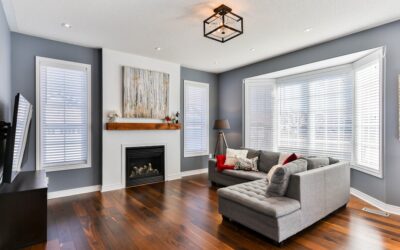
Brazilian cherry hardwood flooring (also known as Jatoba) is one of the most striking and durable exotic hardwoods available for residential flooring. Its deep reddish-brown color, exceptional hardness, and dramatic grain patterns make it a statement floor that commands attention in any room.
With a Janka hardness rating of 2,350 lbf — nearly twice that of red oak — Brazilian cherry is among the hardest woods used in residential hardwood flooring. This guide covers everything you need to know before investing in this premium exotic species.
- What Is Brazilian Cherry (Jatoba)?
- Color and Appearance
- Benefits of Brazilian Cherry Hardwood Flooring
- Limitations of Brazilian Cherry Hardwood Flooring
- Brazilian Cherry Flooring Costs in 2026
- Solid vs. Engineered Brazilian Cherry
- Installation Considerations
- Maintaining Brazilian Cherry Hardwood Floors
- Brazilian Cherry vs. Other Exotic Hardwoods
- Brazilian Cherry vs. Domestic Hardwoods
- Is Brazilian Cherry Right for You?
- Final Thoughts
What Is Brazilian Cherry (Jatoba)?
Brazilian cherry is the common commercial name for Jatoba (Hymenaea courbaril), a tropical hardwood native to Central and South America, primarily Brazil, Bolivia, Peru, and Mexico. Despite the name, it is not related to cherry trees — the “cherry” designation refers to its warm reddish coloring.
Key Characteristics
- Janka hardness: 2,350 lbf (for comparison: red oak is 1,290, white oak is 1,360, hickory is 1,820)
- Color: Ranges from golden tan to deep reddish-brown, darkening significantly with age and light exposure
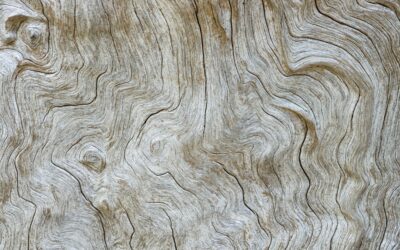
- Grain: Interlocking grain pattern that creates visual depth and movement
- Density: Extremely dense at approximately 57 lbs per cubic foot
- Photosensitivity: Very high — color deepens dramatically in the first 6 to 12 months after installation
Color and Appearance
One of the most distinctive aspects of Brazilian cherry is how its color evolves over time. When freshly milled, the heartwood ranges from salmon-pink to golden-tan with occasional darker streaks. Within weeks to months of exposure to light, the color deepens to a rich reddish-brown to deep burgundy.
This photosensitive nature is both a benefit and a consideration:
- Benefit: The final color is extraordinarily rich and warm — deeper and more complex than any stain could achieve on lighter woods.
- Consideration: Area rugs and furniture that block light create uneven color development. If you rearrange furniture after several months, the difference can be stark.
The grain pattern of Brazilian cherry is interlocking, which creates a subtle visual texture and prevents the wood from splitting easily. Some boards display dramatic figure and chatoyance (a shifting, cat-eye effect when viewed from different angles).
Benefits of Brazilian Cherry Hardwood Flooring
Extreme Hardness
At 2,350 lbf on the Janka scale, Brazilian cherry resists dents and scratches far better than domestic hardwoods. It is an excellent choice for high-traffic areas, homes with children, and spaces where furniture is moved frequently.
Stunning Visual Impact
Few flooring materials match the visual drama of Brazilian cherry. The deep red-brown tones, interlocking grain, and natural color variation create a floor that is genuinely eye-catching.
Exceptional Durability
Beyond hardness, Brazilian cherry’s density makes it resistant to wear, abrasion, and impact. A well-maintained Brazilian cherry floor can last 50 to 100+ years.
Can Be Refinished
Solid Brazilian cherry planks (typically 3/4 inch) can be sanded and refinished 3 to 5 times over their lifespan, allowing you to restore the floor to like-new condition when surface wear accumulates.
Increases Home Value
Exotic hardwood flooring is a premium feature that appeals to discerning buyers. Brazilian cherry adds measurable value to a home.
Limitations of Brazilian Cherry Hardwood Flooring
- Photosensitive color change — the dramatic darkening is a double-edged sword. Uneven light exposure creates color variations that can be difficult to correct without refinishing the entire floor.
- Expensive — Brazilian cherry costs significantly more than domestic hardwoods due to sourcing, shipping, and import costs.
- Difficult to work with — the extreme hardness makes cutting and nailing more challenging. Professional installation is strongly recommended.
- Stain compatibility — because the natural color is so rich, staining Brazilian cherry is unusual and rarely recommended. You are largely committed to the natural color palette.
- Environmental concerns — harvesting tropical hardwoods raises sustainability questions. Look for FSC-certified products sourced from responsibly managed forests.
- Shows scratches clearly — while harder than most woods, the glossy, dark surface shows fine scratches and dust more visibly than lighter, matte-finished woods.
- Moisture sensitive — like all solid hardwood, Brazilian cherry expands and contracts with humidity changes. Not suitable for basements or bathrooms. For those areas, consider waterproof flooring options.
Brazilian Cherry Flooring Costs in 2026
Material Costs
- Solid Brazilian cherry (unfinished): $6 to $10 per square foot
- Solid Brazilian cherry (prefinished): $7 to $12 per square foot
- Engineered Brazilian cherry: $5 to $10 per square foot
Installation Costs
- Professional installation: $4 to $8 per square foot (labor)
- Finishing (if unfinished): $2 to $4 per square foot
For a typical 300-square-foot living room, expect to pay between $3,300 and $6,000 total for prefinished solid Brazilian cherry with professional installation.
Solid vs. Engineered Brazilian Cherry
Solid Brazilian Cherry
- Full 3/4-inch thickness of solid Jatoba
- Can be sanded and refinished multiple times
- Must be nailed or stapled to a plywood subfloor
- Not suitable for installation over concrete or with radiant heat
- More susceptible to dimensional changes from humidity
Engineered Brazilian Cherry
- Real Brazilian cherry veneer (2 to 6 mm) over a plywood or HDF core
- Can be refinished 1 to 2 times (thick-veneer products)
- Can be installed over concrete, with radiant heat, and below grade
- More dimensionally stable than solid
- Generally less expensive
- Compatible with glue-down, nail-down, or floating installation
Engineered Brazilian cherry is the recommended choice for most installations because it offers the same surface beauty with superior dimensional stability and installation flexibility.
Installation Considerations
Acclimation
Brazilian cherry must acclimate in the installation space for 7 to 14 days before installation. The wood needs time to adjust to the room’s temperature and humidity levels. Stack planks with spacers between them to allow air circulation.
Subfloor Requirements
Solid Brazilian cherry requires a minimum 3/4-inch plywood subfloor. Engineered products can be installed over plywood, concrete, or existing hard-surface flooring.
Professional Installation Recommended
The extreme hardness of Brazilian cherry makes it difficult to cut and nail. Pre-drilling for nails is often necessary to prevent splitting. Professional installers with exotic hardwood experience will achieve the best results.
Finishing
For unfinished Brazilian cherry, use a high-quality polyurethane or oil-based finish. Allow at least 48 hours of cure time between coats and do not walk on the floor for the manufacturer’s recommended curing period.
Maintaining Brazilian Cherry Hardwood Floors
- Sweep or vacuum daily with a soft-bristle attachment. Grit and sand are abrasive even on extremely hard wood.
- Damp mop weekly with a hardwood-specific cleaner. Never use excess water.
- Manage sunlight exposure — use curtains, blinds, or UV-blocking window film to even out light exposure and prevent dramatic color differences under rugs and furniture. Rotate area rugs periodically during the first year.
- Maintain humidity between 35% and 55% to prevent expansion and contraction.
- Use felt pads under all furniture legs.
- Remove shoes at the door — high heels and hard-soled shoes concentrate force on a small area and can dent even the hardest woods.
- Refinish every 7 to 12 years depending on traffic — sanding and recoating restores the floor’s original luster.
Brazilian Cherry vs. Other Exotic Hardwoods
- Brazilian cherry vs. Santos mahogany: Santos mahogany (2,200 Janka) has a similar red-brown tone but with straighter grain. Brazilian cherry is harder and has more color variation.
- Brazilian cherry vs. ipe: Ipe (3,680 Janka) is significantly harder and more weather-resistant, but primarily used for decking rather than interior floors due to its extreme density.
- Brazilian cherry vs. tigerwood: Tigerwood (1,850 Janka) has a dramatic striped appearance in orange and brown tones. Less hard than Brazilian cherry but equally striking.
- Brazilian cherry vs. acacia: Acacia (2,300 Janka) offers similar hardness with more golden-brown tones and dramatic grain variation at a lower cost.
Brazilian Cherry vs. Domestic Hardwoods
- Brazilian cherry vs. red oak: Brazilian cherry is 82% harder, with richer color and more exotic appeal. Red oak is less expensive and easier to stain in different colors.
- Brazilian cherry vs. white oak: White oak has become extremely popular for its versatility and natural water resistance. Brazilian cherry is harder but less neutral in color.
- Brazilian cherry vs. hickory: Hickory (1,820 Janka) offers the most rustic, varied appearance of domestic woods. Brazilian cherry is harder with a more refined look.
- Brazilian cherry vs. maple: Maple (1,450 Janka) is a clean, light wood. Brazilian cherry is darker, harder, and more dramatic.
Is Brazilian Cherry Right for You?
Brazilian cherry is the right choice if you:
- Want a dramatic, head-turning floor that makes a statement
- Need extreme hardness for high-traffic areas
- Appreciate the natural color evolution of the wood
- Are prepared for the higher cost of exotic hardwood
- Plan to keep the natural color rather than stain
Consider other options if you:
- Prefer a neutral, understated floor color
- Want to stain your floors a custom color
- Are on a tight budget
- Need flooring for moisture-prone areas
- Prioritize environmental sustainability (unless FSC-certified)
Final Thoughts
Brazilian cherry hardwood flooring is a premium investment that delivers exceptional beauty and durability. Its combination of extreme hardness, rich color, and dramatic visual impact makes it one of the most impressive flooring materials money can buy. The key is managing expectations around the photosensitive color change and committing to the warm, reddish-brown palette that defines this extraordinary wood.
If you love the look but want more flexibility, laminate and luxury vinyl products that mimic Brazilian cherry offer the visual impact at a fraction of the cost — though they cannot replicate the genuine warmth and prestige of real Jatoba.
Prefer to explore on your own?
See how new flooring looks in your actual room in seconds — free, no signup.
Try the free Floor Studio →