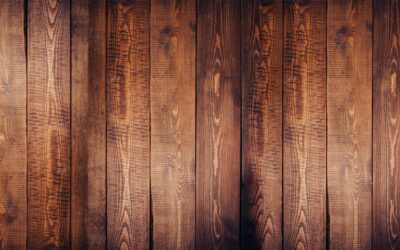
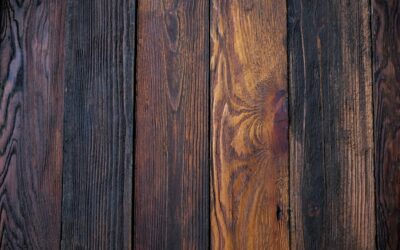
Natural white oak flooring is one of the most sought-after hardwood options in contemporary home design. Unlike stained oak that takes on an artificial color, natural white oak showcases the wood’s authentic grain, mineral streaks, and warm honey-to-straw tones straight from the tree. The result is a floor that feels organic, timeless, and effortlessly modern.
This guide covers everything you need to know about choosing, finishing, and maintaining natural white oak flooring — from grain characteristics and color variation to the oil-versus-polyurethane debate, aging behavior, top brands, and realistic pricing.
- What Is Natural White Oak Flooring?
- Grain Patterns and Character
- Color and Natural Variation
- Oil Finish vs Polyurethane Finish
- How Natural White Oak Ages
- Solid vs Engineered Natural White Oak
- Top Brands for Natural White Oak Flooring
- Pricing for Natural White Oak Flooring
- Installation Considerations
- Maintenance and Care
- Frequently Asked Questions
- Is natural white oak flooring more expensive than stained oak?
- Does natural white oak work with modern interior design?
- Can I put natural white oak in a kitchen or bathroom?
- How do I prevent my natural white oak from yellowing?
- What plank width looks best for natural white oak?
- Is white oak better than European oak?
- What is unfinished white oak flooring and why choose it?
- How do you keep white oak looking raw after finishing?
- Can red oak floors be refinished to look like natural white oak?
- Is white oak naturally resistant to water?
What Is Natural White Oak Flooring?
Natural white oak flooring refers to white oak hardwood that has been milled, finished, and installed without any pigmented stain. The floor’s color comes entirely from the wood itself and the clear or near-clear finish applied to protect it. While “natural” can sometimes describe a very light stain that mimics raw wood, purists use the term to mean zero added pigment — the wood speaks for itself.
White oak (Quercus alba) is native to eastern North America and has been used in flooring, furniture, and barrel-making for centuries. It differs from red oak in several important ways that make it the preferred species for a natural, unstained look:
- Tighter grain: White oak has a more uniform, less pronounced grain pattern than red oak, giving it a cleaner, more contemporary appearance.
- Closed pores: The cellular structure of white oak features tyloses — natural growths that block the pores — making it more water-resistant than red oak.
- Neutral undertone: White oak leans toward warm beige and golden tones, while red oak has pinkish-red undertones that many homeowners find dated.
- Janka hardness of 1,360: Slightly harder than red oak (1,290), providing excellent durability for residential use.
Grain Patterns and Character
The grain of natural white oak flooring varies significantly depending on how the lumber is cut. Understanding these cuts helps you choose the right look for your space.
Plain Sawn (Flat Sawn)
The most common and affordable cut. Plain-sawn white oak displays the classic cathedral or flame pattern created when the saw passes tangentially through the growth rings. This cut shows the most grain variation and visual movement. It is the default for most flooring products and works well in traditional and transitional spaces.
Rift Sawn
Rift-sawn white oak is cut at a 30- to 60-degree angle to the growth rings, producing a straight, linear grain with minimal cathedral patterning. This creates a more uniform, modern appearance. Rift-sawn boards also exhibit less expansion and contraction across their width, making them more dimensionally stable. However, rift sawing produces more waste, so it costs 20 to 40 percent more than plain sawn.
Quarter Sawn
Quarter-sawn white oak is cut perpendicular to the growth rings (60 to 90 degrees). This method reveals the medullary rays — shimmering, flake-like patterns unique to oak. These ray flecks give quarter-sawn white oak a distinctive character prized in Craftsman, Arts and Crafts, and mid-century modern interiors. Like rift sawn, quarter sawn offers superior dimensional stability.
Rift and Quarter Sawn (Mixed)
Many manufacturers sell a “rift and quarter” mix that includes boards from both cuts. This provides mostly straight grain with occasional ray fleck, at a price point between plain sawn and pure quarter sawn. It is one of the most popular choices for natural white oak flooring installations.
Live Sawn (Through Sawn)
Live sawing passes the log straight through the blade without turning, producing a mix of plain, rift, and quarter-sawn boards from a single log. This maximizes yield and creates beautiful variety within the floor — some boards show cathedral grain, others show ray fleck, and many show a combination. Live-sawn natural white oak has become extremely popular in farmhouse and European-inspired interiors.
Color and Natural Variation
Freshly milled white oak ranges from pale straw to light brown, with occasional olive or grayish undertones depending on the growing region, soil conditions, and specific tree. Sapwood (the outer rings) is lighter and almost white, while heartwood (the inner rings) has deeper golden and tan tones.
Most natural white oak flooring is graded to minimize sapwood for a more consistent look, though character-grade products intentionally include sapwood variation along with knots and mineral streaks for a rustic aesthetic.
Grading and Character
- Select and Better: Minimal knots, consistent color, tight grain. The cleanest, most uniform look.
- Number 1 Common: Some small knots, more color variation, and occasional mineral streaks. Adds warmth without looking rustic.
- Number 2 Common (Character Grade): Larger knots, significant color variation, sapwood inclusion, and mineral deposits. Popular for farmhouse and organic design styles.
For more on hardwood grading and species selection, visit our hardwood flooring guide.
Oil Finish vs Polyurethane Finish
The finish you choose has a dramatic impact on how your natural white oak flooring looks, feels, and ages. This is arguably the most important decision after selecting the wood itself.
Hardwax Oil Finish
Hardwax oil (brands like Rubio Monocoat, Osmo, and Pallmann) penetrates into the wood fibers rather than forming a film on top. The result is a matte, tactile surface that looks and feels like raw wood.
Advantages:
- Shows the natural texture and grain of white oak without plastic sheen
- Spot-repairable — you can fix scratches and worn areas without refinishing the entire floor
- Maintains a matte, European aesthetic that photographs beautifully
- Does not yellow over time the way oil-based polyurethane does
- Low VOC with most modern formulas
Disadvantages:
- Requires periodic maintenance coats (typically every 1 to 3 years depending on traffic)
- More susceptible to water staining if spills are not wiped up promptly
- Initial application is labor-intensive, adding to installation cost
- Not ideal for households with heavy pet traffic or young children who spill frequently
Water-Based Polyurethane
Water-based polyurethane (brands like Bona Traffic HD, Loba, and Basic Coatings) forms a clear protective film over the wood surface. Modern water-based polys dry crystal clear with minimal ambering.
Advantages:
- Excellent protection against scratches, stains, and moisture
- Does not require periodic maintenance coats — lasts 7 to 15 years before refinishing
- Dries clear, preserving the lightest possible version of the natural white oak color
- Low odor and fast drying during application
Disadvantages:
- Creates a slight surface sheen (even in matte formulations) that looks less “natural” than oil
- Cannot be spot-repaired — scratches through the finish require sanding and recoating the area
- Can show micro-scratches in high-traffic areas, especially in satin or semi-gloss sheens
Oil-Based Polyurethane
Oil-based polyurethane adds an amber tone to white oak that deepens over time. While some homeowners love this warm, traditional patina, most people choosing natural white oak specifically want to avoid yellowing. For this reason, oil-based poly is generally not recommended if your goal is to maintain the lightest, most natural look.
The Verdict
If you want the most authentic natural look and are willing to maintain it, go with hardwax oil. If you want durability and low maintenance while keeping the light color, choose water-based polyurethane. Most designers and flooring professionals recommend Bona Traffic HD or Rubio Monocoat as the top options in their respective categories.
How Natural White Oak Ages
All hardwood floors change color over time due to UV exposure, oxidation, and the finish used. Natural white oak is no exception, and understanding its aging characteristics helps set realistic expectations.
UV Exposure and Oxidation
White oak darkens and takes on richer golden tones when exposed to sunlight. Boards in direct sun will shift noticeably within the first 6 to 12 months. This is a natural and unavoidable process. Some homeowners embrace it; others take steps to slow it.
Strategies to Manage Color Change
- UV-inhibiting finish: Some water-based polyurethanes contain UV blockers that slow (but do not stop) ambering.
- Window treatments: UV-filtering blinds, curtains, or window film reduce direct sun exposure.
- Rug rotation: Move area rugs periodically so the floor ages uniformly rather than leaving lighter patches under furniture.
- Hardwax oil maintenance: Regular recoating with hardwax oil that contains UV inhibitors can slow the process.
Fuming (Smoking) White Oak
Some manufacturers and artisan floor companies offer fumed or smoked white oak, where the wood is exposed to ammonia fumes that react with the tannins to darken the color from within. This creates a rich, aged look without stain. Fumed natural white oak is popular in European and Scandinavian-inspired interiors and ages gracefully because the color comes from a chemical reaction throughout the wood, not just a surface treatment.
Solid vs Engineered Natural White Oak
Natural white oak flooring is available in both solid and engineered constructions. Each has distinct advantages depending on your installation conditions.
Solid White Oak
Milled from a single piece of wood, typically 3/4 inch thick. Solid white oak can be sanded and refinished multiple times over its lifespan, making it a true buy-it-for-life product. However, solid wood expands and contracts with humidity changes, so it must be nailed or stapled to a wood subfloor and is not recommended for below-grade installations or over concrete.
Engineered White Oak
Engineered natural white oak features a real white oak wear layer (typically 2 mm to 6 mm thick) bonded to a plywood or HDF core. The cross-layered construction provides superior dimensional stability, allowing installation over concrete, with radiant heat, and in basements. Thicker wear layers (4 mm and above) can be sanded and refinished 2 to 3 times. For a deeper look at this construction, see our engineered wood flooring guide.
Top Brands for Natural White Oak Flooring
Several manufacturers have built strong reputations for quality natural white oak flooring. Here are the most respected names in the market.
Premium and High-End
- Garrison Collection: California-based manufacturer known for European-inspired wide-plank engineered white oak with hardwax oil finishes. Their Du Bois collection is a standout.
- Hallmark Floors: Offers the Alta Vista and Organic collections featuring rift and quarter-sawn white oak in natural tones.
- Monarch Plank: Specializes in European white oak with hand-applied finishes, wire brushing, and natural color palettes.
- Carlisle Wide Plank Floors: Custom-milled solid and engineered white oak in widths up to 12 inches. Made to order in the United States.
Mid-Range
- Shaw Floors: The Expressions line offers natural white oak in engineered construction at competitive pricing. Widely available through retailers.
- Mannington: Latitude and Maison collections include natural white oak options with aluminum oxide-enhanced finishes.
- Bruce (by AHF Products): One of the most recognized hardwood brands in North America, offering solid and engineered natural white oak at accessible price points.
Budget-Friendly
- Somerset Hardwood Flooring: Appalachian-sourced white oak milled in Kentucky. Good quality at mid-to-budget pricing.
- Mullican Flooring: Another Appalachian producer offering solid and engineered white oak at competitive prices.
Pricing for Natural White Oak Flooring
Natural white oak flooring pricing varies widely based on construction, cut, width, finish, and brand. Here are current market ranges per square foot for materials only.
Solid Natural White Oak
- 2-1/4 inch strip, plain sawn: $4 to $7 per square foot
- 3 to 5 inch plank, plain sawn: $6 to $10 per square foot
- Rift and quarter sawn: $8 to $14 per square foot
- Wide plank (6 inches and above): $10 to $18 per square foot
Engineered Natural White Oak
- Standard width (5 to 7 inches): $5 to $12 per square foot
- Wide plank with hardwax oil: $8 to $16 per square foot
- Premium European-style (8+ inches, thick wear layer): $12 to $22 per square foot
Installation Cost
Professional installation adds $3 to $8 per square foot depending on method (nail-down, glue-down, or floating), subfloor preparation, and your location. Budget an additional $2 to $4 per square foot for site-finished floors where sanding and finishing are done after installation.
For a standard 1,000-square-foot installation, expect total costs (materials plus labor) to range from $8,000 for basic solid strip to $25,000 or more for premium wide-plank engineered with hardwax oil finish.
Installation Considerations
Installing natural white oak flooring requires attention to several factors that are unique to achieving the best natural look.
Acclimation
White oak must acclimate to your home’s temperature and humidity for a minimum of 3 to 5 days before installation. Engineered products are more forgiving, but solid white oak is especially sensitive to moisture content differences. Use a moisture meter to verify the wood is within 2 percent of the subfloor’s moisture content.
Board Layout
When installing natural (unstained) white oak, board selection and layout matter more than with stained floors because there is no pigment to mask color differences. Many installers will rack the boards first — laying them out dry across the room to check for color and grain consistency — before permanently installing them.
Site-Finished vs Pre-Finished
Site-finishing allows you to sand the floor perfectly flat (eliminating any micro-bevels between boards) and apply your chosen finish. This produces the cleanest, most seamless natural look but adds time and cost. Pre-finished natural white oak saves time and mess but will have slight bevels between boards. Many premium pre-finished products now offer micro-bevels that are barely noticeable.
Maintenance and Care
Maintaining natural white oak flooring depends largely on the finish type.
Daily Care (All Finishes)
- Sweep or vacuum with a hardwood-safe attachment to remove grit and debris
- Use felt pads under all furniture legs
- Wipe up spills immediately
- Maintain indoor humidity between 35 and 55 percent year-round
- Place mats at all exterior doorways
Hardwax Oil Floors
- Clean weekly with the manufacturer’s recommended cleaner (Rubio Monocoat Soap, Osmo Wash and Care, etc.)
- Apply a maintenance oil coat every 1 to 3 years depending on traffic
- Spot-repair scratches and worn areas as needed with the same oil product
Polyurethane Floors
- Clean weekly with a pH-neutral hardwood floor cleaner
- Avoid vinegar, ammonia, steam mops, and wet mopping
- Recoat (screen and recoat) every 5 to 10 years to refresh the finish before it wears through
Frequently Asked Questions
Is natural white oak flooring more expensive than stained oak?
The wood itself costs the same whether you stain it or leave it natural. However, achieving a beautiful natural look often requires higher-grade lumber (fewer defects, more consistent color), rift or quarter-sawn cuts, and premium clear finishes — all of which can increase the total cost compared to a basic stained floor.
Does natural white oak work with modern interior design?
Absolutely. Natural white oak is arguably the single most popular flooring choice in modern and contemporary design right now. Its clean, neutral palette complements white walls, minimalist furniture, and Scandinavian-inspired spaces perfectly.
Can I put natural white oak in a kitchen or bathroom?
White oak’s closed-pore structure makes it more water-resistant than other hardwoods, and it is commonly used in kitchens. Bathrooms are riskier due to sustained moisture exposure. If you want wood in a bathroom, engineered white oak with a quality finish and strict moisture management is the safest route. For wet areas, also consider waterproof flooring alternatives.
How do I prevent my natural white oak from yellowing?
Use a water-based polyurethane rather than oil-based poly. Minimize direct sunlight exposure with window treatments or UV film. If using hardwax oil, choose a product with UV inhibitors. Some ambering over time is natural and unavoidable with all finishes.
What plank width looks best for natural white oak?
Wide planks (5 inches and above) are the most popular choice for natural white oak because they show off the grain pattern and create a more expansive, modern look. Narrow strip flooring (2-1/4 inch) is less common with natural white oak but works well in traditional homes or smaller rooms where wide planks might feel overwhelming.
Is white oak better than European oak?
American white oak and European oak (Quercus robur and Quercus petraea) are closely related species with similar properties. European oak tends to have longer, straighter grain and is often available in longer plank lengths. Both are excellent choices. The difference often comes down to aesthetics and availability rather than performance.
What is unfinished white oak flooring and why choose it?
Unfinished white oak is raw flooring that is installed first and then sanded, sealed and topcoated on site. It costs a little less per board than prefinished, and site finishing sands the floor flat with no bevels, so it gives the cleanest natural look and full control over the sealer and sheen. The trade-off is several days of sanding, dust and drying time before the room can be used.
How do you keep white oak looking raw after finishing?
Use a raw-look or “natural” water-based sealer under a matte water-based topcoat, or a clear hardwax oil with no added color. Ordinary clear finishes wet the wood and deepen it toward gold, while raw-look sealers contain a slight white tint that offsets that darkening. Always test the full system on sanded offcuts first, because the same product reads differently on plain, rift and quarter sawn boards.
Can red oak floors be refinished to look like natural white oak?
Not fully. A clear or natural finish on red oak still shows its pinkish undertone and more open, pronounced grain, so it reads warmer than white oak. Refinishers can reduce the pink with a light neutral or grayish stain, which gets closer to the look, but the grain pattern and pores remain red oak. For a true natural white oak floor, the wood itself has to be white oak.
Is white oak naturally resistant to water?
Partly. White oak’s tyloses block its pores, so it resists water better than red oak and many other hardwoods, which is why it is used for barrels. It is not waterproof, though, and standing water, wet mopping or leaks will still stain, cup or swell the boards. A good finish and prompt cleanup are what keep a white oak floor protected.
Prefer to explore on your own?
See how new flooring looks in your actual room in seconds — free, no signup.
Try the free Floor Studio →