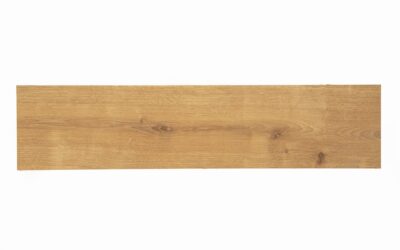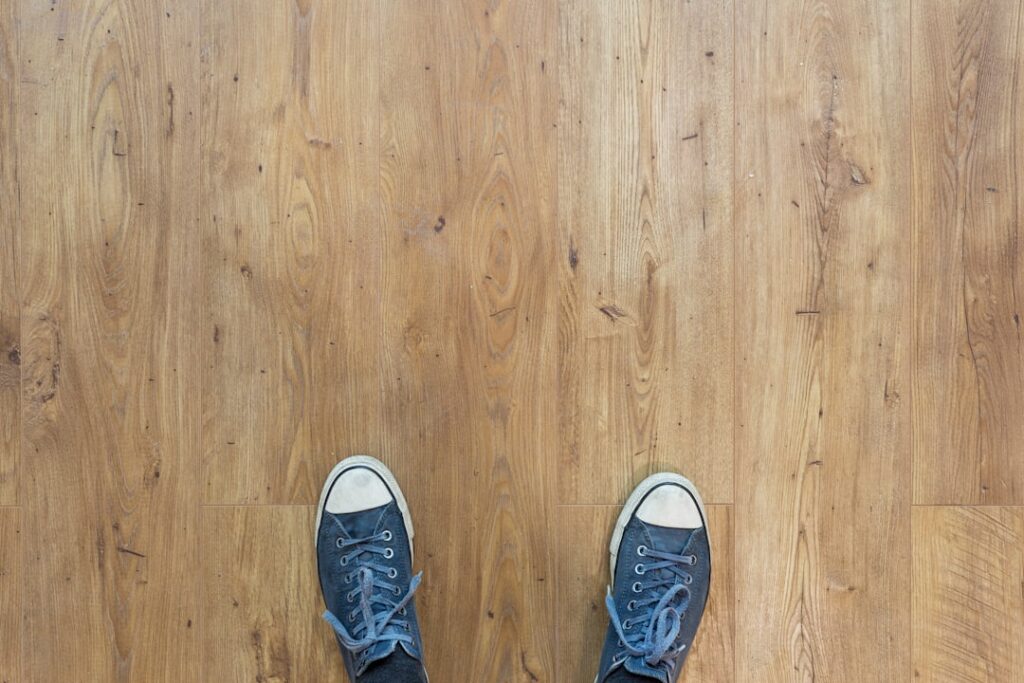
The honey-amber tones of warm oak sit in a sweet spot that flatters almost every wall color and furniture style. Cool greys made it look dated for a few years, but the cycle has rotated back — warm woods are the dominant trend in 2025-2026 design publications. Harvest oak flooring refers to a specific color family within red and white oak finishes that delivers golden-honey warmth without the orange tint that plagued older builder-grade oak. Here’s how to buy a harvest oak floor that ages gracefully rather than yellowing badly.
What Defines a Harvest Oak Color
Harvest oak typically describes a stained or sealed finish in the medium-warm range — color values roughly between LRV (light reflectance value) 30-45, with hue dominated by golden yellow and amber rather than red or orange. The Pantone equivalents would land around 7508-7565 (warm honey to caramel).
Manufacturers use various proprietary names for this color family. Mannington calls it Harvest or Honey, Bruce uses Natural and Gunstock, Shaw and Mohawk apply terms like Sunset, Caramel, and Spice. The actual tone varies slightly between brands and between red oak (slightly pinker base) and white oak (more neutral base), so cross-reference physical samples in your space rather than trusting screen colors.
Pricing by Construction and Source
Harvest oak comes in solid, engineered, and laminate or LVP look-alike formats. 2026 material-only pricing:
- Solid red oak 3/4 inch, prefinished harvest stain: $5-$8 per sq ft
- Solid white oak 3/4 inch, prefinished harvest stain: $7-$10 per sq ft
- Engineered oak 5/8 inch, 3mm wear layer: $6-$10 per sq ft
- Engineered oak 5/8 inch, 6mm sawn wear layer: $9-$14 per sq ft
- LVP or laminate harvest oak décor: $2-$5 per sq ft
Installation adds $3-$8 per sq ft depending on method. A finished engineered harvest oak floor lands at $10-$22 per sq ft — premium territory in the engineered category, justified by the universally flattering color story.
Red Oak vs White Oak Base
The species under the harvest stain matters more than most buyers realize. Red oak (Janka 1290) has a pinker undertone and a more prominent open grain. White oak (Janka 1360) has a tighter, more uniform grain with neutral undertone, and the cells are tyloses-blocked, making it more water-resistant.
For harvest tones, white oak generally delivers a cleaner result. The neutral base lets the amber stain read as pure honey rather than pink-amber. Red oak under harvest stain can shift toward salmon in low light, especially with red oak from older lots. Specify white oak whenever the budget allows.
Finish Options and Sheen
The sheen level dramatically changes the appearance of harvest oak. Matte and low-sheen finishes (5-20 gloss units) read modern and hide imperfections; semi-gloss and gloss (40-70 GU) read traditional and broadcast every footprint and pet hair.
For 2025-2026 design sensibilities, the right choice is almost always matte or ultra-matte. Brands like Bona Traffic HD in matte sheen for site-finished floors, or factory UV-cured matte aluminum-oxide finishes from Lauzon, Mirage, and Mannington for prefinished products, deliver the contemporary harvest oak look. Hardwax oils from Rubio Monocoat in Pure or Cotton White add cerused warmth for designer-grade installations at premium pricing.
How Harvest Oak Ages
All oak floors shift color over time as UV exposure oxidizes the natural tannins and the finish topcoat. White oak ambers slightly within 5-10 years, deepening toward caramel. Red oak shifts further, sometimes adding orange undertones that homeowners didn’t sign up for. UV-blocking window film and rotating area rugs every six months minimizes the change.
Reactive stains and tannin-pulled finishes age differently from pigment stains. Bona Craft Oil 2K and Rubio Monocoat pre-color systems penetrate the wood and shift with the oak as it ages, maintaining color depth. Surface pigment stains can fade in direct sun within 7-12 years and require refinishing to restore the harvest tone.
Where Harvest Oak Shines
Warm wood tones work especially well in:
- Open-plan kitchens and great rooms — the honey color flatters white, sage green, navy, and warm grey cabinetry
- Traditional and transitional homes where character matters
- Homes with significant natural light where warm tones glow
- Spaces with stone fireplaces, brick accents, or copper hardware
- North-facing rooms that need warming up
The color is famously forgiving with wall paint. Sherwin-Williams Alabaster, Benjamin Moore Simply White, deep blues like Hale Navy, sage greens like Saybrook Sage, and warm whites all read well over harvest oak.
Where to Skip Harvest Oak
Ultra-modern and Scandinavian-minimalist interiors usually want lighter floors (white-washed oak, pale ash, light bamboo). Cool grey design schemes clash with harvest’s warmth. South-facing rooms with intense afternoon sun can read overheated when paired with golden-amber floors.
If the rest of the home runs cool-tone, picking harvest oak for one room creates a transition problem. Sample the floor in the actual room at multiple times of day before committing — morning, midday, and evening light shift the color perception dramatically.
Installation Considerations
Solid 3/4-inch harvest oak nails down over plywood subfloors with 1-3/4 inch cleat or staple nails every 6-8 inches. Engineered 5/8-inch harvest oak floats with click-lock joints, glues down with urethane adhesive like Bostik’s Best, or nails down on suitable subfloors.
Acclimate the boards in the room for 3-5 days before installation. Target 30-50% relative humidity and 60-80 degrees F. Concrete subfloors require ASTM F2170 RH probe testing — readings above 75% trigger moisture mitigation primer like Bona R590 or Bostik MVP-2K. Skip these steps and the floor will cup, gap, or check within the first heating season.
Maintenance Routine That Preserves the Color
Harvest oak shows dust and footprints less than darker stains but more than mid-tones. The maintenance routine is straightforward: vacuum or sweep weekly with a soft-brush attachment, damp-mop monthly with Bona Pro Series Hardwood Floor Cleaner, never use water buckets or steam mops, and rotate area rugs and furniture every 6-12 months to prevent UV-shadow patterns.
Recoat with a fresh urethane topcoat every 5-10 years on prefinished floors and every 3-7 years on hardwax oil floors. Done right, a quality harvest oak floor lasts 30-50 years before refinishing becomes necessary, and the natural color story improves rather than degrades over time.
Prefer to explore on your own?
See how new flooring looks in your actual room in seconds — free, no signup.
Try the free Floor Studio →