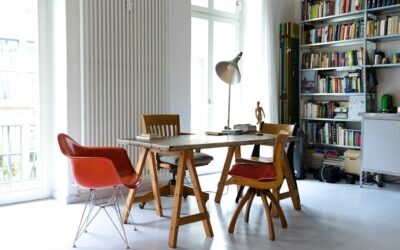
The shift from dark walnut and espresso floors to lighter, airier tones has been one of the strongest design moves of the past decade, and pale oak sits at the center of it. Pale oak flooring brightens rooms, photographs beautifully on social media, and pairs effortlessly with the cooler-toned, minimalist interior styles that dominate Scandinavian and contemporary American design. The catch is that getting pale oak right is harder than it looks. The wrong shade can read pink, the wrong finish can yellow within two years, and the wrong species can show every speck of dirt. Understanding what’s actually for sale and how each option performs separates a beautiful, lasting floor from an expensive disappointment.
What Makes Oak Pale
Oak doesn’t naturally come in pale tones. Both red oak and white oak start with warm honey-to-amber natural color. Pale oak flooring achieves its lighter look through one of three processes: white-washing (a thin white pigment stain that lets grain show through), liming (a paste that fills open grain and dries white), or bleaching (a chemical process that lightens the wood itself before staining or sealing).
White oak is the dominant species for pale finishes because its tighter grain and less prominent reddish undertones produce a cleaner result. Red oak can also be pale-finished but the red undertones often telegraph through, giving the floor a slight pink cast that some homeowners dislike.
Color Options Within Pale Oak
Pale oak ranges from creamy off-white to soft beige to nearly bare-wood blonde. Designers often categorize the options as: bone (very pale, almost white), driftwood (gray-tinted pale), greige (gray-beige hybrid), natural (clear-finished raw oak), and limed (whitewashed grain on a slightly darker base).
- Bone/white-washed: Lightest, brightest, shows dirt most
- Driftwood: Cool gray undertones, pairs with modern decor
- Greige: Warm-cool blend, hides dirt better
- Natural: Clear-coat over raw oak, ages slightly amber
- Limed: White grain fill, dramatic visual texture
Sample multiple options at home before deciding. Pale finishes shift dramatically under different lighting; what reads as bone-white in the showroom can look distinctly cream or pink in your living room.
Solid vs Engineered Pale Oak
Solid pale oak comes pre-finished from manufacturers like Mirage, Bruce, and Mullican, or it can be site-finished after installation by sanding and staining a raw oak floor. Pre-finished is more durable (factory finishes use aluminum oxide additives that exceed site-applied polyurethane in scratch resistance) but limits color choices to the manufacturer’s options. Site-finished allows custom color matching but requires skilled execution and adds 5 to 7 days of dust and fumes to the project.
Engineered pale oak with a 2mm to 4mm white oak veneer over a stable core works in basements, over concrete slabs, and with radiant heat where solid hardwood fails. The pale finish on engineered planks is usually pre-applied at the factory, so visual quality is consistent across the run.
Pricing Reality
Pale oak flooring runs $5 to $14 per sq ft for materials. Premium European white oak with hand-applied wire-brushed and limed finishes hits $12 to $20 per sq ft. Engineered pale oak sits at $6 to $14 per sq ft for quality products. Site-finished pale oak adds $3 to $6 per sq ft for sanding, stain application, and three coats of polyurethane on top of the raw flooring cost.
Installation runs $4 to $8 per sq ft for nail-down or glue-down. A 400 sq ft living room totals $4,800 to $9,200 for mid-grade engineered pale oak fully installed.
Pros That Make Pale Oak Worth It
Pale oak flooring opens up rooms visually. The high light reflectance (around 60% to 75% versus 30% for medium-stained oak) makes north-facing rooms brighter, ceilings appear higher, and small spaces feel larger. The neutral color pairs with virtually any wall paint, furniture, or accent piece, giving you decorating flexibility for years.
Resale value holds up well in markets that favor contemporary aesthetics. Real estate listings with pale oak floors photograph beautifully and often sell faster than identical homes with darker floors, especially in coastal and urban markets.
Cons to Plan Around
Pale floors show dirt. Dust, pet hair, footprints, and crumbs all stand out against a light surface in a way they don’t on medium or dark wood. Plan to sweep or microfiber-mop every other day in busy households. Light scratches in a clear-coated raw oak floor are less visible than scratches in a stained or whitewashed finish, where the scratch exposes darker wood beneath the white pigment.
Yellowing is the long-term enemy of pale oak. Oil-based polyurethane finishes amber significantly within 3 to 5 years, turning a pale floor distinctly yellow. Water-based polyurethane and UV-stable oil finishes resist yellowing but cost $0.75 to $2 more per sq ft. Don’t economize on the finish if pale color is the entire point of the project.
Best Brands and Lines
European white oak from companies like Stuga, Hakwood, Listone Giordano, and Bjelin sets the high-end benchmark for pale oak. Hand-applied lye-and-soap finishes deliver a beautiful matte pale tone that looks naturally aged from day one, running $14 to $25 per sq ft.
For mid-range pale oak, Mirage’s “Snow,” “Cape Cod,” and “Pearl” colorways are reliable choices at $7 to $11 per sq ft. Anderson Tuftex, DuChateau, and Hallmark all offer extensive pale oak lines in solid and engineered formats. Big-box options from Bruce, Mohawk, and Shaw cover the budget end at $4 to $7 per sq ft.
Installation Tips That Matter
Pale oak shows installation imperfections more than darker floors. Tight, even joints matter; a 1/16-inch gap that reads as fine on dark walnut becomes a visible line on pale oak. Use a quality pneumatic nailer with the right cleat size and pre-load each plank carefully against the previous row.
For site-finished pale oak, sand to a finer grit than typical (180 grit final pass instead of 120) for a smoother surface that better receives white-washing or liming. Apply stain in thin, controlled coats; overworking pale stain produces blotching that’s nearly impossible to fix without resanding.
Care That Preserves the Color
Sweep or vacuum (with hardwood-safe brush head) daily. Damp microfiber mop weekly with a pH-neutral hardwood cleaner. Avoid vinegar, ammonia, and steam mops, all of which break down the protective finish faster on pale oak than on darker stains. Use felt pads under all furniture and rotate area rugs every six months to even out UV exposure; pale oak under direct sun fades unevenly without rotation. Recoat the polyurethane every 5 to 8 years before scratches reach bare wood. Done right, pale oak flooring stays beautiful for 30 to 50 years and can be refinished and recolored entirely if design preferences shift.
Prefer to explore on your own?
See how new flooring looks in your actual room in seconds — free, no signup.
Try the free Floor Studio →