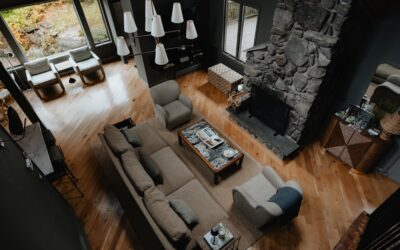
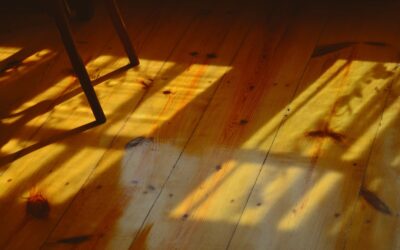
Few names carry as much history in American wood floors as Bruce. If you have walked through a mid-priced new home, a rental, or your grandparents’ house in the last several decades, there is a good chance you were standing on it. Bruce prefinished hardwood flooring built its reputation on accessible, widely stocked solid oak strip that a homeowner could buy at a big-box store and a pro could install in an afternoon, and that value-focused identity still defines the brand today under AHF Products, the long-established manufacturer that now owns it.
This guide is a working pro’s honest look at what Bruce offers, who it suits, and where you should spend up or look elsewhere. I will keep the product descriptions general and evergreen, because Bruce refreshes its collections regularly, but the categories, finishes, and buying logic below hold steady from year to year.
Who Bruce Is and Where It Fits
Bruce is one of the oldest continuously sold hardwood brands in the United States, and it has always aimed at the practical middle of the market rather than the boutique high end. That positioning matters when you shop it: you are not buying rare wide-plank European oak, you are buying dependable, mass-produced American hardwood that is easy to find, easy to match, and priced for real budgets.
Because it is stocked at national home centers and countless local flooring dealers, availability is a genuine advantage. If you damage a few boards two years from now, you have a real shot at buying more of the same product, which is not always true with smaller specialty brands. For landlords, flippers, and homeowners who value that kind of reliability over exclusivity, Bruce earns its long-standing popularity.
The flip side is that this is not a luxury statement floor. The looks are attractive and conventional, the plank widths lean traditional, and the character is more “handsome standard” than “showpiece.” Set your expectations there and Bruce almost always delivers what it promises.
Solid Oak Strip: The Core Product
The heart of the Bruce line has always been solid 3/4 inch oak strip flooring, typically in the classic 2-1/4 inch width along with some wider solid options. This is real, single-piece hardwood in red oak and white oak, tongue-and-groove milled for nail-down installation over a wood subfloor. It is the product that made the brand, and it remains a sound choice for above-grade rooms.
The great benefit of full-thickness solid strip is refinishability. With roughly 3/4 inch of wood and a healthy layer above the tongue, these floors can be sanded and recoated multiple times across their life, so a scratched or dated floor can be brought back rather than replaced. That longevity is what separates genuine solid hardwood from the thinner engineered and laminate products it competes with on price.
Prefinished solid strip comes from the factory already stained and topcoated, so there is no sanding, staining, or finishing mess on site — you nail it down and the room is usable immediately. The tradeoff is the small beveled or eased edge between boards that all prefinished flooring has, versus the perfectly flat surface of a site-finished floor. For most homeowners that micro-bevel is a fair trade for skipping days of dust and fumes.
Engineered Hardwood Lines
Alongside the solid strip, Bruce offers engineered hardwood: a real hardwood veneer bonded over a multi-ply or composite core. Engineered construction resists the seasonal expansion and contraction that troubles solid wood, which makes these lines the right pick for concrete slabs, basements, and other below- or on-grade spaces where solid strip should not go.
Engineered Bruce floors come in a wider range of looks than the traditional solid strip, including wider planks and more contemporary colors and textures, and many are designed for floating or glue-down installation in addition to nailing. That installation flexibility is a real plus for DIYers working over concrete, where a floating click-together floor sidesteps the need for a nailer and a wood subfloor entirely.
Keep an eye on the wear-layer thickness when you compare engineered options, because it dictates whether the floor can ever be refinished. Thicker veneers may allow a light sanding down the road, while the thinnest ones are essentially one-and-done and should be treated as replace-not-refinish products. This is the single most useful spec to check before you buy any engineered floor, Bruce or otherwise.
Prefinished Urethane and Aluminum-Oxide Finishes
The factory finish is where prefinished flooring lives or dies, and Bruce uses the industry-standard approach: multiple coats of urethane fortified with aluminum oxide, cured under UV light in the factory. Aluminum oxide is one of the hardest coatings available for wood floors, and it gives these products strong resistance to everyday scuffs, scratches, and traffic wear straight out of the box.
A factory-cured finish like this is genuinely tougher than what most site-applied finishes achieve, because the controlled UV curing and hardened additives are hard to replicate with a brush and a bucket on a job site. In practical terms it means a Bruce prefinished floor shrugs off a busy family’s first years better than a freshly site-finished floor that is still curing to full hardness for weeks.
Finish looks span the usual spectrum from low-sheen matte to satin and semi-gloss, in stain colors from pale naturals through mid browns to deep espressos and grayed tones. Lower-sheen finishes are the smarter everyday choice in my experience because they hide fine scratches, dust, and footprints far better than glossy finishes, which telegraph every scuff under raking light.
Understanding the Warranties
Bruce backs its floors with the kind of tiered residential warranties common across the industry, typically covering the structural integrity of the wood and the finish wear for a defined number of years under normal residential use. Solid and engineered products usually carry different terms, and the exact figures shift by collection, so always read the specific warranty card for the product you are buying rather than assuming.
What matters more than the headline number is the fine print. Finish-wear warranties generally require that the floor is properly installed, maintained per the manufacturer’s instructions, and not damaged by moisture, improper cleaning products, or neglect. A warranty is not a substitute for correct installation and reasonable care, and claims hinge on you having followed the acclimation, subfloor, and maintenance guidelines.
My advice is to keep your purchase receipt, note the lot numbers, and save the installation and care instructions somewhere you can find them. That paper trail is what turns a warranty from marketing language into something you can actually act on if a real defect surfaces down the road.
It is also worth remembering that most residential warranties do not transfer cleanly to a new owner and often exclude commercial or rental use, so read those clauses if the floor is going into an income property. And note that day-to-day care products matter: harsh cleaners, steam mops, and standing water can void finish coverage on any wood floor, so stick to a hardwood-specific cleaner and a barely damp mop to keep both the floor and the warranty intact.
Cost and Value
Bruce sits squarely in the value tier, which is exactly the point. Prefinished solid oak strip commonly lands in the rough range of $3 to $6 per square foot for materials, with engineered lines overlapping and sometimes running a bit higher for wider or more textured looks. Because pricing changes with collection and retailer, treat those as ballpark figures and confirm current numbers where you shop.
Installation adds to that, of course. A nail-down solid floor typically runs $3 to $6 per square foot in labor, while a floating engineered floor over concrete can be cheaper to install and is realistic for a confident DIYer. All in, a Bruce floor is one of the more affordable ways to get genuine hardwood underfoot rather than a wood-look laminate or vinyl.
The value proposition is straightforward: real, refinishable hardwood with a tough factory finish, wide availability, and easy matching, at a price that undercuts boutique brands. It will not turn heads like a designer wide-plank floor, but for durable, honest hardwood that does its job for decades, Bruce remains a sensible buy.
Should You Buy Bruce?
If your priorities are dependable real hardwood, broad availability, a durable prefinished surface, and a friendly price, Bruce prefinished hardwood flooring is an easy recommendation and has been for a long time. It shines for whole-house installs in traditional homes, rental and resale projects where matching and cost matter, and DIYers who want a floor they can source anywhere.
Look elsewhere if you are after wide, rustic European oak, hand-scraped artisan character, or the very thickest engineered wear layers — that is a different, pricier segment of the market. But judged against what it sets out to do, deliver solid, good-looking, affordable hardwood at scale, Bruce continues to be one of the safest choices a homeowner can make. Match the product line to your subfloor and grade, respect the installation and care instructions, and you will get a floor that quietly earns its keep for many years.
Prefer to explore on your own?
See how new flooring looks in your actual room in seconds — free, no signup.
Try the free Floor Studio →