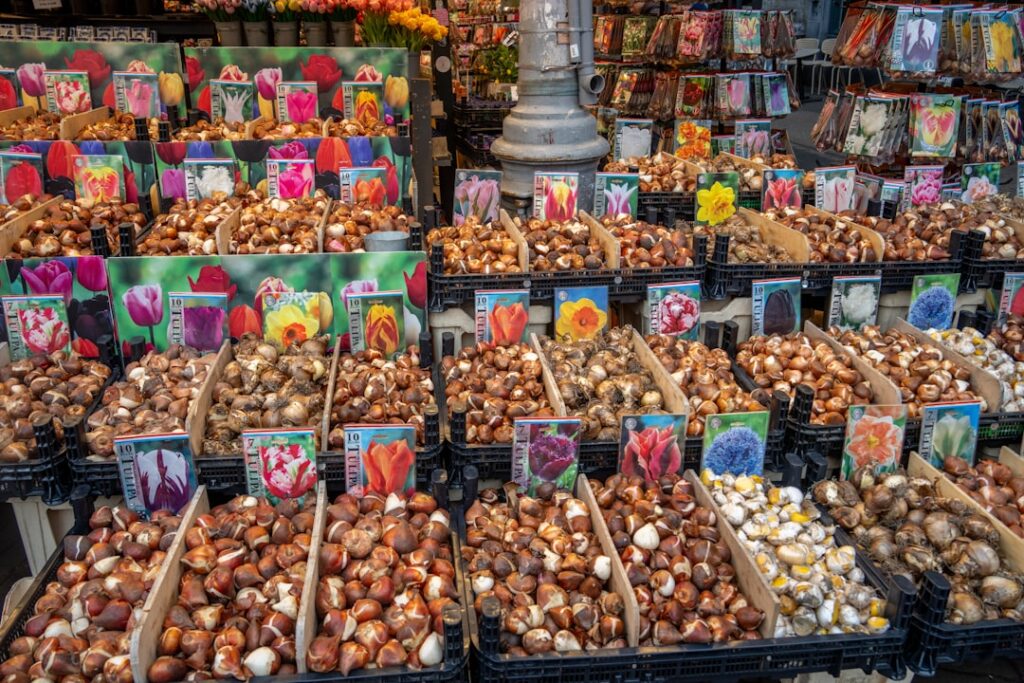
Choosing the right bulbs to plant in spring is the secret to having a garden overflowing with color from midsummer through fall. Unlike fall-planted bulbs (like tulips and daffodils) that bloom in spring, spring-planted bulbs are tender varieties that need warm soil to thrive and reward you with spectacular flowers during the warmest months.
- When to Plant Spring Bulbs
- 15 Best Bulbs to Plant in Spring
- 1. Dahlias
- 2. Gladiolus
- 3. Cannas
- 4. Lilies (Asiatic & Oriental)
- 5. Begonias (Tuberous)
- 6. Caladiums
- 7. Elephant Ears (Colocasia & Alocasia)
- 8. Ranunculus
- 9. Crocosmia
- 10. Freesia
- 11. Anemones
- 12. Eucomis (Pineapple Lily)
- 13. Acidanthera (Peacock Orchid)
- 14. Oxalis (Shamrock)
- 15. Tuberose
- Planting Depth & Spacing Chart
- How to Plant Spring Bulbs: Step-by-Step
- Step 1: Prepare the Soil
- Step 2: Test & Amend
- Step 3: Plant at the Right Depth
- Step 4: Water Thoroughly
- Step 5: Mulch
- Care & Maintenance Tips
- Growing Spring-Planted Bulbs in Containers
- Frequently Asked Questions
Whether you have expansive garden beds or just a few patio containers, this guide covers the 15 best spring-planted bulbs, exact planting instructions, and care tips to ensure a stunning display all season long.
When to Plant Spring Bulbs
Spring-planted bulbs should go into the ground after the last frost date for your area, once soil temperatures consistently reach 60°F (15°C) or higher. Here’s a general timeline by region:
| Region | USDA Zones | Planting Window |
|---|---|---|
| Deep South & Gulf Coast | 8–10 | Late February – March |
| Mid-South & Mid-Atlantic | 6–7 | April – early May |
| Midwest & Northeast | 4–5 | May – early June |
| Pacific Northwest | 7–8 | March – April |
| Mountain West | 3–5 | Late May – June |
Pro tip: Start tender bulbs like dahlias and cannas indoors in pots 4–6 weeks before your last frost date, then transplant outdoors once conditions are warm. This gives you a head start on blooms.
15 Best Bulbs to Plant in Spring
1. Dahlias
The undisputed queen of summer bulbs. Dahlias produce stunning flowers ranging from 2-inch pom-poms to 12-inch dinner-plate blooms in virtually every color except blue. They bloom from midsummer through the first frost and make exceptional cut flowers.
2. Gladiolus
Gladiolus produce tall, dramatic spikes of flowers that are spectacular in borders and cutting gardens. Plant corms every two weeks from spring through early summer for continuous blooms. They come in every color imaginable and grow 2–5 feet tall.
3. Cannas
Cannas bring tropical flair with large, banana-like leaves and bold flowers in red, orange, yellow, and pink. They thrive in heat and humidity, growing 3–8 feet tall depending on the variety. The foliage alone makes them worth growing — some varieties have stunning burgundy or striped leaves.
4. Lilies (Asiatic & Oriental)
While some lilies are fall-planted, Asiatic and Oriental lily bulbs are often available for spring planting. Asiatic lilies bloom first (June–July) with upward-facing flowers, while Oriental lilies follow (July–August) with intensely fragrant, outward-facing blooms.
5. Begonias (Tuberous)
Tuberous begonias produce lush, rose-like flowers in brilliant colors and thrive in partial shade — making them perfect for spots where other sun-loving bulbs won’t perform. They’re outstanding in containers, hanging baskets, and shaded garden borders.
6. Caladiums
Grown for their spectacularly patterned foliage rather than flowers, caladiums add vibrant color to shaded areas. Heart-shaped or lance-shaped leaves come in combinations of green, white, pink, and red. They need warm soil (70°F+) and consistent moisture.
7. Elephant Ears (Colocasia & Alocasia)
These tropical giants produce enormous, dramatic leaves that instantly transform any garden into a lush paradise. Some varieties reach 6 feet tall with leaves spanning 3 feet. They love moisture and make striking statement plants near water features or as focal points.
8. Ranunculus
Ranunculus produce paper-thin, layered petals that create some of the most beautiful flowers in the garden. Popular in wedding bouquets, they bloom in spring and early summer in warm climates. In cooler zones, spring-planted corms bloom by midsummer.
9. Crocosmia
Crocosmia (also called montbretia) produces arching sprays of fiery red, orange, and yellow tubular flowers that hummingbirds love. The sword-like foliage provides structure even before blooming. ‘Lucifer’ is the most popular variety with brilliant scarlet flowers.
10. Freesia
Prized for their intoxicating fragrance, freesias produce clusters of funnel-shaped flowers on arching stems. They’re available in white, yellow, pink, red, and purple. Freesias prefer cool nights and moderate temperatures, making them ideal for spring planting in most regions.
11. Anemones
Anemone de Caen and St. Brigid varieties produce charming poppy-like flowers that are extremely popular in cutting gardens. Soak the small, hard corms in water overnight before planting. They bloom about 3 months after planting.
12. Eucomis (Pineapple Lily)
This unusual bulb produces a rosette of star-shaped flowers topped with a tuft of leaves that resembles a pineapple. It’s a fantastic conversation piece and blooms from mid to late summer. Hardy in zones 7–10, it can be overwintered indoors in colder regions.
13. Acidanthera (Peacock Orchid)
Related to gladiolus, acidanthera produces fragrant, star-shaped white flowers with a dramatic dark purple center. They bloom in late summer and are wonderful in evening gardens due to their sweet scent. Plant in clusters for the best visual and aromatic impact.
14. Oxalis (Shamrock)
Ornamental oxalis varieties produce clover-like foliage in striking purple, burgundy, or chartreuse shades topped with delicate flowers. They’re excellent in containers and as edging plants. Many varieties bloom from late spring through fall.
15. Tuberose
Tuberose is grown primarily for its incredibly powerful, sweet fragrance. The waxy white flowers bloom on tall spikes in late summer and are popular in perfumery. They require a long, warm growing season — start indoors in northern zones for best results.
Planting Depth & Spacing Chart
| Bulb/Tuber | Planting Depth | Spacing | Sun Needs | Bloom Time |
|---|---|---|---|---|
| Dahlia | 4–6 inches | 18–24 inches | Full sun | July–October |
| Gladiolus | 4–6 inches | 6–8 inches | Full sun | July–September |
| Canna | 4–6 inches | 18–24 inches | Full sun | July–October |
| Lily | 6–8 inches | 8–12 inches | Full to partial sun | June–August |
| Tuberous begonia | 1–2 inches | 8–12 inches | Partial shade | June–October |
| Caladium | 2 inches | 8–12 inches | Partial to full shade | Foliage: May–October |
| Elephant ear | 4–6 inches | 24–36 inches | Partial sun to shade | Foliage: June–October |
| Ranunculus | 2 inches | 4–6 inches | Full sun | June–July |
| Crocosmia | 3–5 inches | 6–8 inches | Full sun | July–September |
| Freesia | 2 inches | 3–4 inches | Full sun | July–August |
| Anemone | 2–3 inches | 4–6 inches | Full to partial sun | June–August |
| Eucomis | 4–6 inches | 10–12 inches | Full to partial sun | July–September |
| Acidanthera | 4–6 inches | 6–8 inches | Full sun | August–September |
| Oxalis | 1–2 inches | 4–6 inches | Partial sun | May–October |
| Tuberose | 2–3 inches | 6–8 inches | Full sun | August–October |
How to Plant Spring Bulbs: Step-by-Step
Step 1: Prepare the Soil
Work the soil to a depth of 12 inches, breaking up clumps and removing rocks. Mix in 2–3 inches of compost to improve drainage and fertility. Most spring-planted bulbs prefer well-draining soil — they’ll rot in soggy conditions.
Step 2: Test & Amend
Most bulbs prefer a slightly acidic to neutral pH (6.0–7.0). If your soil is highly alkaline, amend with sulfur. Mix in a slow-release bulb fertilizer or bone meal at the time of planting.
Step 3: Plant at the Right Depth
Follow the depth chart above. A general rule is to plant bulbs 2–3 times as deep as they are tall. Place them with the pointed end up (if there is one). For tubers without an obvious top, plant sideways — they’ll figure it out.
Step 4: Water Thoroughly
Give newly planted bulbs a deep watering to settle the soil around them and initiate root growth. After that, water when the top inch of soil dries out. Avoid overwatering, which causes rot.
Step 5: Mulch
Apply 2–3 inches of organic mulch (shredded bark, straw, or compost) around the planting area. Mulch retains moisture, regulates soil temperature, and suppresses weeds like dollarweed that compete with your bulbs.
Care & Maintenance Tips
- Fertilize monthly during the growing season with a balanced liquid fertilizer (10-10-10) or a bloom-boosting formula higher in phosphorus (5-10-10).
- Stake tall varieties. Dahlias, gladiolus, and tall cannas benefit from staking to prevent wind damage. Install stakes at planting time to avoid damaging roots later.
- Deadhead regularly. Removing spent flowers redirects energy to producing more blooms and prevents the plant from going to seed prematurely.
- Watch for pests. Aphids, slugs, and spider mites are common bulb pests. Treat infestations early with insecticidal soap or neem oil.
- Dig and store tender bulbs after the first frost in cold-winter regions (zones 3–7). Let tubers dry for a few days, brush off soil, and store in peat moss in a cool (40–50°F), dark location over winter.
Growing Spring-Planted Bulbs in Containers
Nearly all spring-planted bulbs grow beautifully in containers, making them perfect for patios, balconies, and porches. Here’s how to succeed:
- Container size: Use pots at least 12 inches deep and wide for most bulbs. Dahlias and cannas need 18+ inch containers.
- Drainage: Ensure containers have drainage holes. Use a quality potting mix (never garden soil) for proper drainage and aeration.
- Watering: Containers dry out faster than garden beds. Check soil moisture daily in hot weather and water when the top inch is dry.
- Feeding: Container-grown bulbs need more frequent fertilizing since nutrients wash out with watering. Feed every 2 weeks with liquid fertilizer.
- Best container varieties: Tuberous begonias, caladiums, oxalis, and compact dahlia varieties are especially well-suited to container growing.
When arranging containers on your porch or patio, consider how they’ll look against your outdoor tile flooring or decking. Earth-toned containers complement stone and tile surfaces beautifully.
Frequently Asked Questions
Can I plant spring bulbs in summer?
Most spring-planted bulbs can still be planted in early summer, though they’ll bloom later than spring-planted ones. Gladiolus, in particular, can be planted every 2 weeks through early July for staggered blooms into fall. Avoid planting after midsummer, as bulbs won’t have enough growing time to bloom before frost.
Do I need to dig up bulbs every year?
It depends on your climate and the bulb type. In zones 8–10, most tender bulbs can stay in the ground year-round. In zones 3–7, dig up dahlias, cannas, gladiolus, and other tender bulbs after the first frost and store them indoors over winter. Hardy lilies and crocosmia can stay in the ground in zones 5+.
Why didn’t my spring-planted bulbs bloom?
Common reasons include: planting too late in the season, insufficient sunlight, bulbs planted too shallow or too deep, poor soil drainage causing rot, or bulbs that were already dead or dried out at the time of planting. Always buy plump, firm bulbs from reputable sources.
What’s the difference between bulbs, tubers, corms, and rhizomes?
These are all underground storage organs, but they differ structurally. True bulbs (lilies) have layered scales like an onion. Tubers (dahlias, begonias) are solid, swollen stem segments. Corms (gladiolus, freesia) are solid, flattened bases. Rhizomes (cannas, some irises) are horizontal underground stems. All are commonly called “bulbs” for simplicity.
How do I store bulbs over winter?
After the first frost kills the foliage, dig up tender bulbs carefully. Rinse off soil and let them dry in a warm, airy spot for 2–3 days. Pack them in slightly damp peat moss, vermiculite, or wood shavings. Store in a dark location at 40–50°F (a garage, basement, or spare refrigerator works well). Check monthly for rot or drying and remove any affected bulbs.
Can I grow spring-planted bulbs indoors?
Yes, many spring-planted bulbs make excellent houseplants. Caladiums, oxalis, and tuberous begonias all thrive indoors with bright indirect light. Use containers with drainage, maintain consistent moisture, and feed regularly. They won’t go dormant indoors if conditions stay warm.
Last updated: March 2026