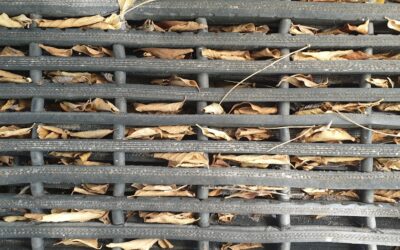
If you are tired of hauling a ladder out twice a year to scoop rotting leaves from your gutters, bulldog gutter guards and similar micro-mesh systems promise to end the chore for good. Gutter guards have gone from a novelty to a mainstream home upgrade, and the category now spans everything from cheap plastic screens to professionally installed stainless micro-mesh. This guide explains how these guards work, what they realistically cost, where they excel, and the trade-offs to weigh before you commit to covering your gutters.
Part of our Roofing guide — explore the full guide →
- What Gutter Guards Actually Do
- Types of Gutter Guard Systems
- What Bulldog Gutter Guards Cost
- How Micro-Mesh Guards Perform
- Installation: DIY vs. Professional
- The Real Pros
- The Honest Cons
- Warranties and What to Look For
- Matching Guards to Your Tree Cover
- Seasonal Maintenance Even With Guards
- Are Bulldog Gutter Guards Worth It?
What Gutter Guards Actually Do
A gutter guard is a cover that fits over or into your gutter to let water in while keeping leaves, pine needles, seeds, and roof grit out. The goal is to keep the channel flowing freely so water reaches the downspout instead of overflowing and pooling against your foundation. The best guards dramatically reduce how often you clean gutters, though no guard is truly maintenance-free—the surface still needs an occasional rinse or brush. Think of them as a way to turn a twice-a-year ladder chore into a once-every-few-years touch-up.
Types of Gutter Guard Systems
Understanding the categories helps you judge any specific product, including Bulldog-branded and comparable guards:
- Micro-mesh: a fine stainless or aluminum mesh on a rigid frame that blocks even tiny debris like shingle grit and pine needles—the top-performing category.
- Perforated aluminum: solid metal panels with small holes; durable and mid-priced.
- Reverse-curve / surface tension: a solid hood that guides water around a curved lip while debris falls off; can struggle in heavy downpours.
- Foam and brush inserts: cheap DIY inserts that sit in the gutter; easy to install but clog and degrade faster.
What Bulldog Gutter Guards Cost
Pricing for quality gutter guards is driven by material and whether you install them yourself. DIY foam and plastic screen products run $1 to $4 per linear foot at the home center. Better DIY aluminum and micro-mesh panels run $3 to $8 per linear foot. Professionally installed premium micro-mesh systems—the tier most branded, warrantied guards fall into—typically cost $6 to $20 per linear foot installed. For an average home with roughly 200 linear feet of gutter, expect $1,200 to $4,000 for a professional installation, and $400 to $1,600 for a solid DIY micro-mesh job.
How Micro-Mesh Guards Perform
Micro-mesh is the standard the whole category is judged against, and for good reason. The tight stainless mesh keeps out virtually all debris, including the fine pine needles and roof grit that defeat wider screens. Water passes through readily thanks to surface tension and the sheer number of tiny openings. The main performance question with any mesh is heavy rain: a well-designed frame and adequate mesh area keep up with downpours, while cheaper flat mesh can shed water over the edge in intense storms. Look for a raised or ribbed mesh profile and a rigid support frame for the best rain handling.
Installation: DIY vs. Professional
Many gutter guards, including snap-in and screw-down micro-mesh panels, are genuinely DIY-friendly if you are comfortable on a ladder or roof. The panels cut with tin snips and fasten to the gutter lip or under the first row of shingles. That said, working at height on a two-story home is real risk, and professional installers bring fall protection, warranty coverage, and the ability to clean and re-pitch your gutters first. If your gutters are damaged, sagging, or on a steep multi-story roof, professional installation is money well spent. For a single-story ranch, a capable homeowner can do it in a weekend.
The Real Pros
Homeowners who install good guards report several concrete benefits:
- Far less gutter cleaning—the number-one reason people buy them.
- Reduced water damage risk because clogs and overflow that rot fascia and flood basements become rare.
- Fewer pest problems—clean, dry gutters do not host mosquitoes, birds, or rodents nesting in wet leaves.
- Less ice-dam debris in cold climates, since clogged gutters worsen ice buildup.
The Honest Cons
No product is perfect, and it is worth going in clear-eyed. Guards are an upfront cost that takes years to pay back in saved cleaning. They are not zero-maintenance—the top surface still collects debris that must be rinsed or brushed occasionally, and shingle grit can slowly blind a mesh over many years. Cheap reverse-curve and foam products often underperform and can create their own clogs. And in regions with severe ice damming, guards do not solve the underlying insulation and ventilation problems that cause dams in the first place. Set expectations at “much less cleaning,” not “never think about gutters again.”
Warranties and What to Look For
Because premium guards are a significant investment, the warranty matters. Look for a written no-clog or performance guarantee, not just a materials warranty, and read whether it is transferable and what voids it. Stainless steel mesh resists corrosion far better than plain aluminum or plastic, especially near the coast. Confirm the frame is rigid enough to hold shape under snow load and that the fastening method does not require lifting shingles in a way that could void your roof warranty. A reputable installer will also inspect and clean your existing gutters and correct the pitch before covering them.
Matching Guards to Your Tree Cover
The debris around your home should drive your guard choice. If you are surrounded by pines, the fine needles are the hardest debris to keep out, and only tight micro-mesh reliably blocks them—wider screens and reverse-curve hoods let needles straight through. Broad-leaf trees like oak and maple drop larger leaves and seed pods (helicopters) that clog wider screens too, though perforated aluminum handles them adequately. Homes with little tree cover may only need a basic screen to keep out windblown debris and nesting birds. Also consider what your roof sheds: asphalt shingles slough off grit that can gradually blind a fine mesh, so a self-cleaning surface angle matters. Walk your property, note what actually lands in the gutters each season, and choose the guard rated to handle your specific debris rather than the most-advertised option.
Seasonal Maintenance Even With Guards
The phrase “never clean your gutters again” oversells every guard on the market, so plan for light upkeep. Even the best micro-mesh accumulates a film of pollen, grit, and fine dust on top that should be rinsed with a hose once or twice a year to keep water flowing freely. Twigs and leaves that land on the surface usually blow off when dry, but check after big storms. In autumn, do a quick visual pass to confirm nothing has piled up at valleys or inside corners where debris concentrates. In cold climates, watch for ice buildup on the mesh during freeze-thaw cycles. This maintenance is a fraction of the messy scooping guards eliminate—a ten-minute rinse from the ground with a hose attachment versus an afternoon on a ladder—but skipping it entirely lets performance slowly degrade.
Are Bulldog Gutter Guards Worth It?
For most homeowners surrounded by trees—especially pines, oaks, or maples that drop constant debris—quality gutter guards like bulldog gutter guards pay off in saved labor, reduced injury risk from ladder work, and lower odds of water damage to fascia and foundation. The sweet spot is a rigid-framed micro-mesh guard, either professionally installed on a tall or complex roof or DIY-installed on a simple single story. Avoid the cheapest foam and reverse-curve products, verify the warranty is a real performance guarantee, and treat the guards as a way to shrink gutter maintenance to a rare, easy task rather than eliminate it entirely.