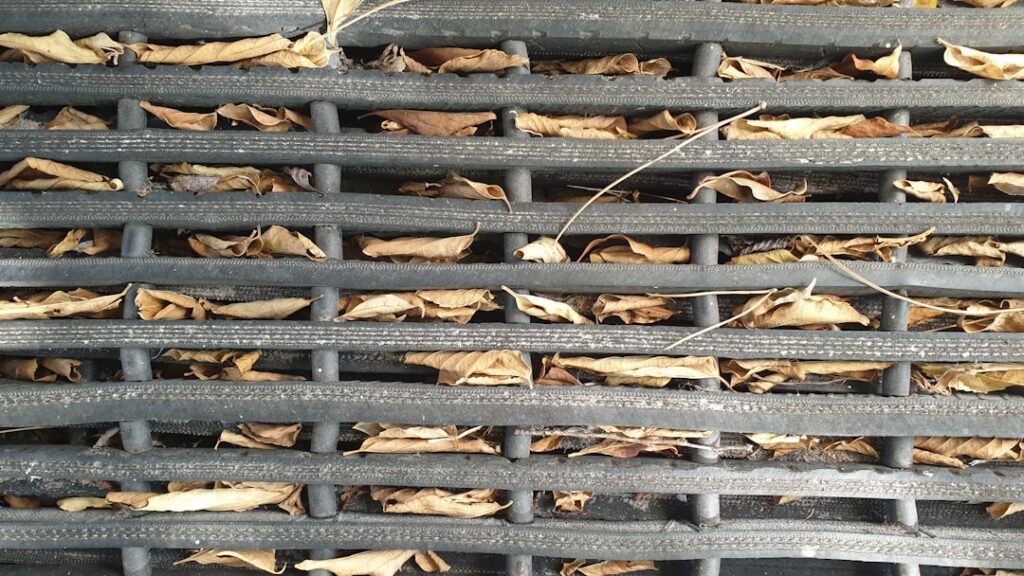
Cleaning gutters is one of the most disliked chores in homeownership—hauling a ladder around the house twice a year to scoop out wet leaves and sludge. That is why gutter guards exist, and the most budget-friendly option on the shelf is plastic. Plastic gutter guards promise to keep leaves out while letting water flow, all at a fraction of the price of metal systems. But are they worth it, and how do the different styles compare? This guide breaks down the types, costs, real-world performance, and installation tips so you can decide.
Part of our Roofing guide — explore the full guide →
- How Gutter Guards Work
- Types of Plastic Gutter Guards
- What Plastic Gutter Guards Cost
- The Advantages of Going Plastic
- The Real Drawbacks
- Plastic vs. Metal and Micro-Mesh
- Installation Tips for DIYers
- Maintenance Expectations
- How Long Plastic Gutter Guards Last
- Climate and Tree Considerations
- Common Mistakes to Avoid
How Gutter Guards Work
Every gutter guard does the same basic job: it covers the open top of the gutter so debris stays out while rainwater still drains in. Plastic and vinyl versions accomplish this with a grid, mesh, or slotted surface that water passes through and leaves ride over. The appeal of plastic is obvious—it’s inexpensive, lightweight, rust-proof, and easy enough for a homeowner to install in an afternoon.
Where plastic differs from metal is durability under sun and temperature swings, which we’ll cover in detail.
Types of Plastic Gutter Guards
- Screen guards: Rigid plastic panels with a grid of holes that snap or drop into the gutter. The cheapest and simplest option.
- Mesh guards: Finer plastic mesh that blocks smaller debris like seeds and pine needles while letting water through.
- Foam inserts: Triangular plastic foam wedges that sit inside the gutter; water soaks through the foam while leaves stay on top.
- Brush guards: Cylindrical bristle inserts (often plastic-based) that fill the gutter and catch debris on the bristles.
- Reverse-curve/surface-tension: Some vinyl versions mimic the pricier metal surface-tension design, guiding water around a curved lip.
What Plastic Gutter Guards Cost
Cost is the number-one reason people choose plastic. Snap-in plastic screen guards run about $1 to $2 per linear foot, and foam inserts are similar. A typical single-story home has around 150 to 200 linear feet of gutter, so a full DIY plastic installation often costs just $150 to $400 in materials.
Compare that to professionally installed metal or micro-mesh systems, which can run $5 to $30 per linear foot installed—often $1,000 to $6,000 for a whole house. The savings with plastic are dramatic, which makes them attractive for budget-conscious homeowners willing to do the work themselves.
The Advantages of Going Plastic
- Low cost: By far the cheapest guard option.
- Easy DIY installation: Most snap or drop in with no special tools; some require a few screws.
- No rust or corrosion: Plastic won’t oxidize like some metals.
- Lightweight: Won’t add stress or sag to older gutters or fascia.
- Widely available: Sold at every home center in standard sizes.
The Real Drawbacks
Plastic’s weaknesses show up over time, and honesty about them saves disappointment. Ultraviolet light from the sun is plastic’s enemy—cheaper guards become brittle after a few years, cracking and crumbling in intense sun or hard freeze-thaw cycles. Warping is another issue; heat can cause thin plastic to bow and pop out of the gutter.
Performance is also limited. Basic plastic screens with large holes let small debris—pine needles, seeds, shingle grit—pass through, and fine plastic mesh can clog on top over time. Foam inserts are notorious for growing weeds and mildew as organic matter breaks down inside them. In short, plastic guards reduce cleaning but rarely eliminate it, and they typically need replacement sooner than metal.
Plastic vs. Metal and Micro-Mesh
Aluminum and stainless micro-mesh guards cost far more but last much longer, handle heavy debris better, and resist UV degradation. Stainless micro-mesh in particular blocks even fine grit while surviving decades in the sun. If you have a lot of tall pine trees or plan to stay in the home for twenty years, the metal systems’ longevity may justify the price.
Plastic makes the most sense for homeowners on a tight budget, for rental properties, for climates with mild sun exposure, or as a temporary, easily replaced solution. It’s a trade of upfront savings against a shorter lifespan.
Installation Tips for DIYers
- Clean the gutters completely before installing anything—guards over debris just trap it.
- Measure your gutter width; most residential gutters are 5 or 6 inches, and guards come sized to match.
- For snap-in screens, tuck the back edge under the first row of shingles only if the manufacturer allows it—lifting shingles can void a roof warranty.
- Secure guards with the provided clips or a few stainless screws so wind and ice don’t dislodge them.
- Overlap sections slightly and cut with tin snips or a utility knife at corners and downspouts.
- Work on a stable ladder with a spotter, and never overreach.
Maintenance Expectations
Plastic guards reduce, but do not remove, the need to look after your gutters. Plan to brush debris off the top of mesh a couple of times a year, check after big storms, and inspect for cracked or warped panels each spring and fall. Foam inserts especially should be pulled out and rinsed periodically to prevent them from becoming a garden bed.
How Long Plastic Gutter Guards Last
Lifespan is where honest expectations save disappointment. Plastic and vinyl guards typically last anywhere from three to ten years depending on sun exposure, climate, and the quality of the product. In the harsh sun of Arizona or Texas, cheaper unstabilized plastic can turn brittle and start cracking in as little as three or four years. In milder, cloudier climates, a UV-stabilized product might hold up for close to a decade.
Compare that to aluminum screens or stainless micro-mesh, which routinely last twenty years or more, and the trade-off becomes clear: plastic saves money upfront but you’ll likely replace it once or twice over the same period. For homeowners who value the low initial cost, easy replacement, and DIY-friendliness, that’s an acceptable bargain. For those seeking a truly long-term, install-once solution, metal is the better investment despite the higher price. Choosing a guard explicitly labeled UV-stabilized or UV-resistant is the single best way to stretch a plastic product’s service life.
Climate and Tree Considerations
The right guard depends heavily on your surroundings, and plastic guards perform very differently under different conditions. Before buying, take stock of what actually lands in your gutters and how intense your local sun is.
- Broad deciduous leaves (maple, oak): Plastic screens handle these reasonably well since large leaves ride over the holes.
- Pine needles and small seeds: These slip through large-hole screens and clog fine mesh on top—plastic struggles here more than stainless micro-mesh.
- Heavy snow and ice regions: Freeze-thaw cycles crack brittle plastic and can cause ice dams; sturdier guards fare better.
- High-UV desert climates: Plastic degrades fastest here, so prioritize UV-stabilized products or reconsider metal.
- Shaded, damp lots: Watch for moss and mildew building on and under any guard.
Matching the guard to your specific debris load and climate is more important than the brand name on the package. A homeowner with a single maple tree and mild weather may be perfectly happy with inexpensive plastic screens for years, while someone surrounded by pines in a sun-baked yard will fight clogs and brittleness no matter how carefully they install them.
Common Mistakes to Avoid
The most common mistake is buying the cheapest large-hole screen and expecting it to stop everything—it won’t stop pine needles or grit. The second is installing guards over dirty gutters, which defeats the purpose. Third, forcing guard edges deep under shingles can damage the roof and void warranties. Fourth, ignoring UV ratings—look for guards specifically labeled UV-stabilized to slow brittleness. And finally, assuming any guard makes gutters maintenance-free; none truly do.
For the right homeowner—budget-focused, willing to do a little upkeep, and comfortable replacing them in several years—plastic gutter guards are a sensible, affordable way to cut down on messy gutter cleaning. Just go in with clear expectations, choose a UV-stabilized product, and install them over clean gutters for the best results.